
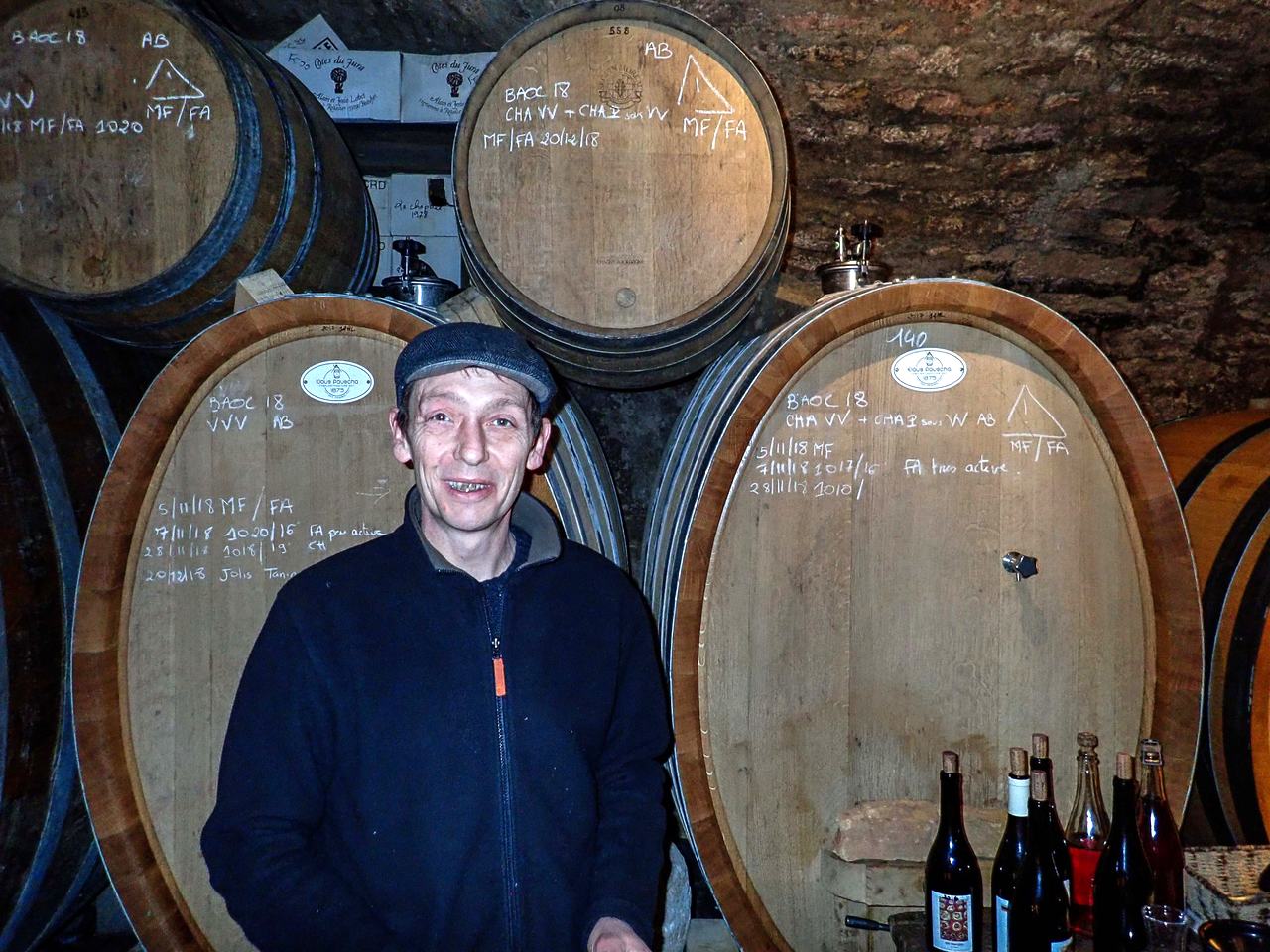
The quiet address the whole Jura now points to.
Rotalier is a hamlet in the Sud-Revermont, the southern, less visited end of the Jura, fifteen kilometres below Lons-le-Saunier. For thirty years almost nobody outside the region could have found it on a map. Then the Labets' neighbour Jean-François Ganevat became famous, and people started asking who else was up there on the same blue marl. The answer was the family that had been bottling single-parcel Chardonnay from these slopes since the 1970s, topped up and fresh when the rest of the Jura was still leaving its whites under a veil of yeast.
Alain Labet and his wife Josie began putting the wine in bottle under their own name in 1974, instead of selling the grapes on. By the end of that decade Alain was keeping his best plots apart and bottling them separately, which no one in the southern Jura was doing, and in the 1990s he started filling the barrels to the bung so that the terroir, and not the flor, would be what you tasted. Julien, the eldest of three, came home from Ramonet in Chassagne and Hamilton Russell in South Africa at the end of the nineties, took on a few hectares of his own, and pushed the whole thing toward organics, old Burgundy barrels and almost no sulfur. In 2012 the three children, Julien, Charline and Romain, took over, and the two estates became one.
Fourteen hectares, forty-five parcels, thirteen named lieux-dits, and a cellar that treats each one as a separate wine. The Chardonnays are the reason the Jura is now talked about alongside the Côte d'Or; the Savagnins, ouillé, under flor and, in the wine we bring in, on its skins, are the reason to keep going back. Among people who care about this region, Labet is one of the two or three names that settles an argument.
02 · AlainSingle parcels in the seventies, topped-up barrels in the nineties.
The Labets have farmed around Rotalier for generations, but the modern domaine dates from 1974, when Alain and Josie decided to bottle rather than sell to the négoce. Alain was a vigneron of the old kind, careful and a little stubborn. He never used fertiliser or insecticide, and sprayed against mildew only in the wettest years, so that when the estate was certified organic in 2013 almost nothing in the vineyard had to change.
Two of his decisions made the house what it is. From the late 1970s he vinified and bottled his best Chardonnay plots one by one, with the name of the lieu-dit on the label, at a time when the Jura blended everything. And in the 1990s he began topping up the barrels, the practice the region now calls ouillé, so that the wine stayed fresh and showed where it was from. Only a handful of growers were doing that then, Pierre Overnoy the most famous of them. Alain retired in 2012 but is still in the vines, and the Macvin is still made under his eye.
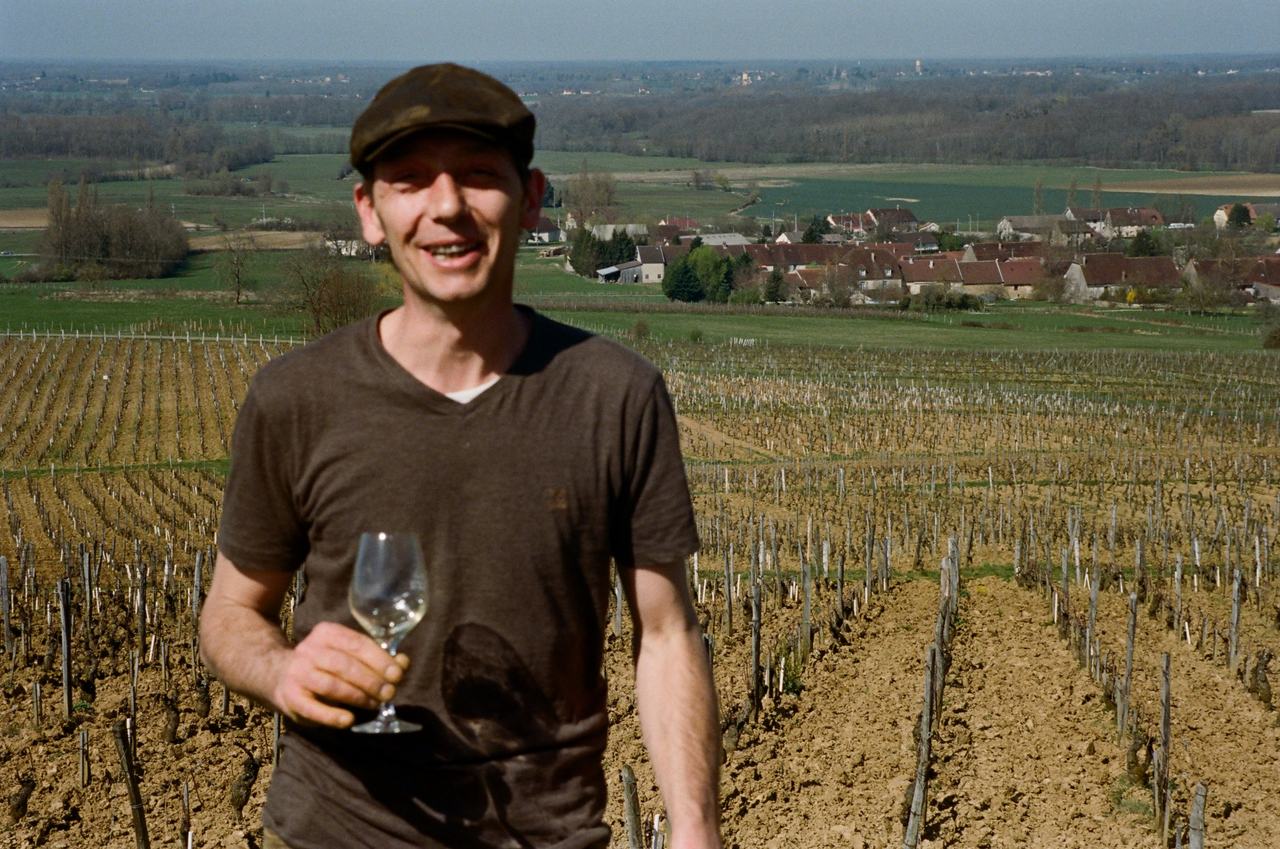
03 · Julien, Charline, RomainBurgundy, South Africa, and a few hectares of his own.
Julien trained away from home, at Domaine Ramonet in Chassagne-Montrachet and at Hamilton Russell in the Hemel-en-Aarde, and came back at the end of the 1990s with a Burgundian's instinct for the barrel. He replaced his father's foudres with second-hand 228-litre casks from the Côte d'Or, cut the sulfur, and in the early 2000s took on a few hectares of the family's oldest vines to make under his own name. Those bottlings, the Parcelles Rares and Les Vins de Julien, are where the reputation was built, and where the first sulfur-free trials ran in 2008.
Charline is an oenologist who worked in Chile before she came home; she makes the wines under flor, Vin Jaune included, and shares the cellar with Julien. Romain is mostly in the vineyard. The sister and both brothers have run the domaine together since 2012, with the same small team: Christian Boulanger, who has his own label with Nicolas Allante, has worked with the family for more than fifteen years.
One of the spearheads of the Jura revival.
La Revue du Vin de France, guide 2018
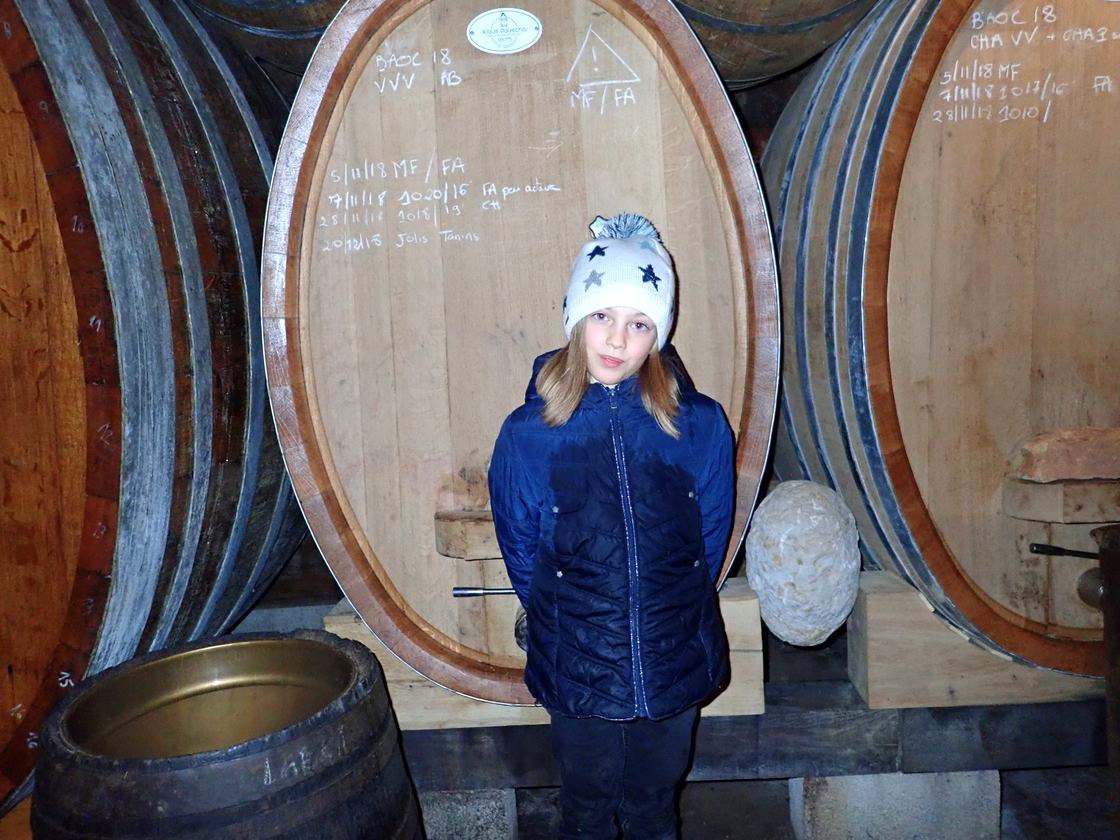
04 · The groundBlue marl and two limestones, parcel by parcel.
The vines sit between 250 and 320 metres on the slopes above Rotalier, Sud-Revermont, facing mostly south and west. Underneath is the sequence the whole Jura is built on: Triassic and Lias marl, the blue-grey clay of the region's great whites, over limestone of the middle Jurassic. The Labets print the geology of each parcel on the back label, and talk about it at the table before they talk about the wine.
En Chalasse is Lias blue marl, south-facing, three small plots planted in 1950, 1985 and 2006; the Chardonnay from it is the saline, chalky one, and there is a Savagnin from the same ground. Les Varrons is decalcified ochre clay over Bajocian limestone, mid-slope, with massal-selection Chardonnay planted in 1932 and 1940 and Pinot Noir from 1983; it makes the longest-lived white in the house. La Bardette is forty to sixty centimetres of clay over Bathonian limestone, Chardonnay planted in 1947. Champs Rouges is red clay over Bajocian limestone, west-facing, vines of about forty-five years. La Reine is a sixteen-are scrap of 1947 Chardonnay facing north, cropped at twenty hectolitres a hectare. En Billat, in the lieu-dit Le Pré du Bief, is Lias clay and schist, east-facing, planted to Poulsard in 1988. Sur Charrière, blue marl and clay over limestone bedrock, is where the macerated Savagnin comes from.
Farming is certified organic since 2013 with biodynamic preparations and herbal teas in the vines, copper and sulfur kept to a minimum, and everything picked by hand. New plantings are massal selections taken from the old vines.
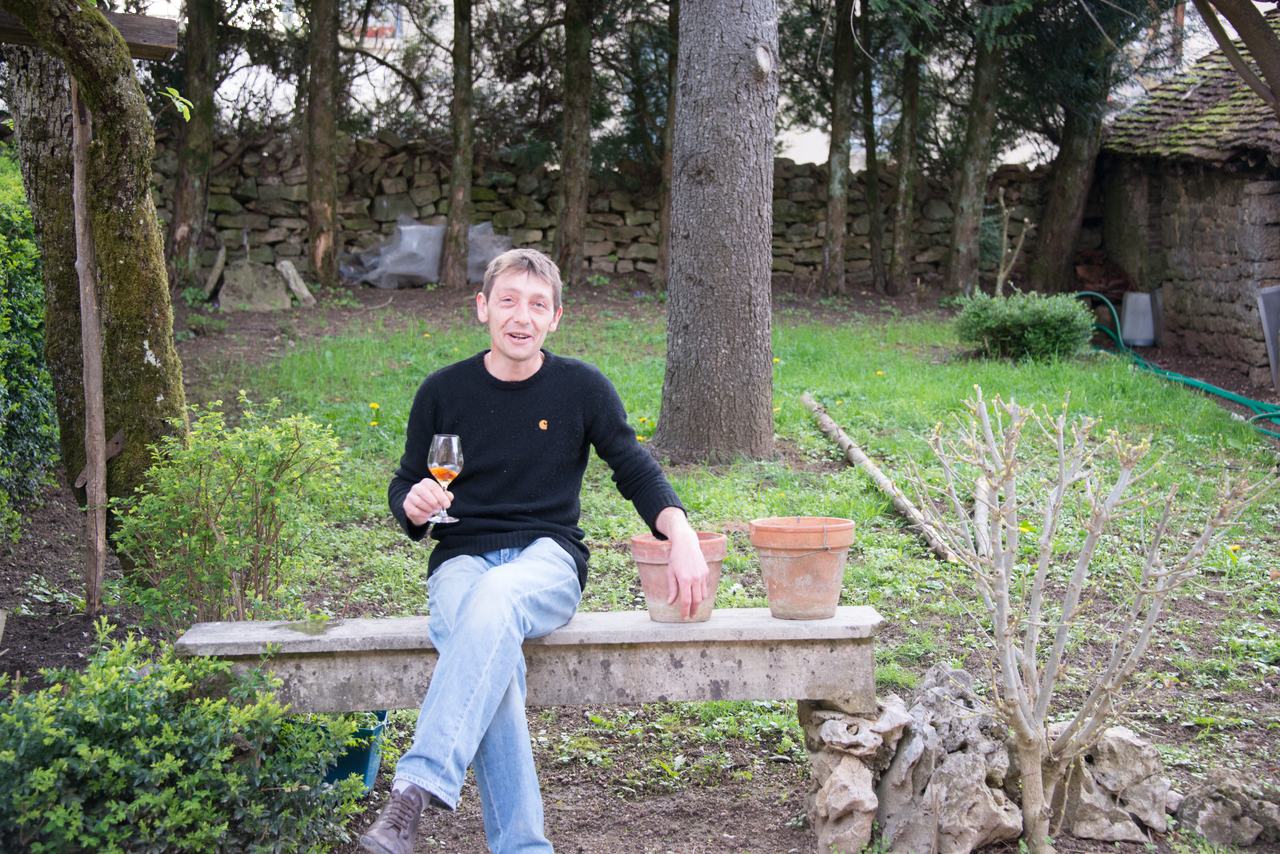
05 · The cellarOld barrels, long élevage, and sulfur you can count on one hand.
Every parcel ferments on its own yeasts. The whites go into old Burgundy barrels, demi-muids and a few foudres and stay there eighteen months and more; the 2015s went thirty-six. Topped-up wines are racked as little as possible. Nothing is fined, almost nothing is filtered, and sulfur is added rarely and in tiny doses, with the number printed on the back label: seven milligrams a litre total on an En Chalasse Chardonnay, twenty on the Savagnin from the same plot, none at all on the Poulsard. Since 2015 most of the range has had no sulfites added.
The Savagnin comes three ways. Ouillé, topped up, which Alain first made in 2000 and which Julien raises in a mix of demi-muid, barrel and concrete egg. Under flor, Charline's department, which runs from the Cuvée du Hasard up to a Vin Jaune that spends more than seventy-five months under the veil. And on its skins: the Savagnin Macération, from Sur Charrière and La Bardette, a long maceration of the whole grapes before ageing in neutral wood. It is deep gold going on amber, quince and dried apricot and orange peel, with a fine grip of tannin and a faint oxidative edge at the finish, and at a little over thirteen degrees it is the wine from this cellar I would put in front of someone who thinks they don't like orange wine.
The reds are featherlight on purpose. Pinot Noir from Les Varrons spends seven months in old barrels; the Poulsard from En Billat is destemmed but not crushed and goes into old foudres with no sulfur at any stage; Métis is a field blend of Pinot, Gamay, Enfariné and the old local varieties, nine months in barrel. There is a Crémant, Les Turbulents, and when the year allows it a straw wine. The 2011 Paille Perdue, a third each of Chardonnay, Savagnin and Poulsard dried on straw and pressed in February, missed the appellation on a technicality and was sold as Vin de France. Nobody minded.
In the vineyard
& cellar.
- Holding
- Fourteen hectares in forty-five parcels across thirteen lieux-dits around Rotalier, Sud-Revermont; vines at 250–320 m, mostly south and west
- Since
- Bottling under the family name since 1974 (Alain and Josie Labet); single-parcel Chardonnays from the late 1970s; Julien, Charline and Romain since 2012
- Grapes
- Chardonnay, Savagnin, Poulsard, Pinot Noir, Trousseau, Gamay, Enfariné and other old varieties
- Farming
- Certified organic (2013); biodynamic preparations; massal selections; hand harvest
- Whites
- Native yeasts; old Burgundy barrels, demi-muids and foudres; 18 months and more; ouillé unless stated; unfined, mostly unfiltered
- Sous voile
- Cuvée du Hasard; Vin Jaune 75 months and more under flor; Macvin under Alain's supervision
- Macération
- Savagnin on its skins from Sur Charrière and La Bardette; long maceration; neutral wood
- Sulfur
- Rare and tiny, printed on the back label; none on the Poulsard; most cuvées without added sulfites since 2015