
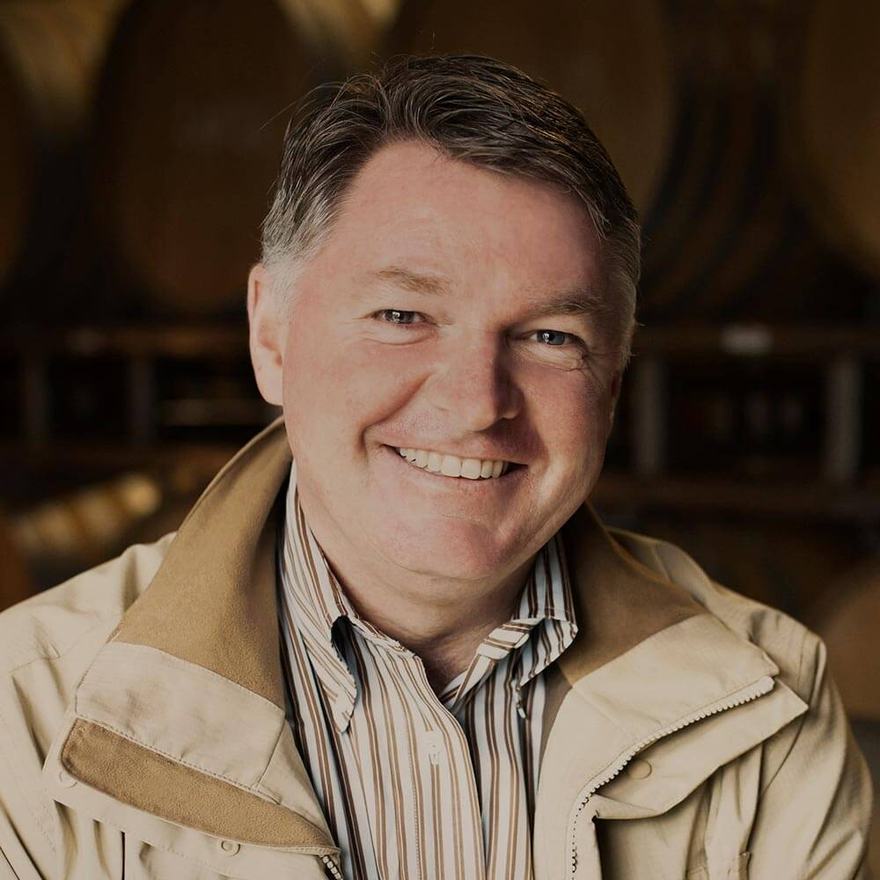
Nine generations in the same valley, and the vines to show for it.
In 1781 Josef Ontiveros rode north from Mexico into Alta California with the Rivera Expedition, and stayed. James Ontiveros is the ninth generation of the family in California, and he farms the Santa Maria Valley, the same valley his ancestors ranched in the 1850s. That gives the wines a story few in California can match, but the reason to drink them is the farming.
James planted his first Pinot Noir in 1997, at twenty-three, on windswept sand at 764 feet on the south side of the valley, on ground most people had written off. Native9 has come from those vines since 2003. In 2012 he leased Rancho Viñedo, own-rooted Chardonnay planted in 1973 on a piece of the old Rancho Tepusquet land grant his ancestors bought in 1855. The wines are made by Justin Willett of Tyler, who has worked with James since the 2016 vintage; Paul Wilkins made Native9 with him before that.
The Santa Maria Valley runs east to west, so the Pacific fog pushes straight in every morning, and the grapes grow in that cold maritime air with natural acidity and a stony edge. Native9 is the reason people make long-term decisions about a cellar: these are wines that age, from one specific address. I carry several vintages because opening them side by side is one of the more instructive afternoons you can have.
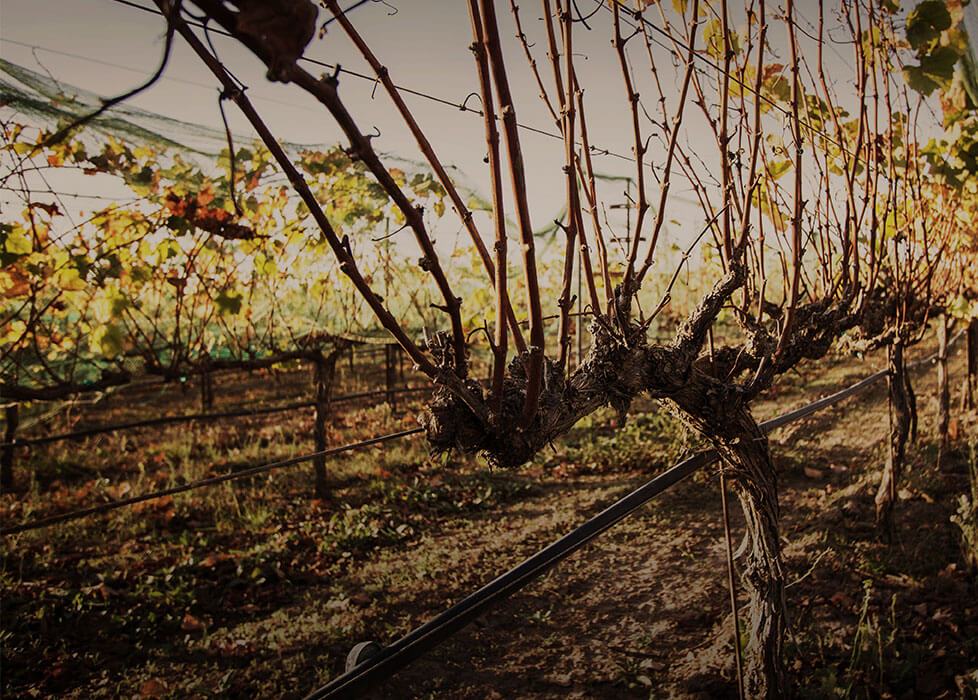
02 · Rancho TepusquetA land grant sold off, then brought back by the row.
In 1837 Josef’s grandson Juan Pacifico Ontiveros received the Rancho San Juan Cajón de Santa Ana, 35,971 acres in what is now Orange County. The same year Tomás Olivera, his future father-in-law, was granted the 8,901-acre Rancho Tepusquet in the Santa Maria Valley. In 1855, in search of water, Juan Pacifico and his wife Doña Martina sold the Orange County ranch and bought Tepusquet. The next year they built the Ontiveros Adobe, which still stands, and they lived there for the rest of their lives.
Juan Pacifico died in 1877 at eighty-one. By the time Doña Martina died in 1898, at eighty-nine, the rancho had been split into eleven lots among the family, and over the generations it was sold off piece by piece. In 1975 James’s parents, Mark and Louise, built a home on a small cattle ranch overlooking the old grant, though not part of it, on land others had dismissed because of old oil workings.
Today the old grant is covered in vineyards that supply some of the best-known wines of the Central Coast. Leasing Rancho Viñedo, on its western edge, brought one corner of it back to the family. The Chardonnay from it is called Doña Martina. James dedicated the 2012 Native9 to his grandfather Alex, the seventh generation, a local historian, dancer and teller of tales, whose last word to him was “grapes.”
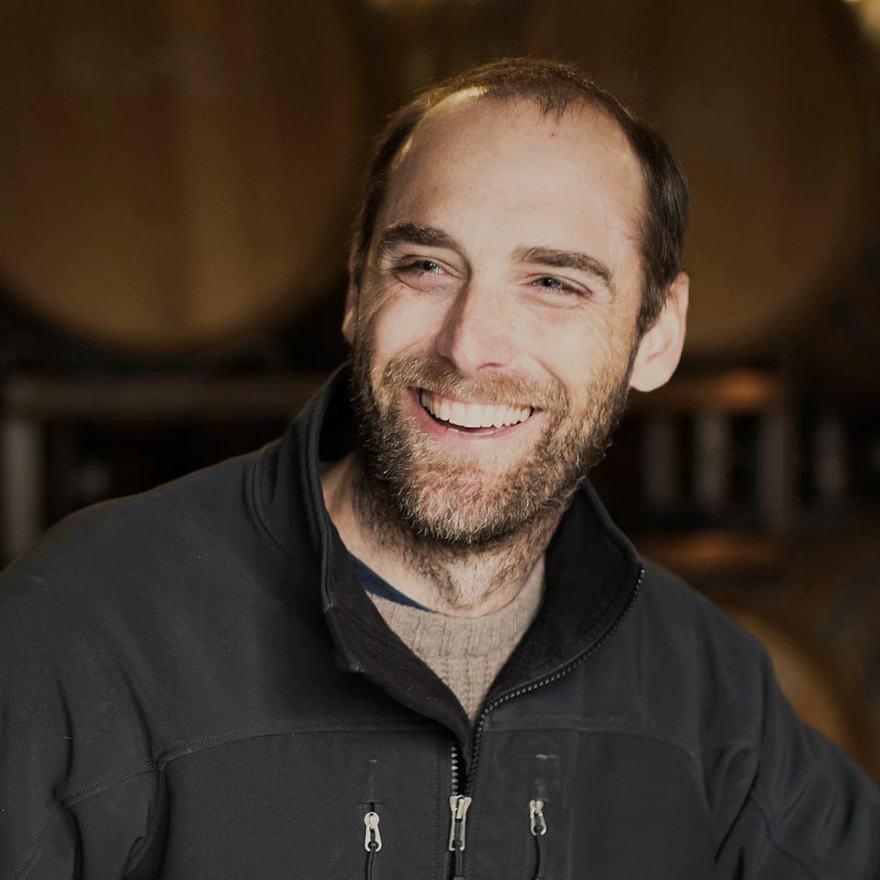
03 · Garey sandPinot Noir planted where nobody wanted it.
Rancho Ontiveros vineyard sits at the southern side of the valley, above 700 feet, on Garey sandy loam: high, windswept and short of nutrients. James planted it while still a student at Cal Poly, five acres in 1997, one acre each of Pommard 4, Wädenswil 2A and Dijon 113, 114 and 115, at the time a risky choice. At Cal Poly he was known as the one who came to class filthy from the vineyard.
In 2000 he moved to Healdsburg to manage vineyards in the Russian River Valley and on the Sonoma Coast, and drove six hours home at weekends to look after his own vines. That year he planted three more acres: French selection 1A, the Swan clone and Benedict, a cutting from the original Sanford & Benedict planting. Native9 comes from those two blocks, eight acres in all of the 153-acre ranch. The fruit was good enough that Loring and A.P. Vin made single-vineyard wines from it.
James calls the vines’ struggle in that thin, inhospitable soil “the poetic weirdness of life”: the hardship shows up as character in the glass. The vines are farmed organically, irrigated as little as possible and picked by hand.
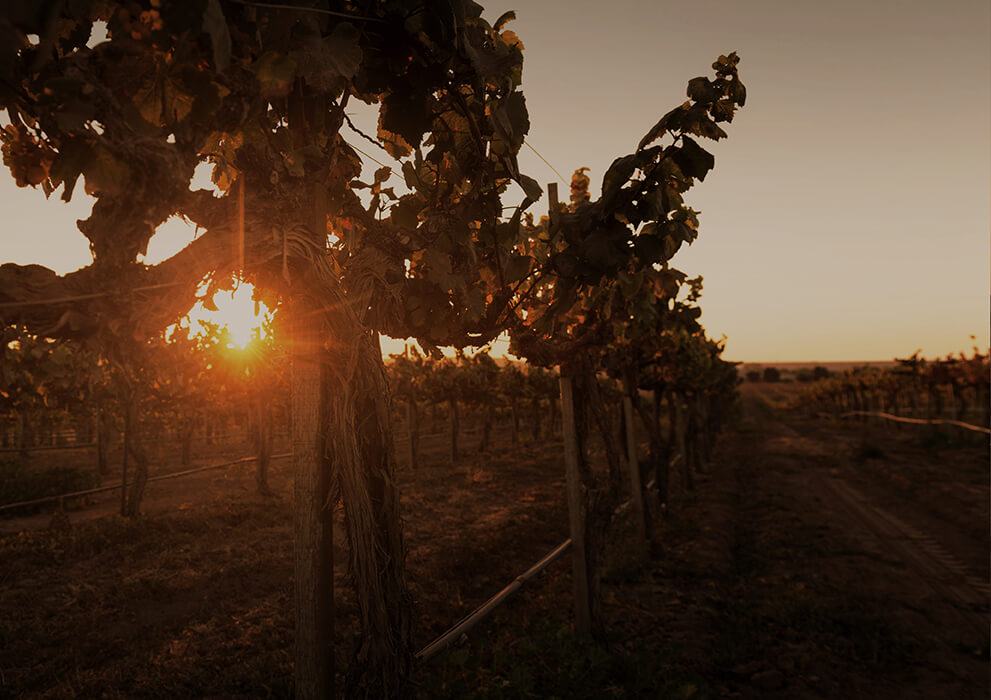
04 · Rancho ViñedoOwn-rooted 1973 Chardonnay on the family’s old grant.
The Robert N. Woods family planted Rancho Viñedo in 1973, about nine years after the Neilsons put in the first commercial vineyard in the Santa Maria Valley. They farmed it until 2012, when James took the lease, working it with Robin Woods. The vines are on their own roots, with no rootstock: Wente clone 72 Chardonnay and Martini Pinot Noir. The vineyard was 27 acres; in 2014 it was cut back to 12.75.
It lies four miles from Rancho Ontiveros, at 430 feet, but on very different ground: Pleasanton sandy loam over river-washed cobble, soils millions of years older. The north block of Chardonnay is head-trained and cane-pruned, the old way; the south block is on cordon. Rows run east to west on a gentle, slightly west-facing roll.
The Chardonnay is picked by hand from low yields, fermented mostly in stainless steel with some French oak, a fifth of it new, and left on its gross lees until bottling, unfined and unfiltered. The first vintage was 2014, released in 2016. The Cabernet Sauvignon in the range, Cañada de los Pinos, is the exception: it comes from Riata Oaks in the Santa Ynez Valley.
05 · Burgundy, whole clustersLearned in Beaune, made in Santa Maria.
In 2001 James met Mounir Saouma of Lucien Le Moine in Beaune, who was excited by the Santa Maria Valley. “This is the right place,” he told James, and pushed him to go to Burgundy. James went in 2003, the first of many trips, tasting in cellars and walking vineyards, and learning the biodynamic practices of Dujac, Lucien Le Moine, Leflaive and the Domaine de la Romanée-Conti. He brought those lessons home.
Native9 is built on whole-cluster fermentation, stems and all, and each clone is fermented and aged separately before blending. The 2012 was entirely whole cluster; it spent twenty-one months in French oak, a fifth of it new, and came in at 13.5 per cent. Paul Wilkins made it with James from the first vintage; since 2016 Justin Willett, who has spent his whole career in Santa Barbara County, picks earlier than most so that nothing has to be added in the cellar. Both men share James’s taste for restrained Pinot and Chardonnay.
James Laube of Wine Spectator, who rarely reviewed wines made in under five hundred cases, made an exception in 2006 for the 2004 Native9, all ninety-nine cases of it. That is still the best argument for these wines: tiny production, a farmer who knows every vine, and the patience to let the bottles age. The run of vintages in our book, 2012, 2013, 2014, 2016 and 2017, is a rare chance to taste what that patience gives.
This wine is outstanding, it comes from a well-regarded vineyard and there’s a story behind it.
James Laube, Wine Spectator, on the 2004 Native9
In the vineyard
& cellar.
- Location
- Santa Maria Valley, Santa Barbara County
- Vineyards
- Rancho Ontiveros, 764 ft, Garey sandy loam, Pinot Noir planted 1997 and 2000 (8 clones) · Rancho Viñedo, 430 ft, Pleasanton loam over cobble, own-rooted 1973, leased since 2012
- Family
- In California since 1781 · James Ontiveros, ninth generation, farmer and proprietor
- Winemakers
- Paul Wilkins (Native9 from 2003) · Justin Willett (from 2016)
- Farming
- Organic, minimal irrigation, hand-harvested
- Cellar
- Native9: whole clusters, each clone fermented and aged apart · Chardonnay on gross lees, unfined and unfiltered