
Biodynamic from the first day, on an old dairy farm by the Applegate River.
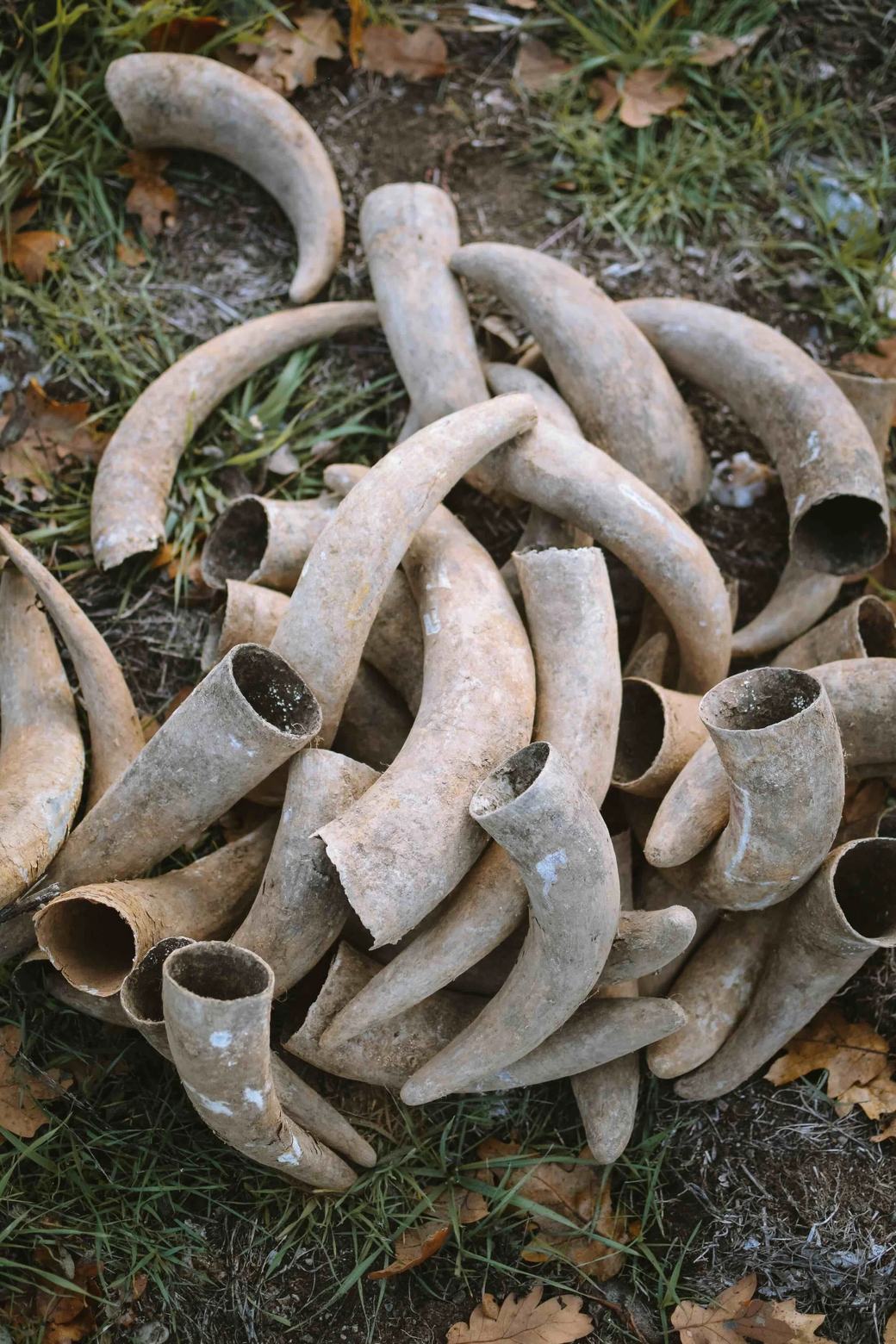
Cowhorn takes its name from the most notorious ritual in biodynamic farming: cow manure packed into a cow’s horn and buried over the winter. It was a fair warning of how seriously Bill and Barbara Steele meant to farm. They bought an old dairy farm on the Upper Applegate River in southern Oregon, near Jacksonville and a few miles from the California line, and planned it as a biodynamic polyculture before a single vine went in. Cowhorn was among the first five wineries in the United States to be certified biodynamic, and the first in southern Oregon certified by Demeter.
It is a hundred and seventeen acres, of which only about twenty-five are vines. The rest is lavender, asparagus, gardens, and hazelnut trees inoculated with Périgord black truffle. The tasting room was the first in the world certified under the Living Building Challenge, which asks a building to make more energy and water than it uses. The grapes are Rhône grapes: Syrah, Grenache, Viognier, Marsanne and Roussanne.
Southern Oregon is warmer than the Willamette and nobody expects this from it. That is rather the point. Spiral, the white blend, is the best argument I know for those three grapes outside the Rhône, and the Syrah, raised in old barrels with no new oak at all, has the cool, peppery line of a good northern Rhône. Since 2021 the farm has belonged to Mini Byers, and Vince Vidrine makes the wine.
02 · The SteelesTwo people from finance, no farming experience, and two years of looking.
Bill and Barbara Steele came to wine from finance. The writer Joe Roberts, who visited in 2018, described them as ‘former CFO/CFA financial types’, and before Oregon they had been living what they called ‘a homeopathic lifestyle in Marin County’. They had never grown a grape. They spent two years looking for the right ground and broke it in 2002, with the biodynamic consultant Alan York advising from the start. The estate counts 2005, when the vines went in, as its founding year. The farm they bought had been isolated for so long that, Bill said, six distinct strains of native yeast were found on it.
Bill made the wines himself. He even made his own sulphites. The early releases, under a spiral logo that nods to the vortex in which biodynamic preparations are stirred, found their way onto restaurant lists far from Oregon. Cowhorn’s own site quotes The New York Times calling it ‘a biodynamic cult favorite among chefs from San Francisco to New York’.
When they sold in 2021, almost twenty years after buying the land, Bill put it plainly: ‘When we learned about Biodynamic farming, we knew we had to bring it to Southern Oregon.’
03 · The ApplegateRhône grapes in a cool pocket of a warm valley.
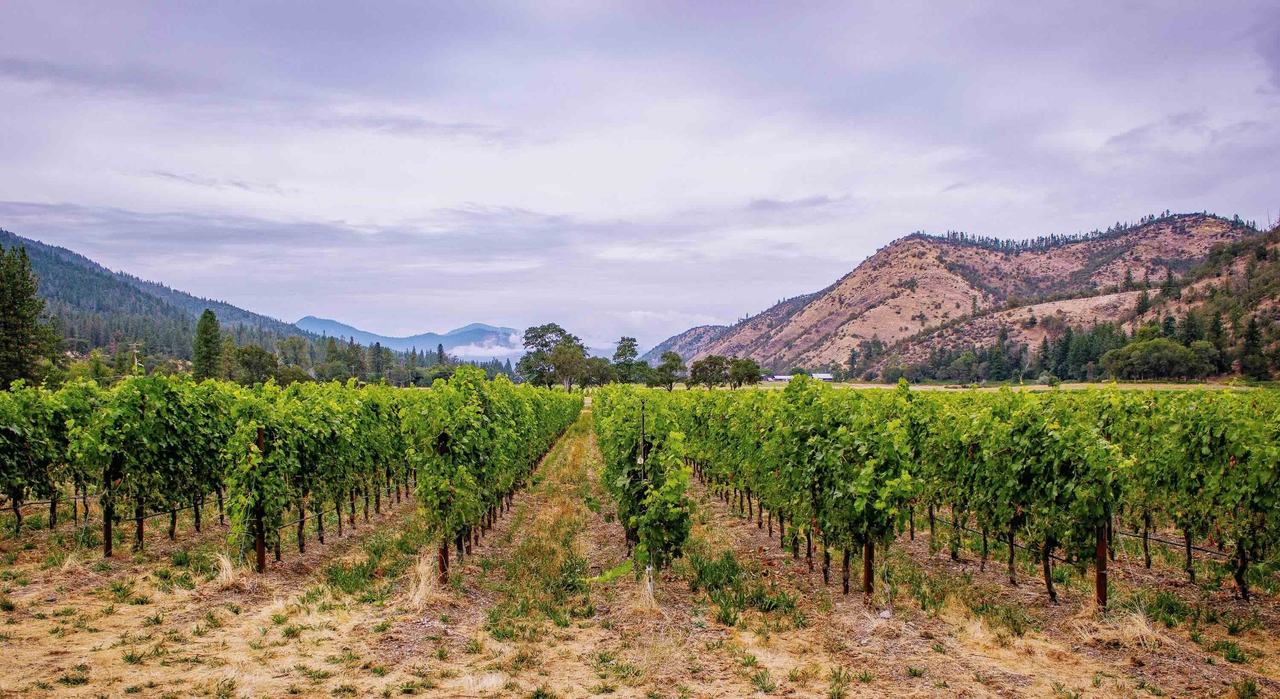
The Applegate Valley is a small appellation inside the larger Rogue Valley, in the Klamath Mountains southwest of Medford. It is sunny, dry and warm by Oregon standards. Cowhorn’s corner of it is not the warmest: cold air drains off the surrounding hills at night, and Roberts reported that ripening, not heat, is the farm’s main worry. Warm days and cold nights are exactly what Syrah and Viognier want, and they keep the acidity in the grapes without help.
The soils are mixed, as river country usually is: volcanic basalt and granite, with alluvial deposits and clay loam laid down by the Applegate. They drain well but hold enough water for dry summers. The vines were planted from 2005, so the oldest are now about twenty years old.
The writer Trevor Hagstrom, touring the valley for The Alcohol Professor, called Cowhorn ‘the most renowned producer in the Valley’ and found in its Sentience Syrah ‘a lithe syrah reminiscent of Rhône’s St. Joseph with a clean mountain purity’. That is the style in a sentence: medium weight, peppered, more northern Rhône than Barossa.
04 · Horn, moon and old oakBiodynamics carried into the cellar.
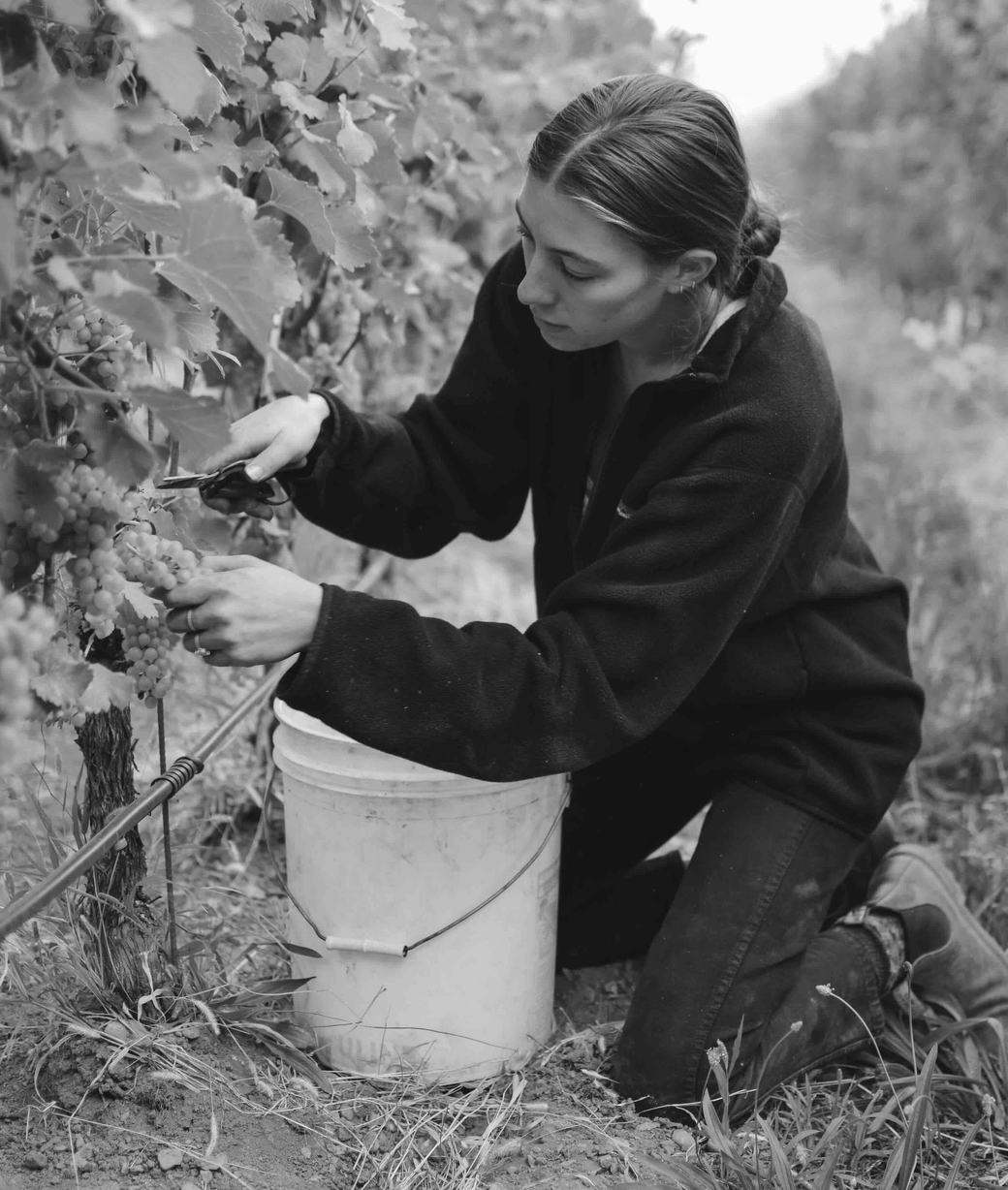
In the vineyard the biodynamic calendar governs the work. The horn-manure preparation, 500, is buried in winter and sprayed thin on the soil to wake its microbes; horn silica, 501, goes on the leaves in summer. Yarrow, chamomile, nettle and dandelion go into the compost. Planting, pruning and picking are timed to the moon, cover crops grow between the rows, and the animals and gardens are part of the same farm.
Plenty of estates farm this way and then make wine by the textbook. Cowhorn carries it into the cellar: fermentations on the farm’s own yeasts, few additives, and racking and bottling timed to the same calendar. The Syrah spends about eighteen months in neutral French barrels of 228 litres, the Burgundy size, with no new oak at all, so what you taste is fruit and pepper and the farm.
Spiral is Viognier, Marsanne and Roussanne, in the 2024 about half Viognier, a third Marsanne and a fifth Roussanne. Each grape is fermented on its own in neutral oak, then the wine rests four months on its lees before bottling. It is peachy and floral from the Viognier, with the weight and the faint almond of Marsanne and the length of Roussanne, and it finishes dry. The GSM is the farm’s Rhône-style red blend, the easy-going member of the family.
05 · Mini Byers and Vince VidrineNew hands on the same farm.
In 2021 the Steeles sold to an investor group led by Mini Byers (then Katherine ‘Mini’ Banks), who did her first winery apprenticeship at eighteen in South Africa and then spent years in fashion and media marketing before coming back to wine. She kept the Demeter certification and has committed to taking the biodynamic farming further. Cowhorn is now one of three sister properties, with Johan Vineyards in the Willamette and Tu Tu’Tun Lodge on the Rogue River.
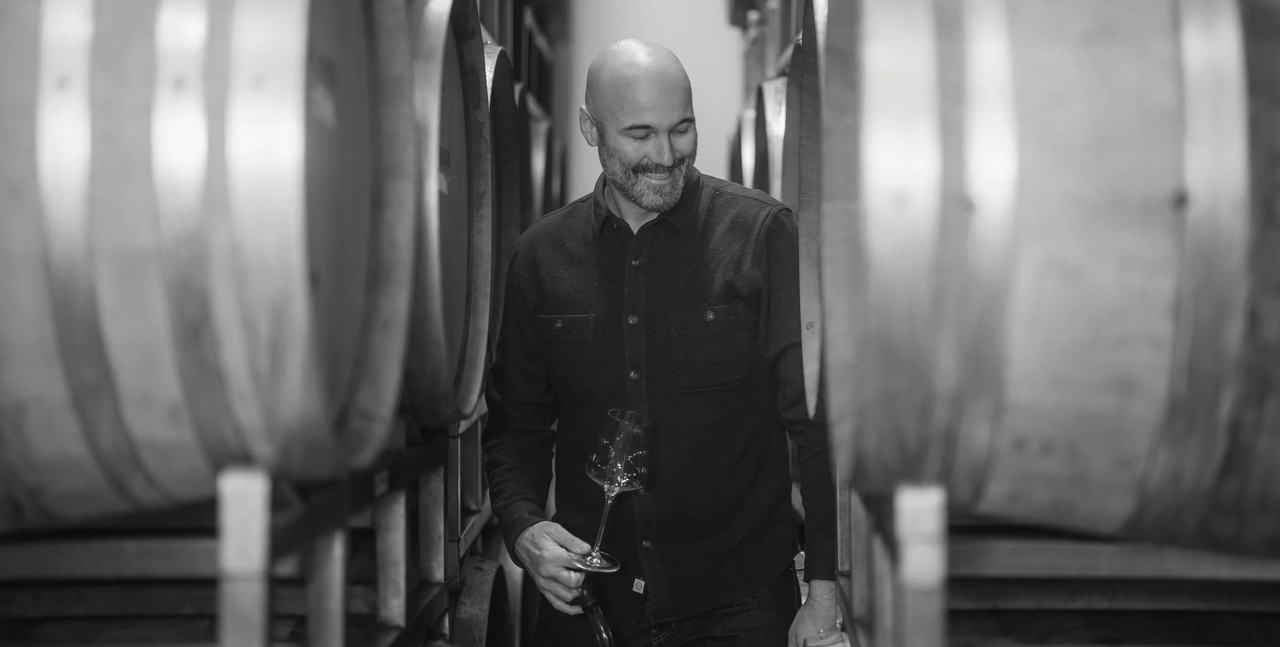
Vince Vidrine is a Tacoma native who started out home-brewing beer at Oregon State. He worked harvests in New Zealand, Napa and France in a single year, spent five years with the Willamette Pinot grower Robert Brittan, became winemaker at Domaine Serene, and then made the wines at Irvine & Roberts in Ashland. In 2021 he took a job back north. He did not stay. As he told the Ashland News, ‘I met a woman.’ He came back to the Rogue Valley, married her, and found the Cowhorn cellar open.
For a Pinot Noir specialist, Rhône grapes were a new language, and he said at the time that he was excited by it. His approach is the farm’s: native yeasts, neutral wood, and as little intervention as the vintage allows. Joe Roberts’s verdict on the wines, written before Vidrine arrived, still fits: ‘well-crafted and yet still characterful; not overly polished’.
It’s the people behind it that makes this kind of viticulture possible for the Applegate Valley.
Barbara Steele, to Joe Roberts (1WineDude)
In the vineyard
& cellar.
- Holding
- 117-acre farm on the Upper Applegate River near Jacksonville, about 25 acres of vines; lavender, asparagus, gardens and truffle-inoculated hazelnuts
- Since
- Land bought 2002; vines and winery from 2005
- Grapes
- Syrah, Grenache, Viognier, Marsanne, Roussanne
- Ground
- Volcanic basalt and granite mixed with alluvial deposits and clay loam
- Farming
- Demeter-certified biodynamic; among the first five certified biodynamic wineries in the United States
- Cellar
- Native yeasts. Syrah about 18 months in neutral 228-litre barrels, no new oak. Spiral fermented by variety in neutral French oak, four months on the lees
- People
- Mini Byers, owner and steward since 2021; Vince Vidrine, head winemaker. Sister estates Johan Vineyards and Tu Tu’Tun Lodge