
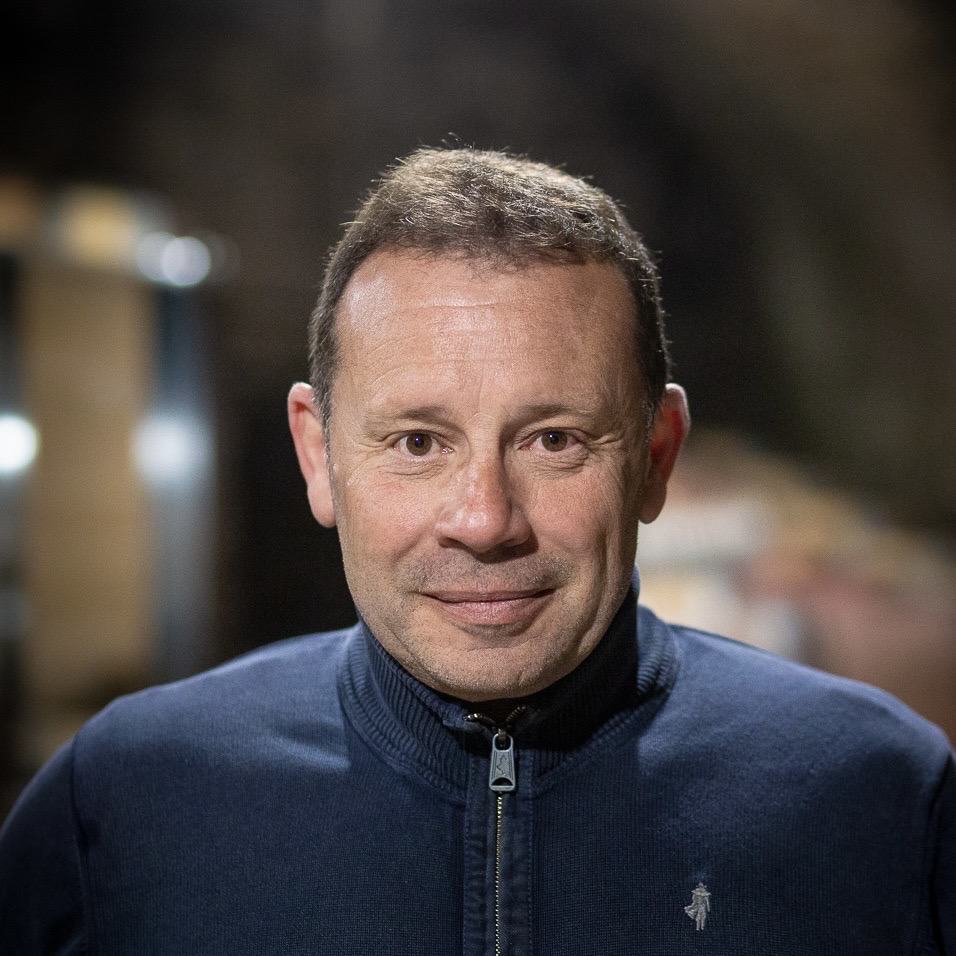
A thing you do alone, in a region where everyone is watching.
Sixth generation, and the first person in the entire Côte Chalonnaise to get biodynamic certification. That is a thing you do alone, in a region where everyone is watching, with no one to ask for advice. He farms about five hectares by himself. Three red 1ers Crus: La Chassière, Clos du Paradis, Clos de Montaigu. He picks early and refuses to extract, so the wines are supple and lifted where Mercurey often wants to be chunky, and they age with a grace nobody expects from the appellation. He does not have a website. He has a Facebook page and about a hundred people who understand exactly what he is doing.
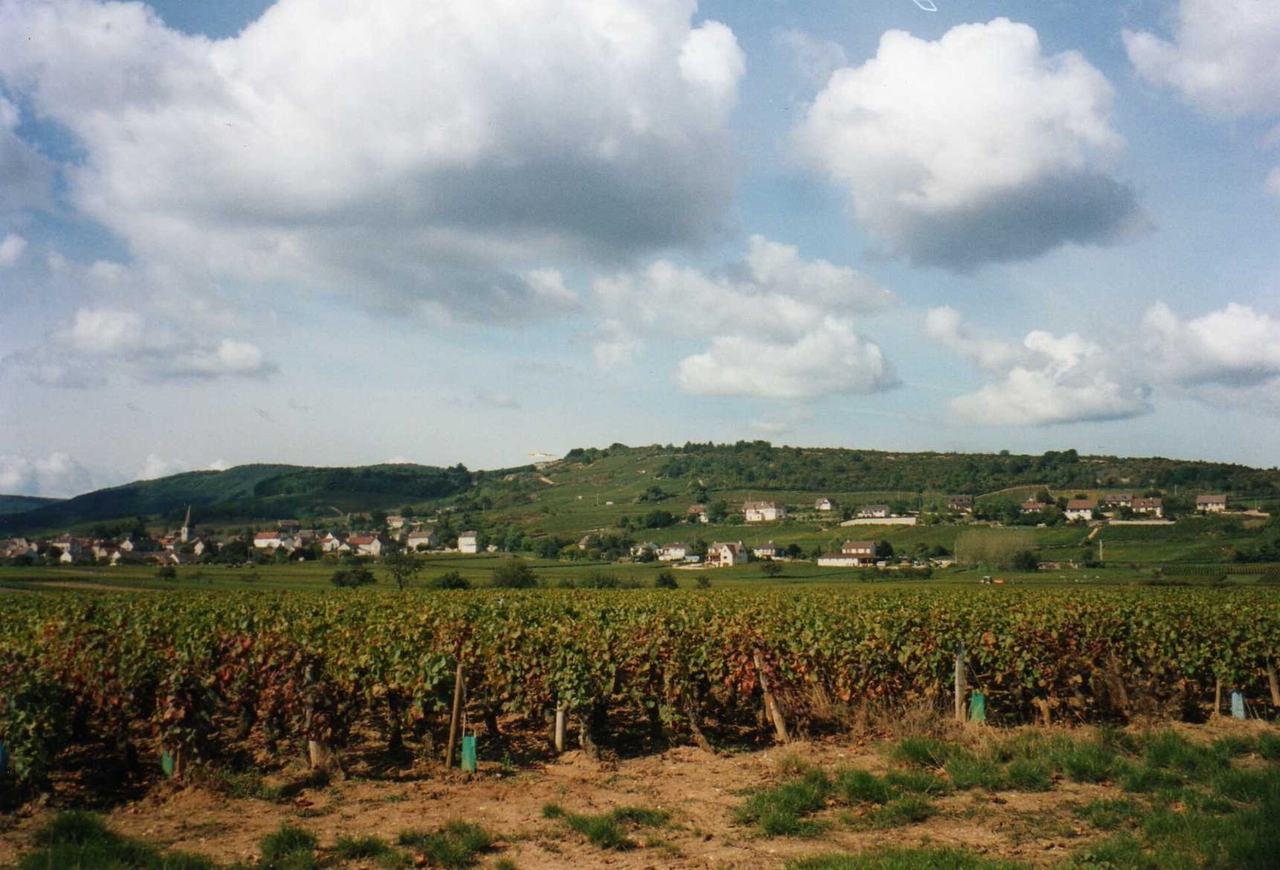
02 · Labourers, then owners“Phew! This is too complicated. It’s not for me.”
The first Garreys at Saint-Martin-sous-Montaigu were vineyard hands, tending vines for a rich family, who bought their own rows over time and made a domaine of them; Philippe counts himself the sixth or seventh generation. His grandfather and his cousin Hubert’s grandfather were brothers who worked together and then divided, five or six hectares each, and his father divided again with a sister, which is how a family that farms twenty hectares on one side of the village farms five on the other. Philippe worked beside his father from 2002 and took over in 2005 when he retired. “It’s a small domaine. Most of the time I do all the work myself.”
The conversion was his alone. He stopped herbicides in 2002, tasted biodynamic wines (Trapet’s in Gevrey among them) and tried to read Nicolas Joly: “At first I understood absolutely nothing. All I felt was: Phew! This is too complicated. It’s not for me.” He found a teacher instead, Jacques Mell, the Champagne-based consultant who came three or four times in 2007 and twice in 2008, began the preparations in 2005, had the whole domaine converted by 2007 and the Demeter certificate in 2011, the first in the Côte Chalonnaise. He will not grow: “Maybe half a hectare or so, not more. Because if I did, then I would have to employ people.” He speaks careful English, follows Arsenal, and has no wish to be famous.
It requires a lot of time and effort to master biodynamic farming. And I really feel this is where I belong.
Philippe Garrey
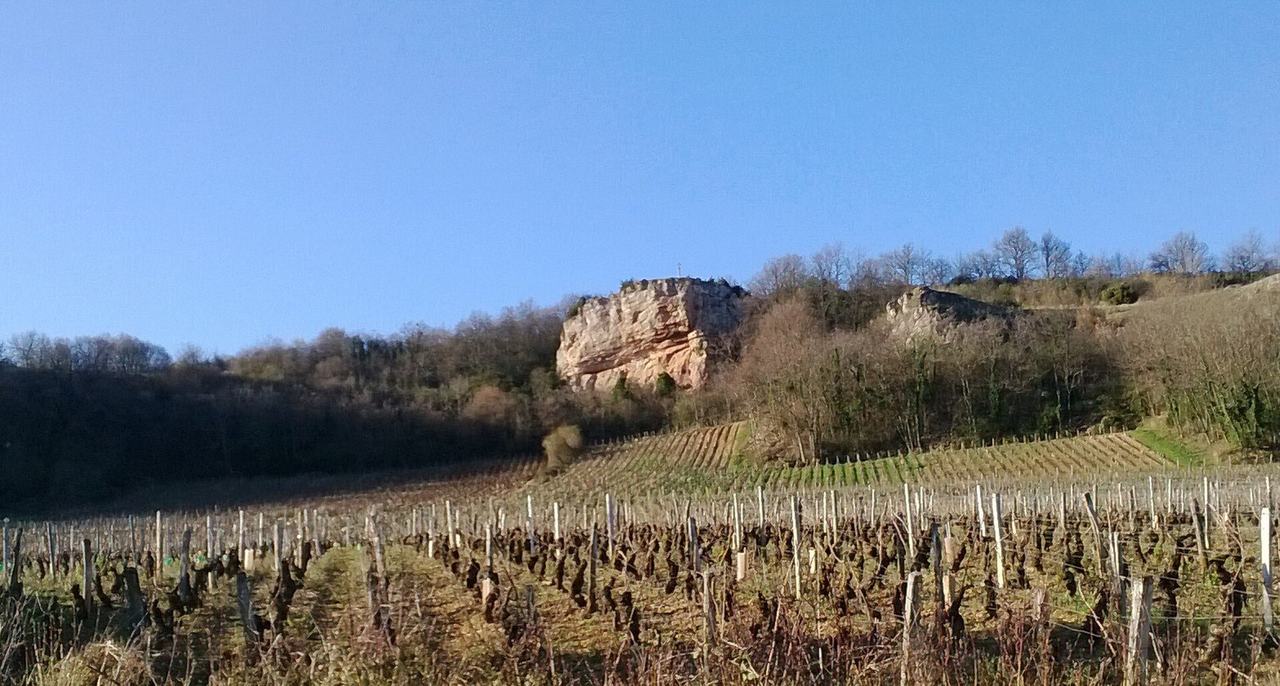
03 · On your right as you enter the villageSand in La Chassière, deep clay at the bottom of Montaigu.
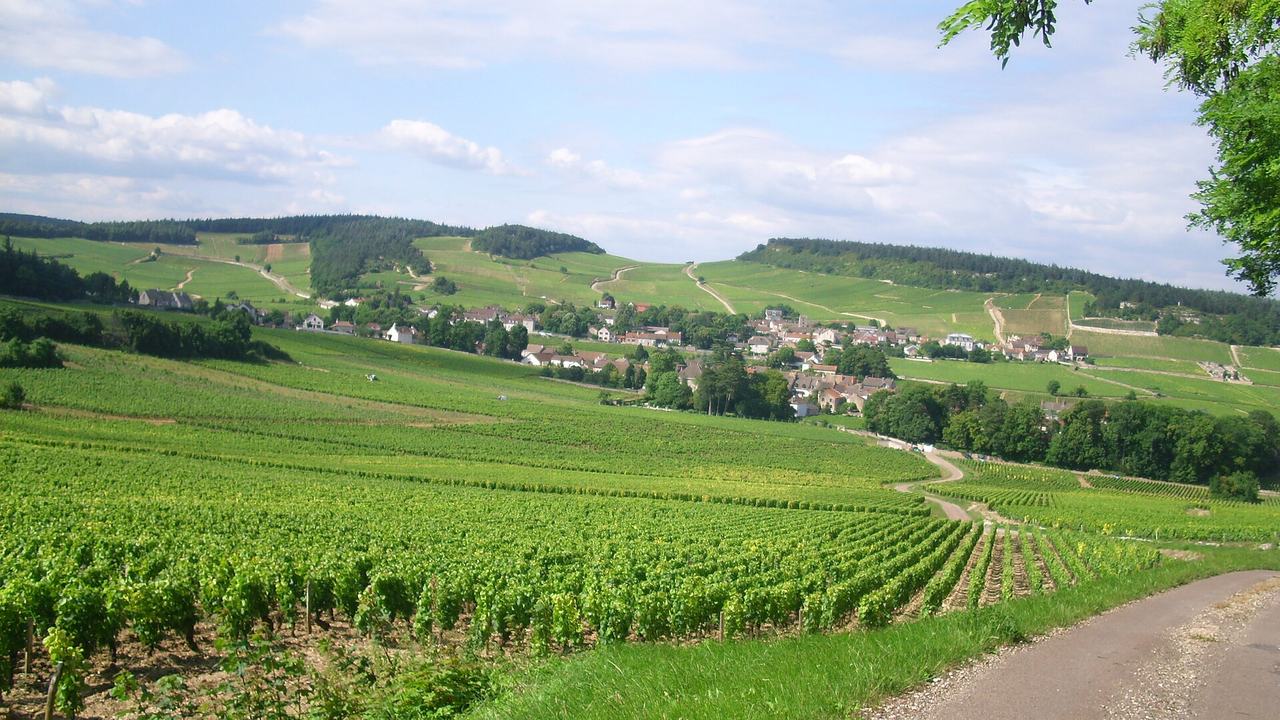
Mercurey’s thirty-two premiers crus run along the foot of the slope from La Mission and the Clos du Roy toward Saint-Martin, and the last of them are Garrey’s: “all three are on your right side as you enter Saint-Martin-sous-Montaigu coming from Mercurey.” La Chassière is the family’s oldest holding, a hectare that “has been in the family for a long time” on clay-limestone with a sandy marl that holds the warmth: “the sand helps maintain a higher temperature. This produces a rounder, more concentrated wine. It is early-ripening and always produces very good results.” Three plantings, the oldest sixty years. The Clos du Paradis is just behind the house, lighter soil, a lighter wine, sixty-year vines on marl. The Clos de Montaigu (the cadastre says Clos des Montaigus) is higher, an east-facing plateau at 280 metres where his rows sit at the bottom “where the soil is deeper with more clay. There is always a bit of wind there, which keeps the grapes healthy,” planted 1959, the coolest and slowest of the three. The village Mercurey comes from two old parcels, one planted 1938; the white, La Chagnée, is forty ares of Chardonnay on a steep due-south slope beside the Paradis; the Bourgogne, Clos des Boilles, is a hectare at the foot of the hill by the house; and a few ares of Aligoté in Les Clous make a Bouzeron.
04 · Whole bunches and ceramicBalance before power; early picking; no forced extraction.
Biodynamics on every vine since 2007, worked by one man. The reds are hand-picked, fermented on native yeasts with a high share of whole bunches (eighty to a hundred per cent on the old-vine Mercurey, around three-quarters on La Chassière, half on the Montaigu, a fifth on the Bourgogne, varying with the year) and macerated three weeks with nothing forced out of them: “he is not looking for power or extraction; for him, balance is crucial, often picking early, favouring freshness over too much concentration.” Twelve months in barrel, a tenth to a fifth new and lightly toasted, then three months in steel. “For the old vines cuvée I use eighty to a hundred per cent whole bunches. This shows on the nose of the wine. At first you have a touch of medicinal plants, like eucalyptus. With a bit of air you get more of red fruits.” The whites (the Aligoté and the Chagnée) are pressed whole-cluster and raised in 250-litre ceramic vessels, a year, then a few months in tank. Nothing else is published about the cellar, because he is in the vineyard.
For the old vines cuvée I use eighty to a hundred per cent whole bunches. This shows on the nose of the wine.
Philippe Garrey
05 · What they say“Best growers: Château de Chamirey; Philippe Garrey; Michel Juillot.”
Clive Coates MW, in Decanter’s guide to the Côte Chalonnaise, named three best growers in Mercurey: Château de Chamirey, Philippe Garrey, Michel Juillot. Bill Nanson, tasting the 2015s blind: La Chassière “faintly oaked, with a depth of red fruit — a fruit that becomes ever more beautiful — what clarity! This is excellent”; the Montaigu “certainly an individual… very red fruit, particular in style. But very long too. Try it, you might like it!” Julia Harding MW on the 2021 Chassière, 16/20: “fragrant but not sweet-smelling. Dark-fruited restraint… the tannins well judged. Refined, subtle.” Tamlyn Currin on the 2023s: “I love the compact clarity and limpidity of these Garrey wines,” and of the Clos du Paradis, “even the tannins are juicy. Really alive and iridescent.” Jancis Robinson on the 2024 Chassière: “gorgeously aromatic with dark-red fruit. Refined.” The Guide Hachette has starred the house since 2003.
The hundred people who understand what he is doing now include three Masters of Wine and the Decanter panel. He will still not employ anyone.
I love the compact clarity and limpidity of these Garrey wines.
Tamlyn Currin, JancisRobinson.com
In the vineyard
& cellar.
- Holding
- About five hectares at Saint-Martin-sous-Montaigu, worked alone: 1ers crus La Chassière (1 ha), Clos du Paradis, Clos de Montaigu; village Mercurey rouge (old vines, one parcel 1938) and blanc La Chagnée (0.4 ha); Bourgogne Clos des Boilles (1.1 ha); Bouzeron Les Clous
- Since
- Six generations at Saint-Martin; Philippe beside his father from 2002, alone from 2005
- Farming
- Herbicide stopped 2002; biodynamic preparations from 2005, whole domaine from 2007; Demeter certified 2011, the first in the Côte Chalonnaise; hand harvest, picked early for balance
- Reds
- Indigenous yeasts; whole bunches 20–100% by cuvée and year; about three weeks’ maceration without forced extraction; twelve months in barrel, 10–20% new, lightly toasted; three months in steel
- Whites
- Pressed whole-cluster; raised in 250-litre ceramic vessels, a year, then tank