
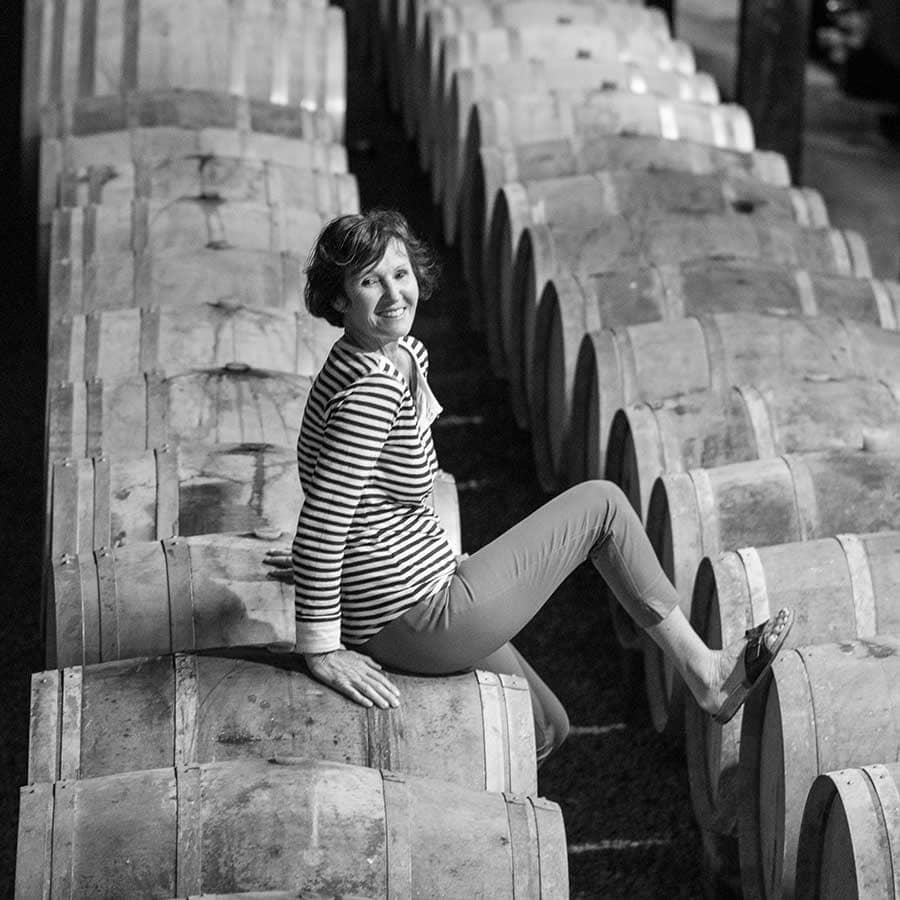
Sometimes the pioneer’s reward is simply that everyone else follows.
In 1973 Roger Piquet bought a seventeenth-century estate in the Minervois and did something nobody there had done: planted Syrah and Mourvèdre, when the region grew what the co-op told it to. It looked like folly. It became the template. The estate now runs to a hundred hectares at La Livinière, and it is run by his daughters Chantale and Annick, with their daughters Mélanie, Mathilde and Morgane coming up behind them: a house of women, still making some of the most honestly priced wine in the south of France. Sometimes the pioneer's reward is simply that everyone else follows and nobody remembers.
02 · The grocer’s grandsonA train from the Seine to La Livinière in the 1870s, Chantovent, and a cru built from scratch.
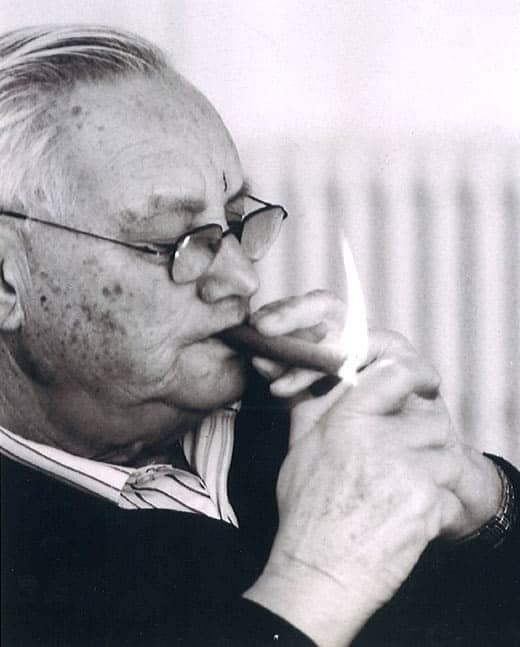
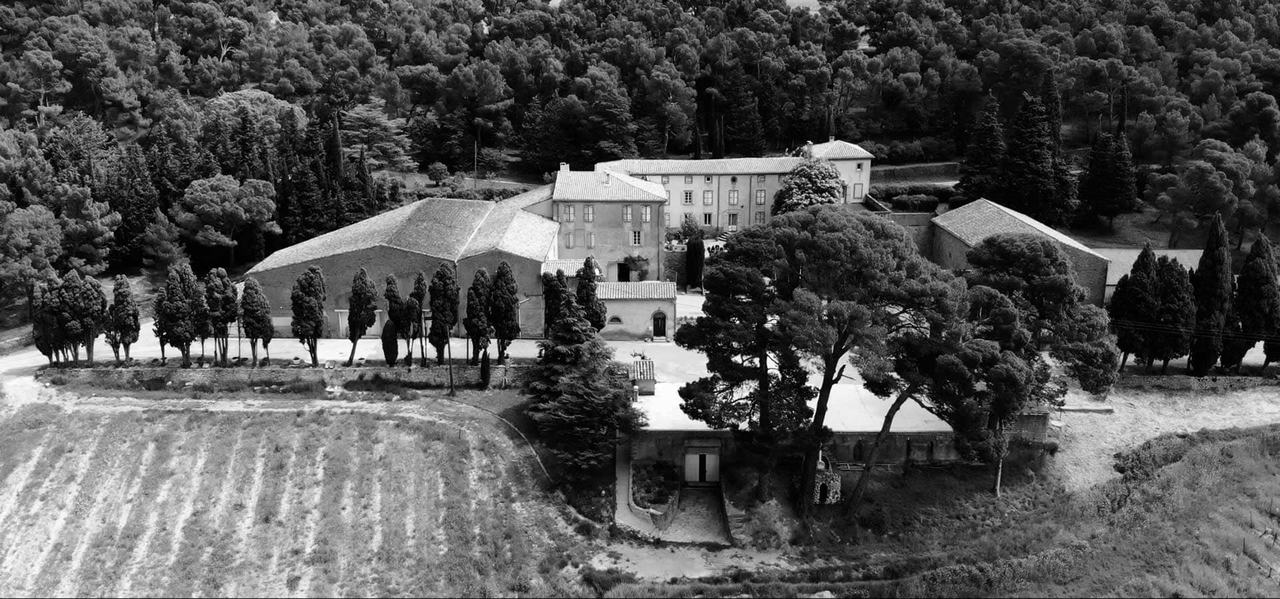
The family’s road to La Livinière is a century older than the château. In the 1870s Ernest Piquet, a grocer and wine merchant at Bonnières-sur-Seine on the Normandy border, took the train south to La Livinière to find generous wines for his customers. He handed the business to his son Marcel in 1919; Marcel’s son Roger was born in the family grocery in 1925, joined his father after the war, and in 1953 founded Chantovent, which became the leading house in vins de pays and brought a generation of Midi wine to Paris. In 1973, under Roger, the company bought the Château de Gourgazaud (on the maps since the seventeenth century, rebuilt in its present form in 1833, sixty-seven hectares of Aramon and Carignan in a pine wood on the first slopes of the Montagne Noire), and when he retired from Chantovent in 1985 he made it his own.
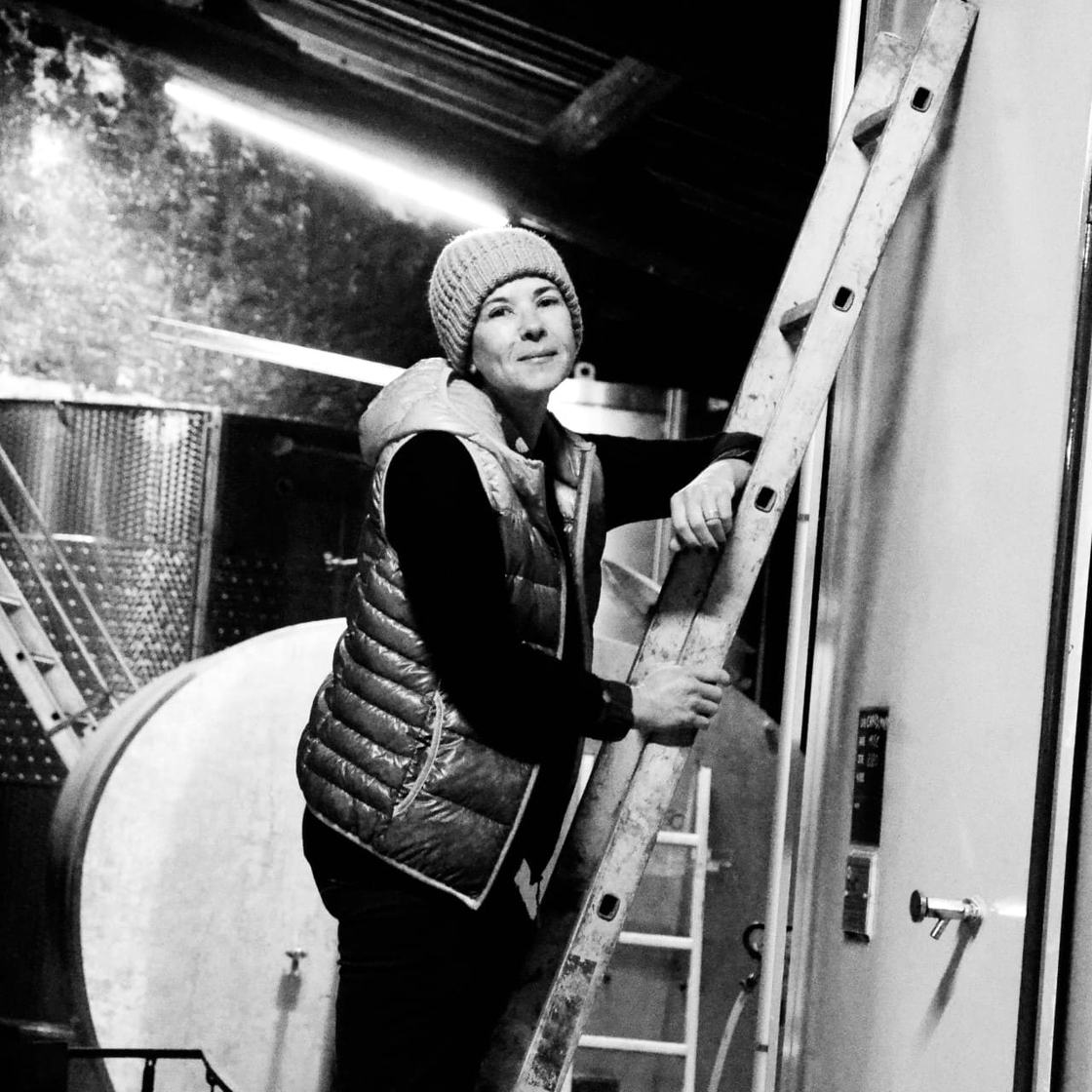
What he did with it is the essay above. Against the fashion of the time he planted the first Syrah in 1974, then Mourvèdre and Viognier, and in ten years replaced every vine and grew the estate to a hundred hectares; the family remembers him as “visionary, pioneer and head of the clan,” who made the château “an experimental estate and the symbol of the region’s reawakening.” From 1987 he worked with a handful of neighbours and the INAO on the rules for a village cru, and in February 1999 the decree came through: Minervois La Livinière, the first cru of the Languedoc, 350 hectares across six villages. In January 2005 Roger bowed out, at seventy-nine, and left the vines to his daughters: Chantale Piquet, who had been beside him, and her sister Annick Tiburce, who came home to join her. Under them the top of the range was built: Quintus, named for a grandson, Pater Familias, La Vigne de ma Mère, the Grenache Gris. Now the granddaughters, Mélanie, Mathilde and Morgane, each with a cuvée bearing her name, are taking the estate on, the fifth generation since the grocer caught the train.
Tout a commencé par un matin de vendanges à suivre les gestes de mon grand-père passionné, un peu magicien aussi.
Mathilde, on the back label of her cuvée
03 · The Petit CausseA south-facing amphitheatre under the Montagne Noire, the Tramontane and the Marin.
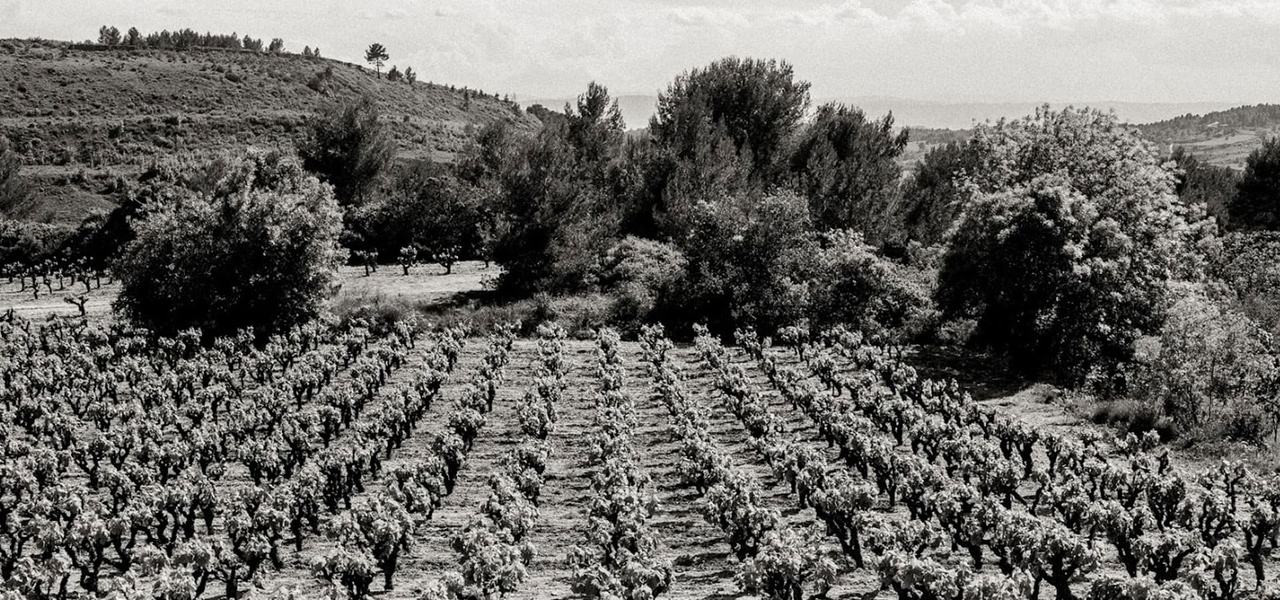
The Minervois is a vast amphitheatre facing south toward the Pyrenees, and Gourgazaud sits on its northern rim at the foot of the Montagne Noire, thirty kilometres from Carcassonne, in the warm, early zone the locals call the Petit Causse. Two winds rule it, the Tramontane from the north and the Marin from the sea, and the family says it remains a crew of sailors who must steer in both. A hundred hectares of vines: old decalcified terraces and slopes of sandstone and sand for the Syrah-led reds; Miocene clay-limestone on the upper part of the property, the ten hectares classified La Livinière, for Mélanie, Quintus and Pater Familias; Miocene limestone and alluvium for the whites. A parcel called Monte Cristo carries forty-year Viognier; L’Estang, Grenache Gris planted in the 1950s; and La Vigne de ma Mère is a little walled vineyard of black schist in a valley at 300 metres near Félines, where a few hundred bottles of Viognier are made a year.
Syrah leads, with Mourvèdre, Grenache noir and gris, Carignan, a little Cabernet and Marselan; Viognier and Chardonnay in white. Gobelet, cordon and Guyot by parcel; short pruning, green harvest, small yields (fifteen hectolitres for the top wines, forty-five for the house reds). The pruning crew, the family likes to say, walks four hundred kilometres between November and March and makes 2,280,000 cuts.
04 · Whole berries, twenty daysHVE at the top level and organic farming, berry-tasting before the pick, and Tronçais oak only where it belongs.
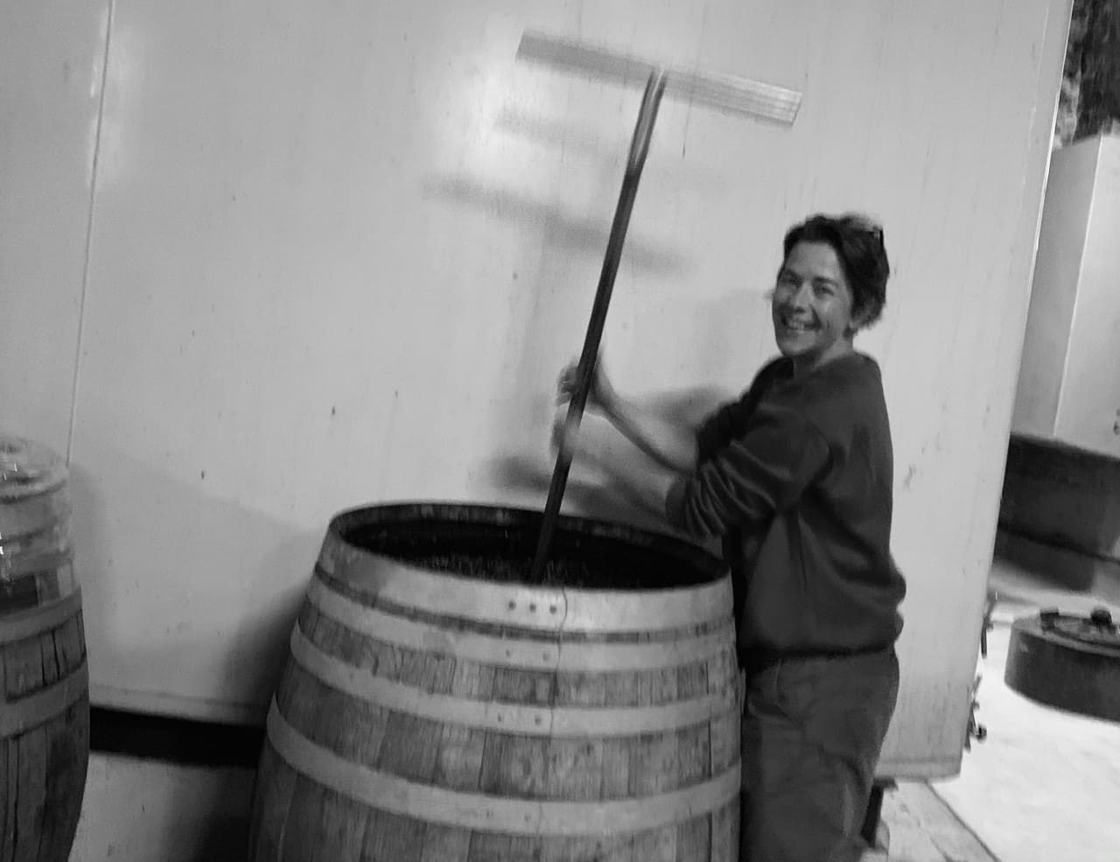
The estate is certified Haute Valeur Environnementale at the top level and farms, in its own words, with care for the landscape and the biodiversity of its pine wood; the vineyards are farmed organically, and the organic certificate came through in 2026. Each parcel is picked when the berries say so (the family tastes for skin, sugar, degree and seed ripeness), and the reds are fermented on whole berries for at least twenty days at twenty-five degrees, with gentle extraction in the presence of oxygen and blending after fermentation. The house reds, Morgane and Mathilde, see no wood at all and are aged in tank and then bottle; the La Livinière wines go to Tronçais barrels for a year. Quintus takes only the free-run from uncrushed berries after a short maceration in wooden vats and is made only in exceptional years; Pater Familias is Grenache and Mourvèdre picked by hand and fermented in open 400-litre barrels with two punch-downs a day. The Chardonnay is given six hours on its skins and fermented cool in steel, unoaked, which is why it tastes of the south and not of a barrel.
La vigne est l’œuvre des hommes et des femmes qui, sans leur travail passionné, deviendrait une liane.
Château de Gourgazaud
05 · What they say“Bastion du cru.”
The Guide Hachette has followed the house since the first vintages of the cru. On the 1998 Réserve: “bastion of the cru, the château, leaning on its terroir, delivers a deep, full-bodied, concentrated wine. Well raised, its liquorice tannins are silky.” Two stars for the 2018 Cuvée Mélanie: “warm scents of overripe fruit, roasting, hearth and caramel… a powerful, voluptuous palate. The Mediterranean in a bottle.” A star for the 2014 Mathilde (“its charming curves draw the outline of a vin plaisir, refined, gourmand, of fine bearing and yet tender”) and for the 2016: “a juicy fruit of wild strawberries… a simplicity of good alloy.” On the Chardonnay: “raised in tank, a well-named Chardonnay, resolutely of the South.” The Québec trade, which has bought here for thirty years, says it more plainly (“an excellent price-quality ratio,” “a very good deal,” “savoury and balanced”), and Rosemary George MW, who first visited in 1979, credited the Viognier with avoiding “the confected, cloying” southern style.
De la Méditerranée en bouteille.
Guide Hachette des Vins, on the 2018 Cuvée Mélanie
In the vineyard
& cellar.
- Holding
- About a hundred hectares at the hamlet of Gourgazaud, La Livinière, on the first slopes of the Montagne Noire; ten hectares classified Minervois La Livinière on Miocene clay-limestone; the rest on old sandstone and sand terraces and limestone alluvium
- Since
- Piquet family merchants at Bonnières-sur-Seine since the 1870s; Château de Gourgazaud acquired in 1973 under Roger Piquet, founder of Chantovent and co-founder of the La Livinière cru (1999); his daughters Chantale Piquet and Annick Tiburce from 2005; granddaughters Mélanie, Mathilde and Morgane now
- Grapes
- Syrah (first planted 1974), Mourvèdre, Grenache noir and gris, Carignan, Cabernet, Marselan; Viognier, Chardonnay
- Farming
- HVE level 3; short pruning, green harvest; 15–45 hl/ha by cuvée; top cuvées hand-picked into 10-kilo crates
- Reds
- Whole berries, 20+ days at 25 °C, gentle oxygenated extraction, blended after fermentation; Morgane and Mathilde in tank, no oak; La Livinière cuvées a year in Tronçais oak
- Whites
- Chardonnay: 6 hours’ skin contact, light press, 20-day cool fermentation, raised in steel
- Honours
- Guide Hachette two stars, Cuvée Mélanie 2018; stars for Réserve 1998, Mathilde 2014 and 2016, Quintus 2015