
Chalk, lemon peel, and a line straight down the middle.
Three and a half hectares. All of it Oger, all of it Grand Cru, all of it Chardonnay, and now a fifth generation walking into the cellar. Nineteen parcels, forty-year-old vines, pressed whole-bunch in a four-thousand-kilo Coquard, a wooden press worked slowly, the way the region did it before efficiency arrived. There is no oak and no malolactic: steel, then time, then a hand at the disgorging line. Bottled unfined and unfiltered, which is another way of saying nothing was removed to make it easier for you. What’s left is Oger with nothing in front of it: chalk, lemon peel, and a line straight down the middle of your palate that doesn’t waver.
02 · NicolasFourth generation, 1997 to 2026.
The Demières have grown grapes in Oger for four generations; the estate took its present shape in 1970, and in 1981 the family left the co-operative and began to make and bottle its own wine as récoltant-manipulant, the two words that matter most in Champagne. Jean-Pierre Demière ran it with his wife, née Ansiot, whose name sits beside his on the label. When Jean-Pierre died in 1997, Nicolas took over at twenty-seven.
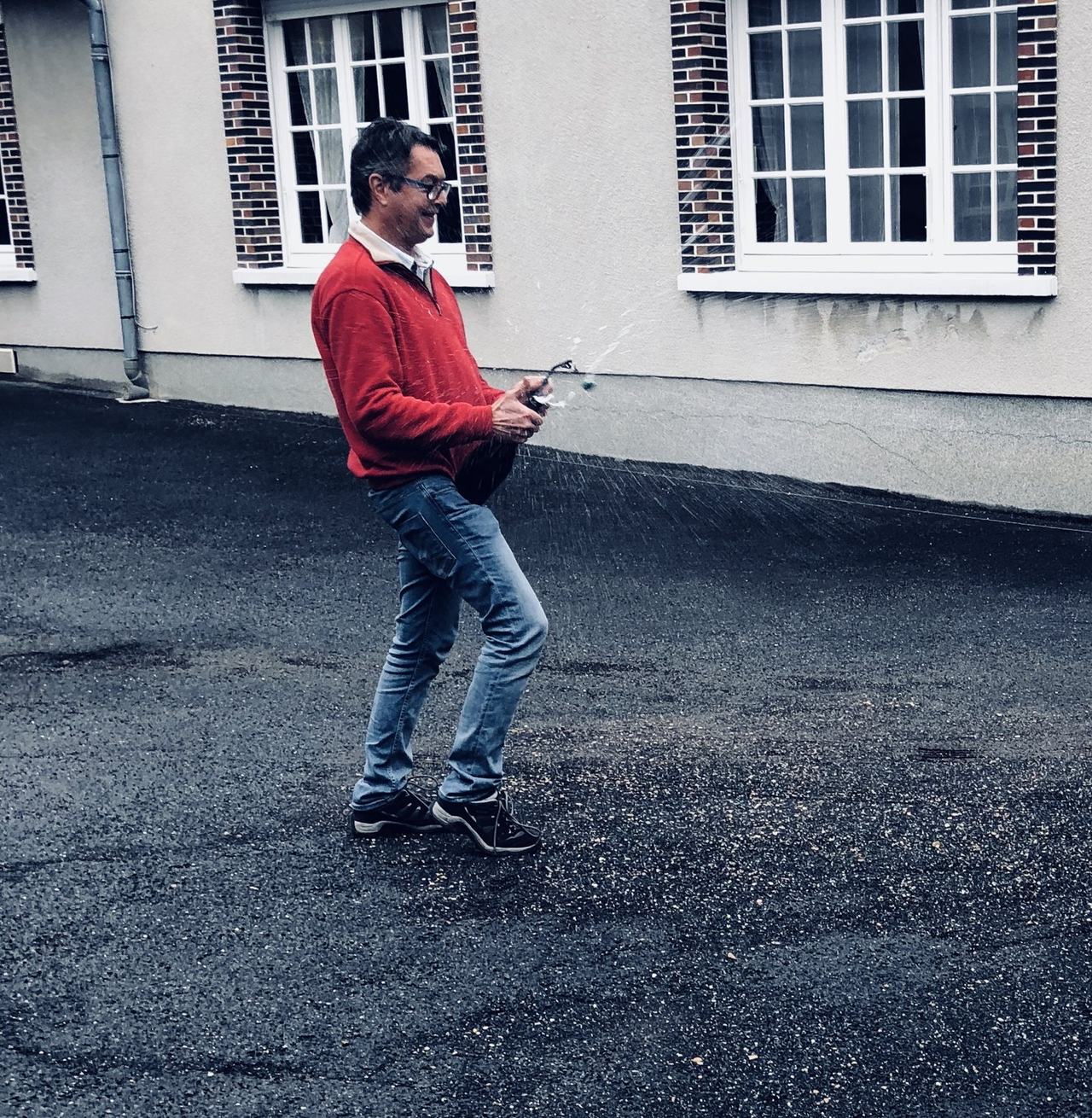
Nicolas Demière died on the third of February 2026, in Épernay, at fifty-six. He was the man in the courtyard above, and the one who kept the wooden press when every neighbour had gone to pneumatics, who refused malolactic, and who dosed his Champagne with his own still wine rather than a bought liqueur. The summer before he died, his son Renan, the fifth generation, had already been registered as the head of the house, with the shares passed to him that September, so the hand on the disgorging line is the same family’s. We have sold these wines for years. We will go on selling them.
The family also owns vines in the Vallée de la Marne, whose fruit is sold entirely to the houses. It gave Nicolas something most small growers lack: a ready buyer for any Côte des Blancs lot he judged not good enough, and the freedom to bottle only what was.
03 · The vinesNineteen parcels, all Oger, all chalk.
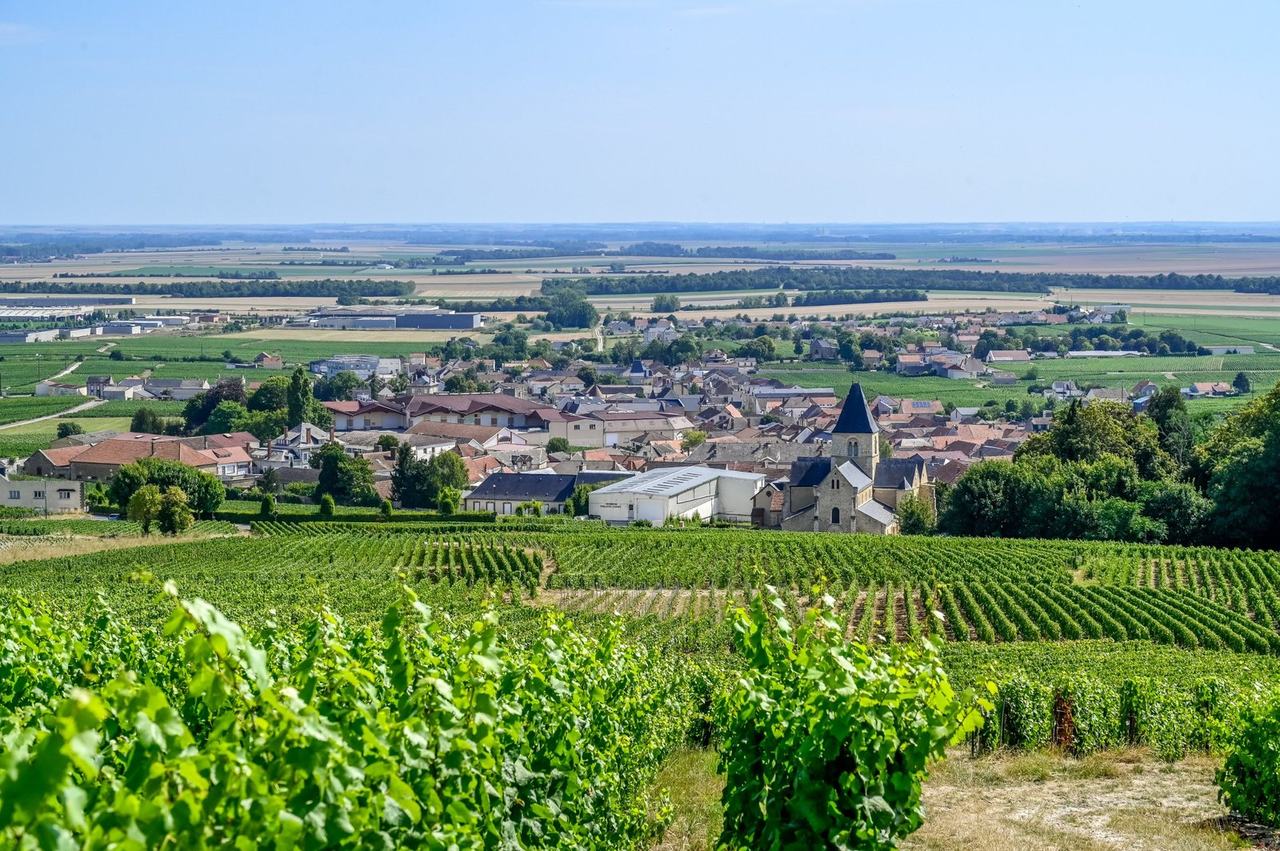
Oger is one of the seventeen Grand Cru villages and one of the six on the Côte des Blancs; its neighbour over the rise is Le Mesnil-sur-Oger, the village of Salon and Krug’s Clos du Mesnil. The Demière parcels are all inside Oger: about forty per cent on the slope with the ideal south-east aspect, the rest facing east where the chalk breaks the surface. Nineteen parcels averaging forty years, 7,500 vines to the hectare, Chablis-pruned, on what the family calls pure belemnite chalk under a few centimetres of soil.
The old ones have names. Neyrot, four-tenths of a hectare at the bottom of Oger, planted in 1947, the vines that make the extra-brut cuvée of the same name. Mont Chenevaux, planted 1959. Moulin, 1970. Tartelette, 1976. The rows are grassed to push the roots down into the chalk, and the vines are de-budded each spring for concentration rather than volume. The farming is organic in practice, though not certified.
04 · The press, the dosageA wooden press and a liqueur from their own cellar.
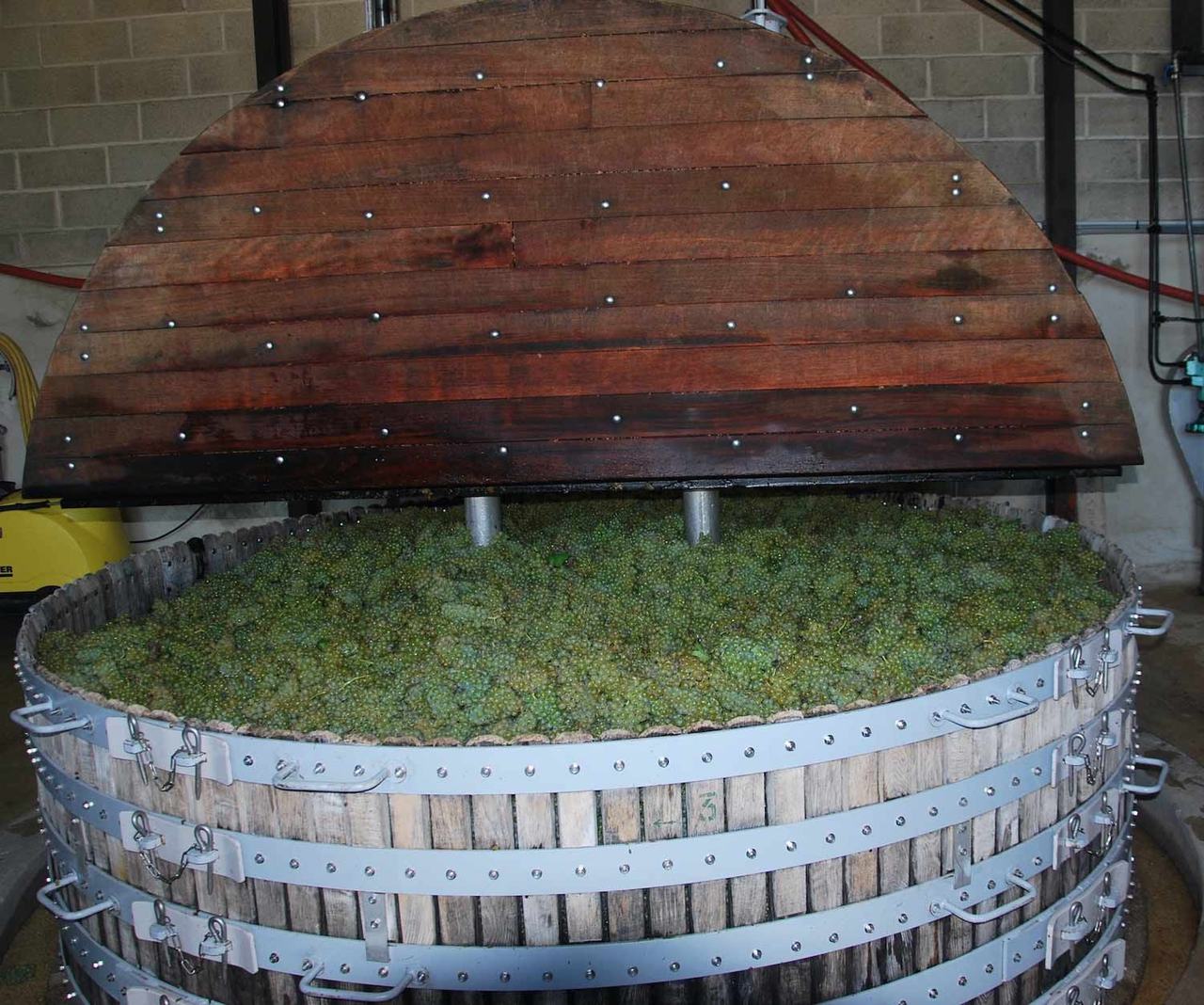
Four thousand kilos of whole bunches go into the traditional Coquard vertical press and come out as 2,550 litres: the cuvée, then the first and second taille, kept apart. Fermentation in fifty-hectolitre stainless steel, deliberately a little oxidative; no malolactic on the Brut and the vintage, so the acidity stays whole, though Neyrot is allowed its malo. Then the lees, for years (three at the least, up to six for the vintage), and disgorgement by hand, à la volée, in small lots four times a year.
The dosage is the detail. Most houses buy a liqueur; the Demières make theirs from their own still wine, aged in the cellar for as long as two decades. The 2010 Brut was dosed with still wine from 1981, the first year they bottled under their own name. Four grams for the Brut and the vintage, a gram and a half for Neyrot. Everything finishes at extra-brut dryness whatever the label says. Unfined, unfiltered. About thirty thousand bottles a year.
05 · What they say“A very strong signature of soil.”
John Gilman, View from the Cellar: “I am absolutely drawn to this wine for its outstanding complexity and very strong signature of soil.” Wine Spectator, 92: “tightly knit and exotic, with mouthwatering acidity and expressive accents of coconut, ground clove and tea rose.” Roger Voss in Wine Enthusiast, 93: “a beautifully textured Champagne with a taut character.” VinePair, 94, on the same non-vintage: mineral-driven, lees-textured, long.
And from the French forum La Passion du Vin, a taster opening the 1996 in 2021, twenty-five years on: hazelnut, toasted brioche, wet chalk, “laser” acidity; superbe vin. That is what no-malo Oger does with time, and why the vintages are worth holding.
I am absolutely drawn to this wine for its outstanding complexity and very strong signature of soil.
John Gilman, View from the Cellar
In the vineyard
& cellar.
- Village
- Oger, grand cru, Côte des Blancs; Le Mesnil-sur-Oger over the hill
- Holding
- About three and a half hectares in nineteen parcels, all Oger, all Chardonnay; vines averaging forty years, 7,500 to the hectare, Chablis-pruned
- Lieux-dits
- Neyrot (1947), Mont Chenevaux (1959), Moulin (1970), Tartelette (1976)
- Farming
- Grassed rows, de-budding; organic in practice, HVE certified
- Press
- Traditional 4,000-kilo Coquard, whole bunch; cuvée and tailles kept apart
- Cellar
- Fifty-hectolitre steel; no oak; malolactic blocked except on Neyrot; a third reserve wine in the non-vintage; unfined, unfiltered; hand-disgorged four times a year
- Dosage
- Liqueur from the estate’s own aged still wine: 4 g/L on the Brut and vintage, 1.5 on Neyrot
- Since
- Estate formed 1970; own label from 1981; Nicolas’s son Renan Demière, fifth generation, in charge since 2025