
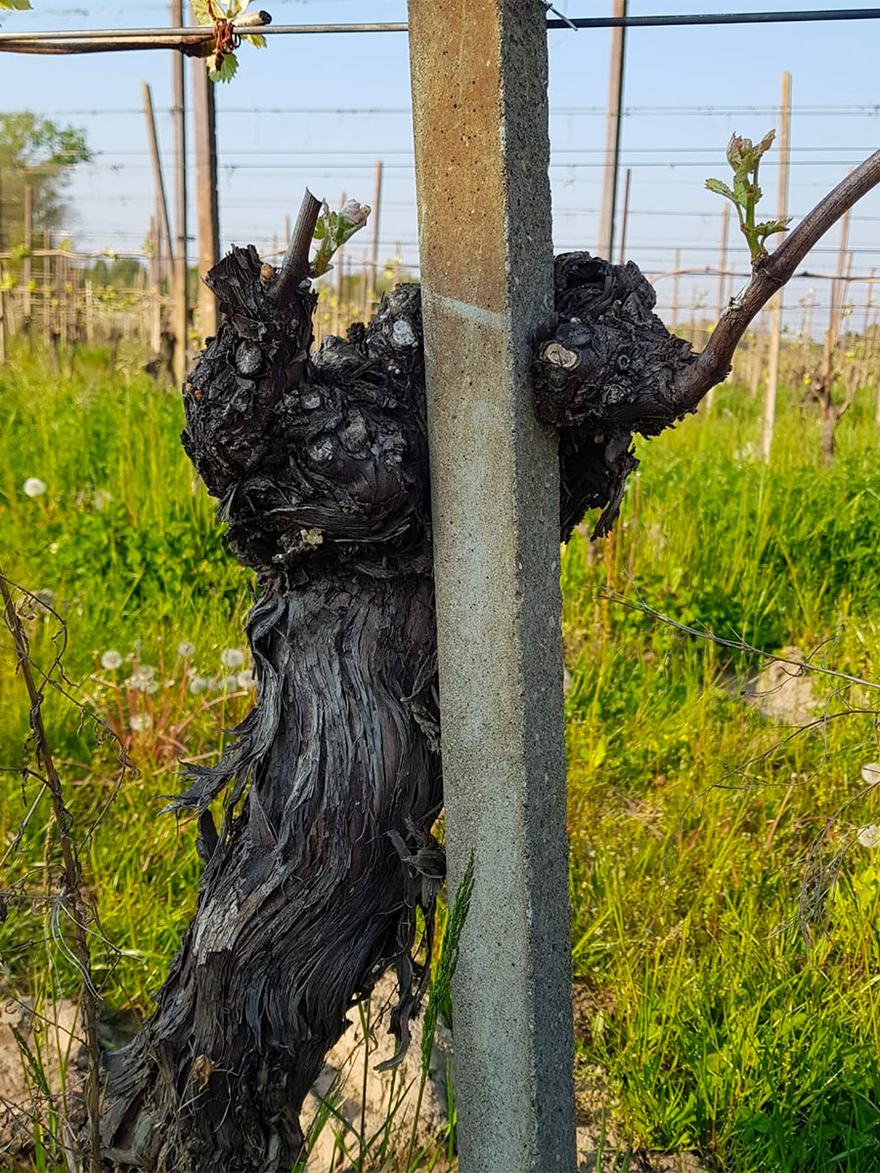
Seventy-year-old vines in a village that once paid its tithe in wine.
Sizzano is a village of about fifteen hundred people in the hills north-west of Novara, on the left bank of the Sesia. Its wine has its own DOC, covering only about twenty hectares, and a history that goes back at least to the year 840, when the bishop of Novara assigned the village’s tithe to the cathedral. Sizzano paid it in wine. The tithe was only abolished in 1974.
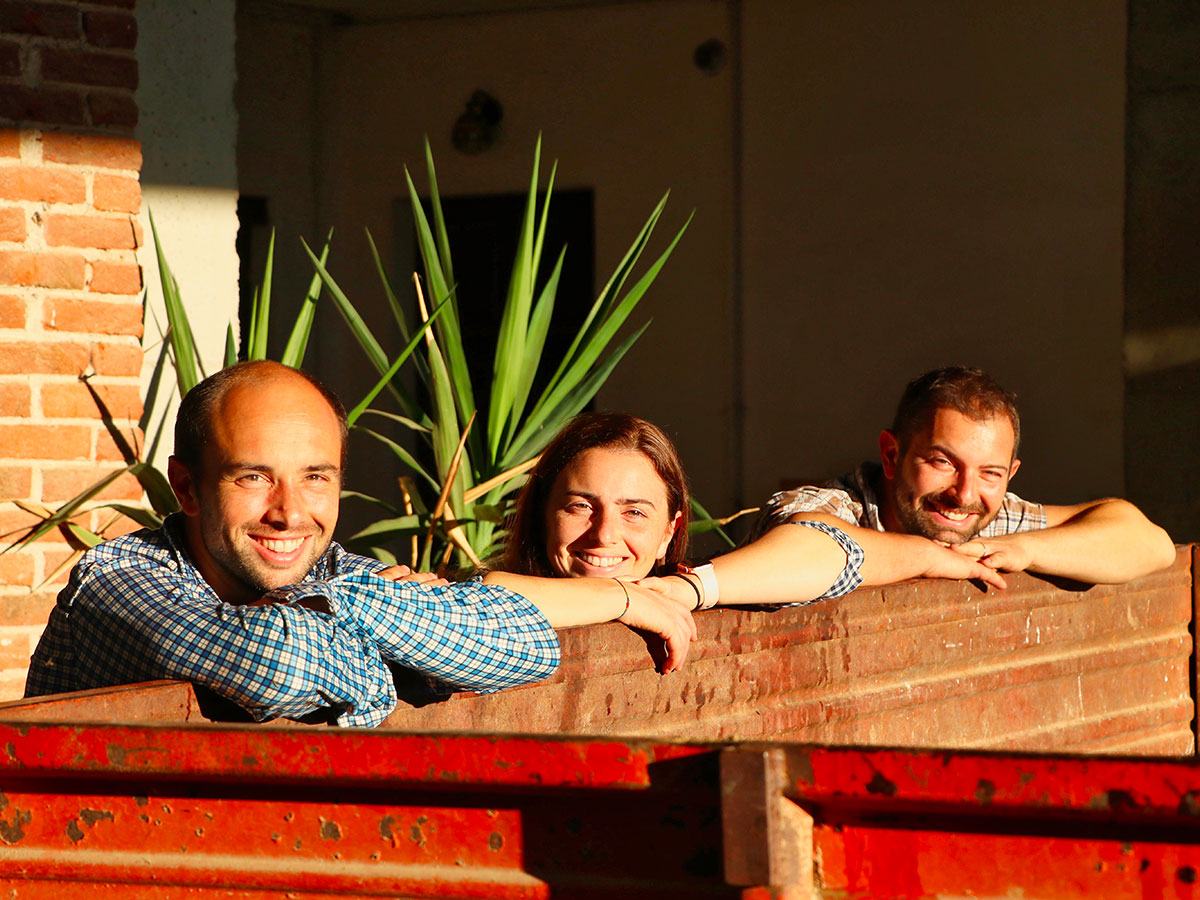
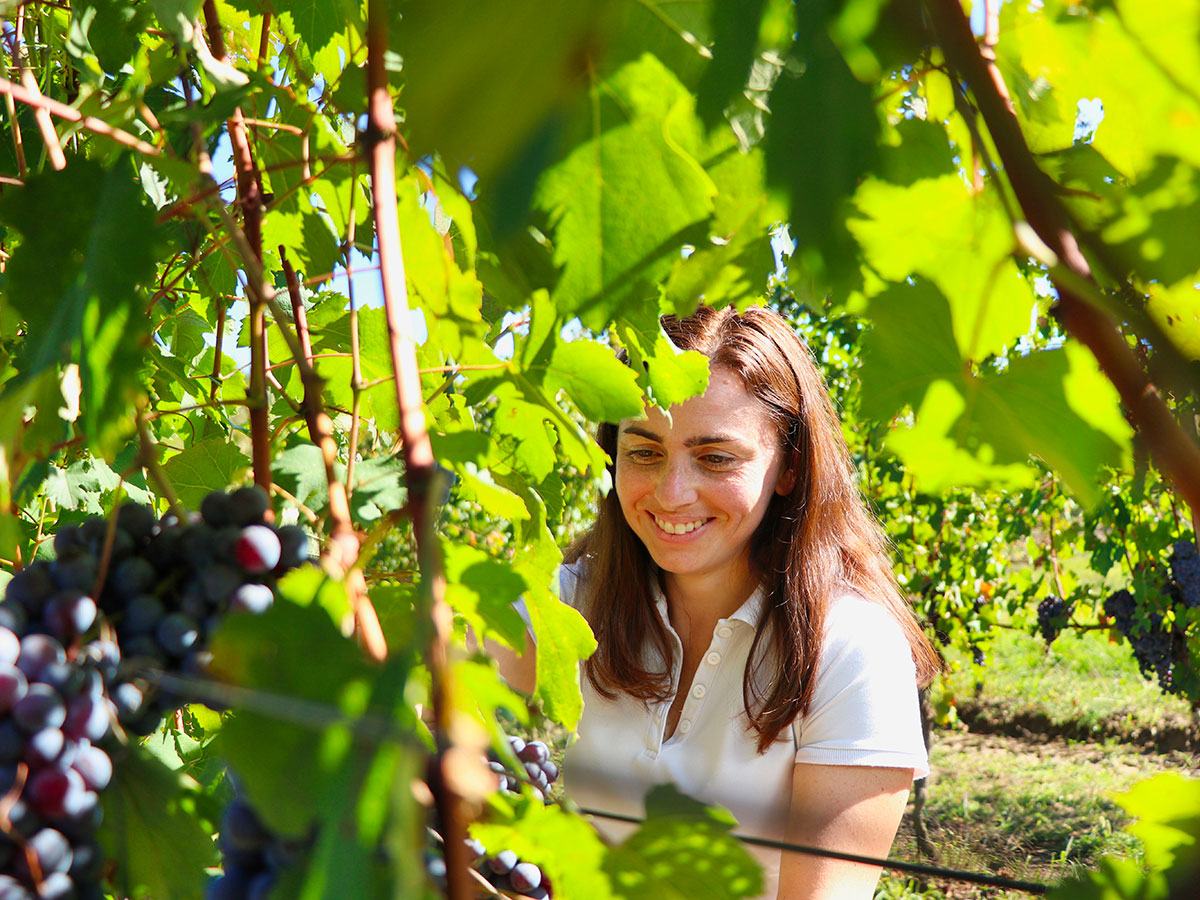
Three siblings, Matteo, Fabio and Barbara Negri, farm about 2.3 hectares of vines there, handed down by their grandparents and parents. Some of the Nebbiolo is over seventy years old, with deep roots and plants chosen over the years for each patch of soil. They began bottling under their own name in 2021, so the label is new and the vineyards are old.
What sets them apart is how far they take the care. They farm with copper, sulphur and plant extracts, sow seven herbs between the rows in place of fertiliser, ferment on wild yeasts, age in large old casks, and then bottle by hand straight from the barrel and seal the corks with beeswax. Few growers anywhere go to that trouble. Sizzano is a name most sommeliers have never poured, and these are wines worth seeking out.
02 · Matteo, Fabio, BarbaraA grandparents’ vineyard turned into a cantina.
The Negri winery describes itself as “the result of a dream of three siblings.” Matteo is named as the owner; Fabio and Barbara work alongside him. The vines came down from their grandparents and parents. What changed in 2021 is that the three of them decided to make and bottle the wine themselves, in a small cantina on Via Gibellini in the village.
Their holding is tiny: about 1.8 hectares of Nebbiolo, a few tenths of a hectare of Uva Rara and a scrap of the white Erbaluce, all trained on Guyot. Picking and bottling are both done by hand.
The labels carry family memory. The Uva Rara bears a phrase their grandfather used for a wine that fills the mouth with fruit: La fa gni la buca larga, roughly, it makes your mouth open wide.
La fa gni la buca larga.
The Negri siblings’ grandfather, on the Uva Rara label
03 · Porphyry and pebblesClay over the stones of an ancient volcano.
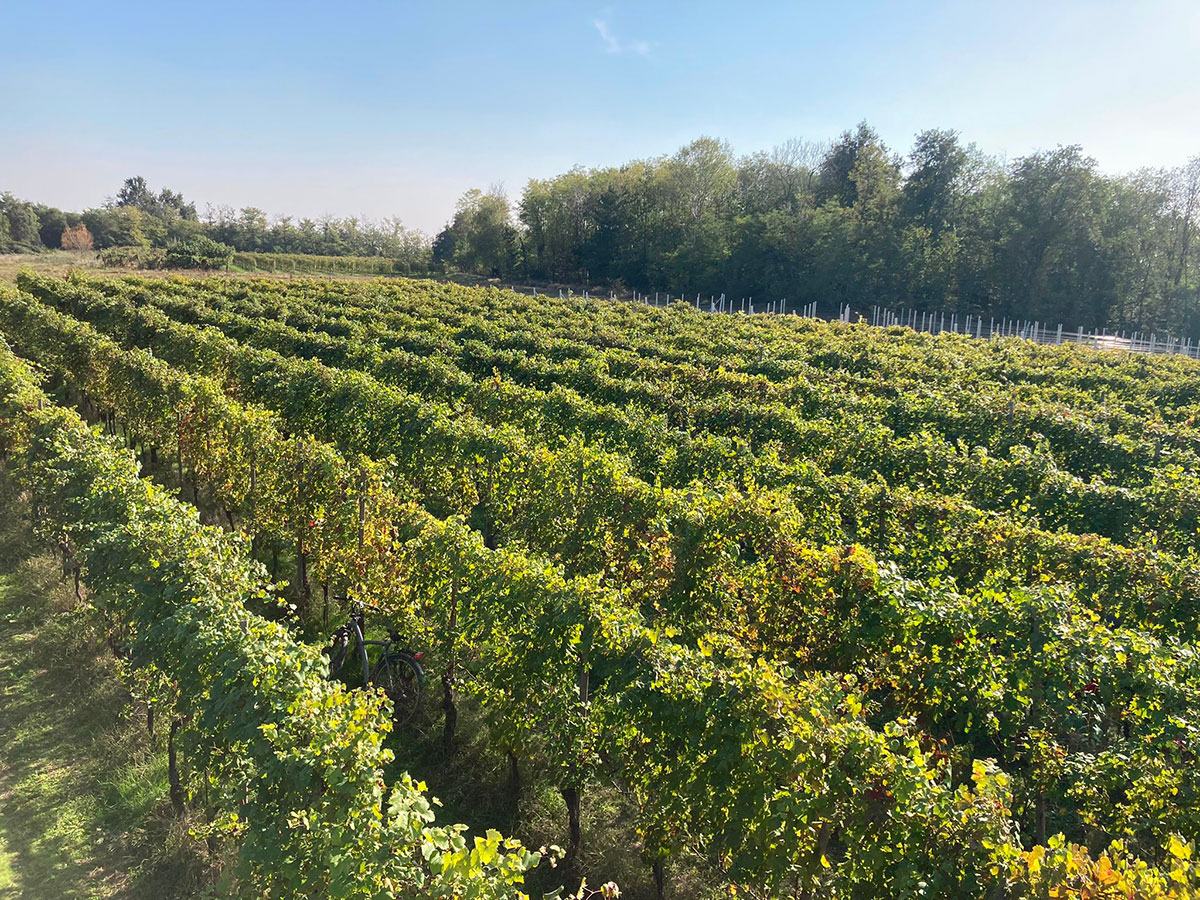
Alto Piemonte is Nebbiolo country, like the Langhe, but the ground is different. The Langhe sits on marine marls. Up here, at the foot of the Alps, the Sesia river and the glaciers before it carried down rock from the Valsesia, including porphyry, an ancient volcanic stone, along with schists and rounded river pebbles. The Negri vines grow on clay over a subsoil full of that material, porphyries, schists, metaschists and pebbles, mixed differently in each cru. The vineyards face west and south-west at about 270 metres.
That mineral, acid-rich ground is why northern Nebbiolo tastes as it does: leaner, more fragrant and more saline than Barolo, with a grip that comes from the rock as much as from the grape. Locally the grape is called Spanna.
The Sizzano Nebbiolo vines were planted between 1960 and 2020, so the wine blends very old plants with young replacements. The Uva Rara comes from about 0.3 hectares planted in 1950 and 2014.
04 · Seven herbsNo synthetic fertiliser, no filtration, beeswax on the cork.
The siblings’ starting belief, in their own words, is that “there are no great wines without a great soil, and a soil cannot be great if it is not respected.” In practice that means sprays of copper and sulphur only, helped by algae, essential oils and plant macerations. Between the rows they green-manure and sow a mix of seven herbs that feed and structure the soil, so there is no need for synthetic fertiliser. The aisles are not tilled. The aim is a vineyard with as much life in it as possible.
In the cellar the rule is the least possible intervention. Fermentations run on the yeasts that come in on the grapes, with little pumping over and no temperature control in the maceration. The Sizzano then ages for about two years in large oak casks of 2,000 litres. Nothing is fined or filtered.
Then comes the part almost nobody bothers with. The wine is bottled by hand straight from the cask with a chèvre à deux becs, a tap with one inlet and two spouts, and corked so as to leave as little air as possible under the cork. Each cork is then sealed with natural beeswax, which cuts oxygen further and protects the wine as it ages. It is slow, old-fashioned work, and it makes a difference in the bottle.
There are no great wines without a great soil, and a soil cannot be great if it is not respected.
Fratelli Negri Viticoltori
05 · Vespolina and Uva RaraThe old grapes of the north, kept alive.
The Sizzano is mostly Nebbiolo with Vespolina, the local grape that brings spice and black fruit to Nebbiolo’s cherry, cocoa and herbs. The siblings rank Sizzano among the greatest terroirs of Alto Piemonte, a place where serious wine has always been made from Nebbiolo with a touch of Vespolina. They make about 3,000 bottles, from yields of around 4.5 tonnes a hectare. On the nose it gives ripe cherry, sweet almond and kirsch, with flowers and the spice that Vespolina brings; in the mouth it is broad and fine, with velvety tannin. The importer’s sheet sums it up as “a wine of great purity, elegance and persistence.”
The Uva Rara is the rarer thing. The grape has almost disappeared from Alto Piemonte, where it was always a minor blending partner that softened Nebbiolo. The Negri bottle it on its own: hand-picked, fermented in wooden vat on wild yeasts, with a fifth of the grapes given a month of carbonic maceration, then nine months in wood. It comes out deep in colour, full of ripe cherry and blackberry, soft in tannin, with a faint prickle of carbon dioxide that gives it energy (decant it if you prefer it still). About 2,500 bottles are made.
Together the two wines cover what this corner of Piedmont can do: a serious, age-worthy Nebbiolo from old vines, and a red you can drink cool with salumi. There is very little of either, and Alto Piemonte is still little known in America.
In the vineyard
& cellar.
- Holding
- About 2.3 ha in Sizzano (Novara): Nebbiolo, Uva Rara, a little Erbaluce
- Since
- Family vines for generations; own label since 2021
- People
- Matteo, Fabio and Barbara Negri
- Vines
- Nebbiolo planted 1960–2020; Uva Rara 1950 and 2014; west to south-west, about 270 m
- Soil
- Clay over porphyry, schist, metaschist and river pebbles
- Farming
- Copper and sulphur only, plant extracts, seven-herb cover crop, no synthetic fertiliser
- Cellar
- Wild yeasts; Sizzano 24 months in 2,000-litre casks; unfined, unfiltered, hand-bottled, beeswax seal