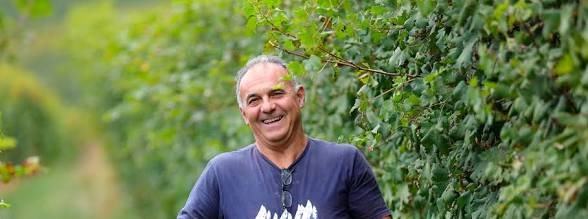
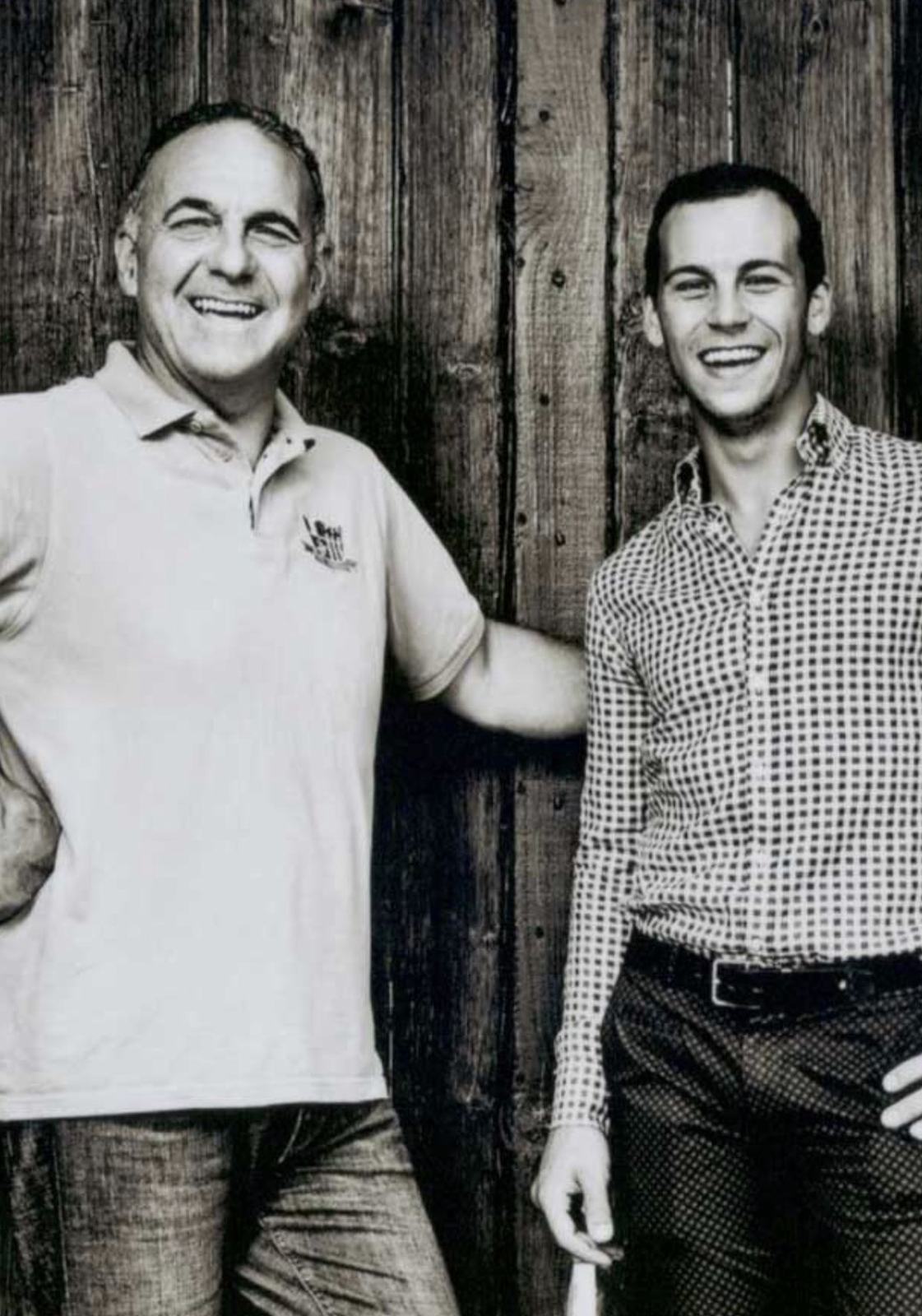
The brother who kept the Rocche.
In the early 2000s the Corino brothers did what Piedmontese brothers do more often than anyone admits: they split the family land. Giuliano kept the name, Giovanni Corino, and the old cellar. Renato took about seven hectares, built a new winery half a mile up the road, and put his own name on the label from the 2005 vintage. What he took matters more than what he left. His share included the family’s vines in Rocche dell’Annunziata, a slope the Benedictines of San Martino already owned in 1194 and one of the handful of La Morra sites people talk about the way they talk about grand crus in Burgundy.
The oldest third of a hectare of those vines, now past fifty-five years, makes the Riserva: about twelve hundred bottles in a year, when there is one. The rest of the house is built the same way, small parcels, made separately, by a family that has farmed this one corner of La Morra since 1952. Renato’s son Stefano now makes a Barolo of his own beside his father’s. I buy these wines because Rocche costs a fortune almost everywhere else, and here it doesn’t.
02 · AnnunziataA sharecropper, two sons, and a road half a mile long.
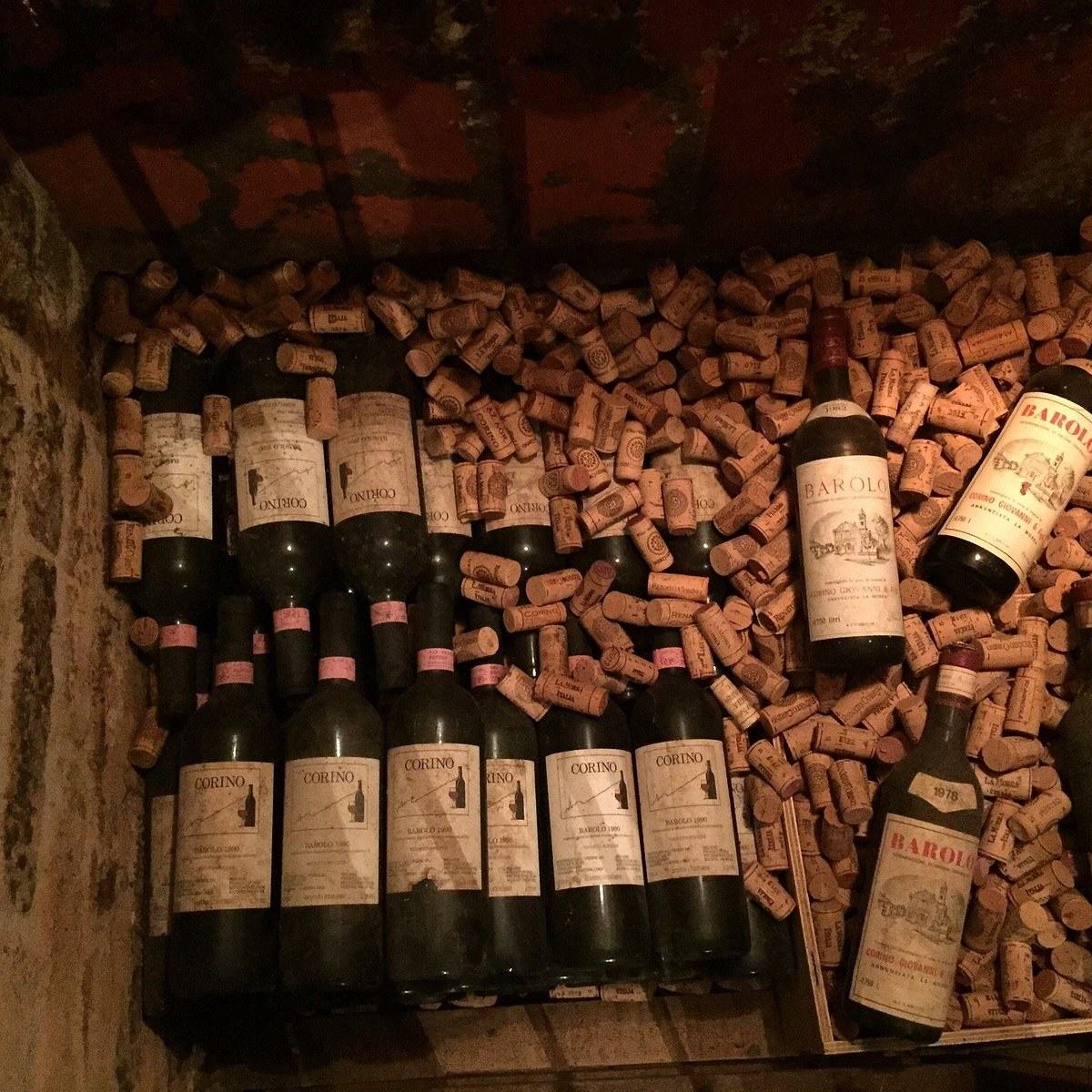
Celeste Corino came to Annunziata in 1952 as a mezzadro, a sharecropper, working another man’s land for half the crop. His son Giovanni bought and built the farm, and for years the family sold its grapes. The first Corino Barolo went into bottle in the mid-1980s, and in 1987, on the advice of their friend and neighbour Elio Altare, they started cutting off bunches in summer to concentrate what was left. In the Langhe of the 1980s, dropping fruit you could have sold was close to heresy.
Giovanni had two sons, Renato, born in 1963, and Giuliano, five years younger. They made the wine together for about twenty years. Wine Spectator ran the news of the split in November 2006: roughly eighteen acres to Renato, twenty to Giuliano, and the reason Renato gave was the obvious one, that two brothers who both want to make the decisions will not make them together for ever. The 2003 and 2004 were already in barrel when they divided. The 2005 is the first vintage that is Renato’s alone, and the new cellar stands in his piece of Arborina.
Renato named Altare and Luciano Sandrone as the men he learned from. Both are modernists of the 1980s, and in the early years you could taste the new oak. There is much less of it now.
03 · The vineyardsEight hectares, and one slope that matters most.
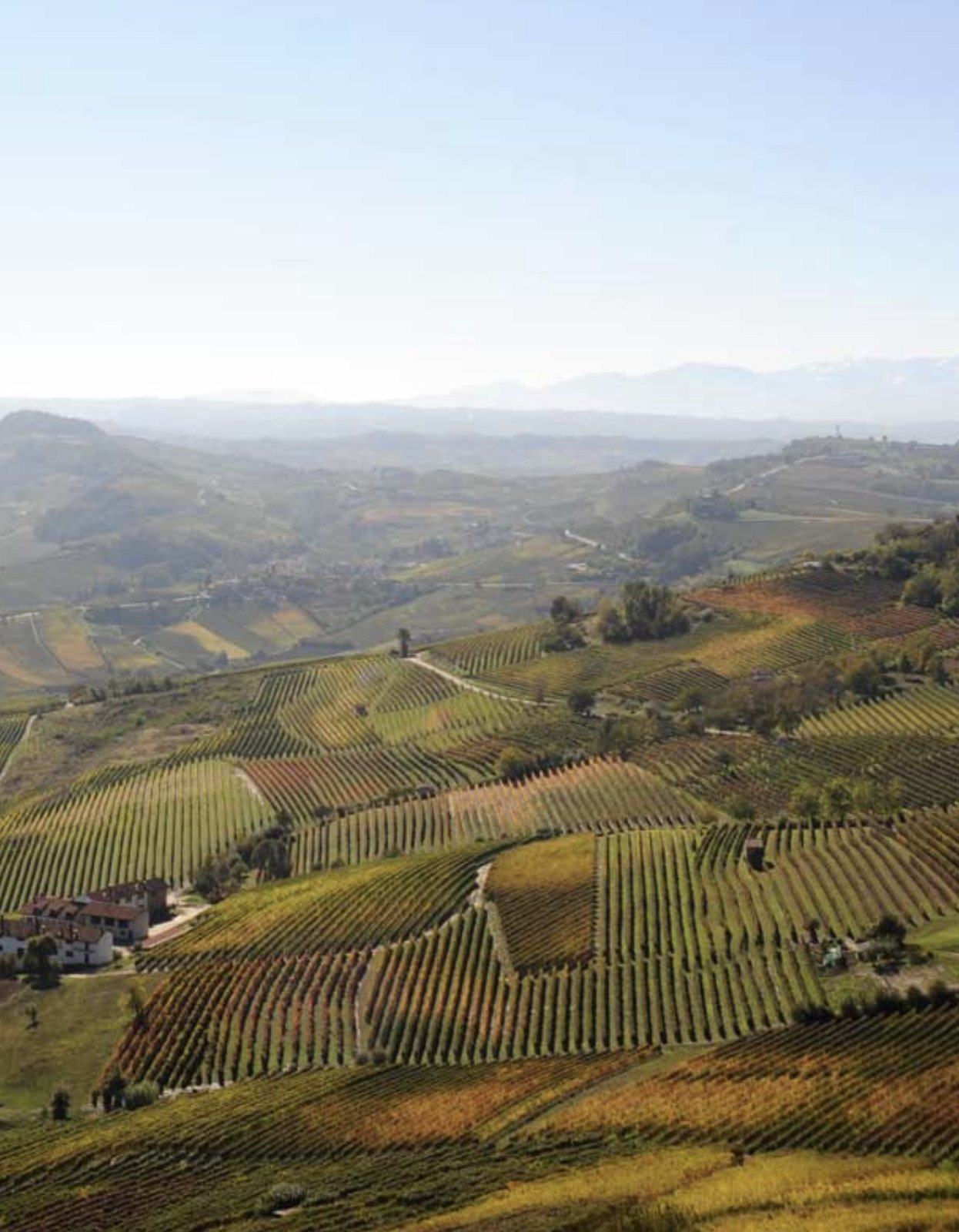
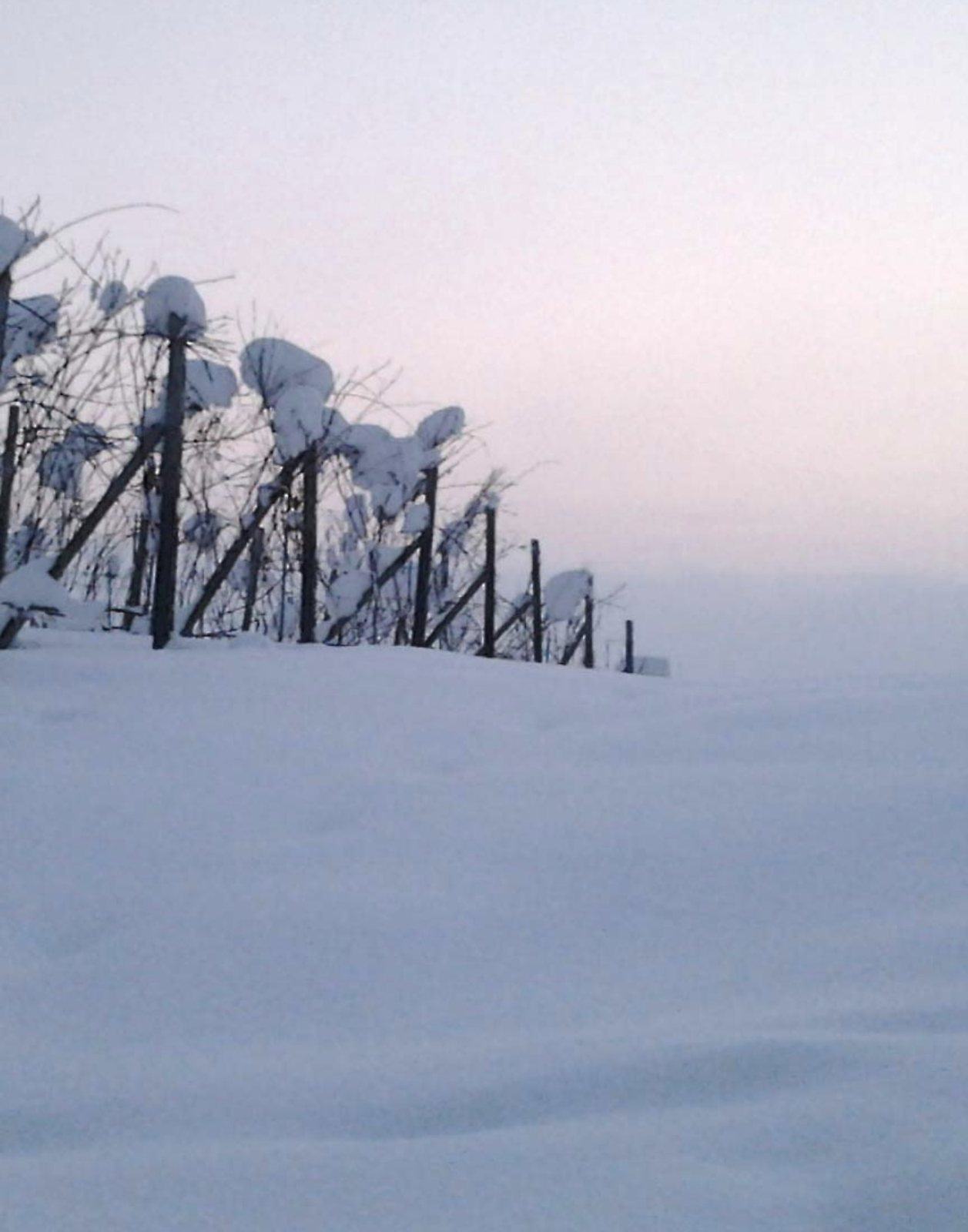
Rocche dell’Annunziata is the reason. The Corino holding is six-tenths of a hectare facing south-west at 300 to 320 metres, on the calcareous Sant’Agata marl that runs under the best of La Morra, with a top layer of clay and sand. The vines are about fifty-five years old and give around three thousand bottles of Rocche. The oldest 0.3 hectare, cropped at four tonnes a hectare, is held back for the Riserva, two years in wood and three more in bottle before release. In earlier years it went out as Vecchie Vigne. In 2019 Renato didn’t make one at all and put everything into the Rocche.
Arborina is three-quarters of a hectare below the winery, south to south-east, 300 to 320 metres, and the more immediate, perfumed of the two crus. The Barolo del Comune di La Morra comes from 2.3 hectares facing south-west at 350 metres, vines around thirty-five years old, about twelve thousand bottles: the house style at the house price. Pozzo is the Barbera, from vines planted in 1953, and there is a hectare of Dolcetto higher up, at 350 to 400 metres.
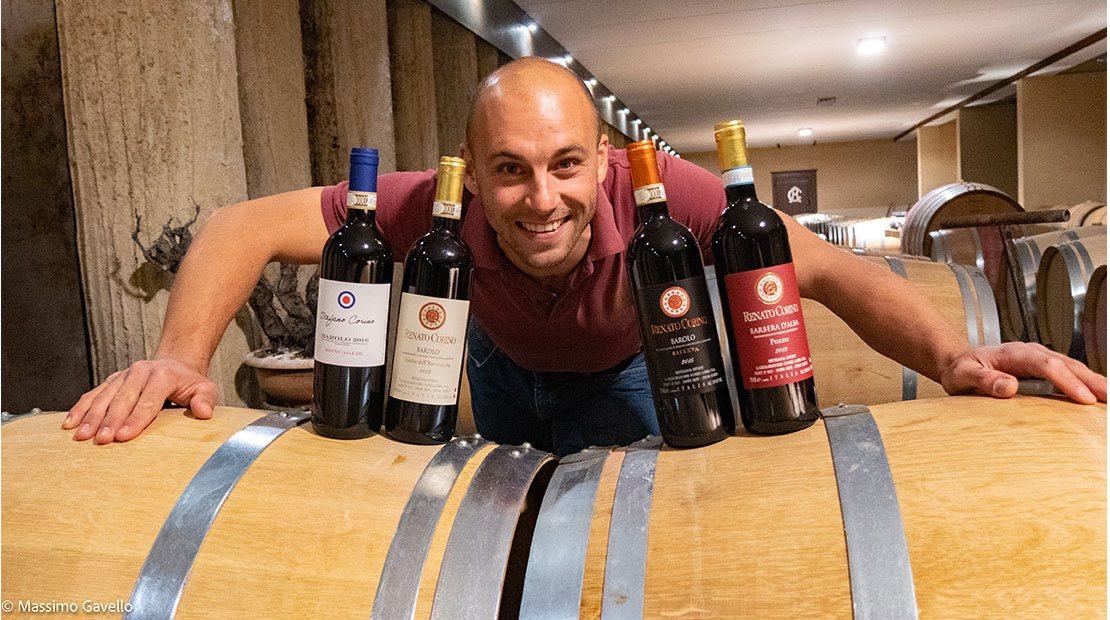
And then Roncaglie: forty-six ares facing south-east in the frazione of Santa Maria, from a vineyard that belongs to Stefano’s mother. It is the one wine with Stefano’s name on it, first made in 2016, label drawn by him.
Two Barolos, one cellar.
Renato’s Riserva.
Twelve hundred bottles from the oldest vines on the best slope the family owns, made only when the year allows. Two years in wood, three in bottle, so it reaches the market about five years after the harvest. This is the wine that put Renato on the critics’ lists: Wine Spectator gave the 2009 96 points, and Antonio Galloni scored the 2021 at 95.5. The style is La Morra’s: perfume first, then a long, fine-grained finish rather than a wall of tannin.
Stefano’s Roncaglie.
Fifteen hundred bottles from forty-six ares on his mother’s vineyard, under his own name and his own label. The family says it is made in his father’s style, with a few steps changed to make it rounder, and raised in barrels of first and second use. It is the clearest sign of where the house is going: the same farming, the same cellar, and the next generation deciding what to change.
05 · What they sayTre Bicchieri, and a bargain.
The Rocche is the wine the guides keep coming back to. Gambero Rosso has given it Tre Bicchieri for the 2006, 2010 and 2016 vintages. Antonio Galloni gave the 2019 95 points and the 2021 94, calling it classy and elegant, from one of the very finest sites in La Morra. Monica Larner, in the Wine Advocate, scored the 2016 Rocche 94+. Decanter gave the 2010 95. Wine Spectator has put Arborina at 95 twice, for the 2016 and the 2021.
The line I like best came from a London merchant, Atlas Fine Wines, over its offer of the 2017 Rocche. It is the commercial argument for this house in eight words, and it is still true.
Surely one of the bargains of 2017 Barolo.
Atlas Fine Wines, on the Rocche dell’Annunziata
In the vineyard
& cellar.
- Family
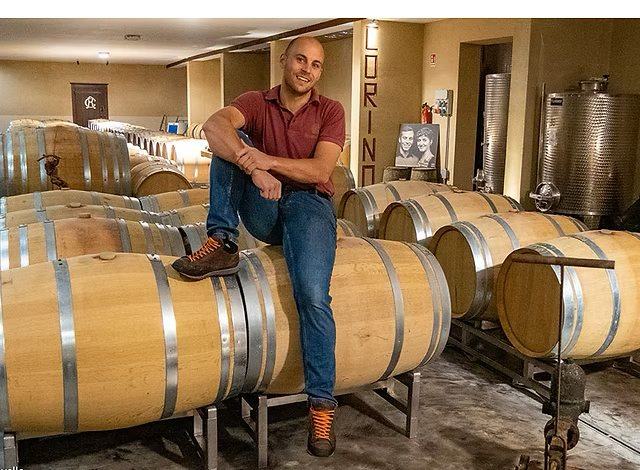
- Celeste Corino, sharecropper at Annunziata from 1952; his son Giovanni built the farm; first bottled Barolo mid-1980s. Brothers Renato (b. 1963) and Giuliano divided the estate in 2003–05; Renato’s own label from 2005. Renato with his children Stefano (vineyard and cellar) and Chiara (office)
- Holding
- About 8 ha in Annunziata, La Morra; about 50,000 bottles a year
- Vineyards
- Rocche dell’Annunziata (0.6 ha, SW, 300–320 m, vines ~55 years); Arborina (0.75 ha, S/SE, 300–320 m); La Morra (2.3 ha, SW, 350 m); Pozzo, Barbera planted 1953; Dolcetto (1 ha, SE, 350–400 m); Roncaglie (0.46 ha, SE, Santa Maria), Stefano’s label
- Farming
- Copper and sulphur only; no herbicides and no synthetic fertilisers; grass between the rows, turned in each winter; Guyot; green harvest since 1987
- Cellar
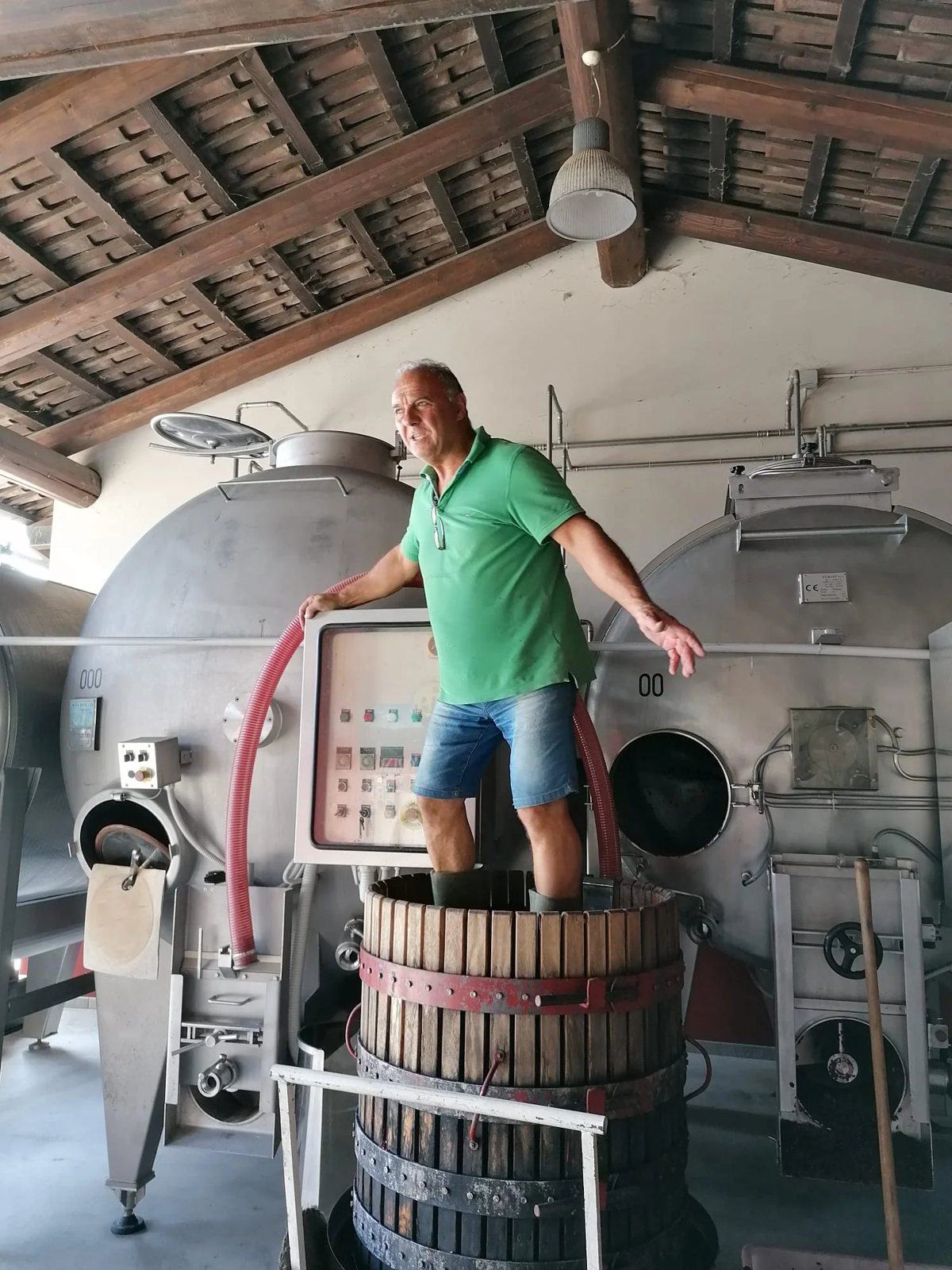
- About a week in temperature-controlled steel, indigenous yeasts; malolactic in wood; Barolos 24 months in barrels of different ages, a share renewed each year; Riserva 24 months in wood and 36 in bottle; unfined and unfiltered
- Dolcetto & Barbera
- Steel only, no more than a week on the skins, ten months in tank