
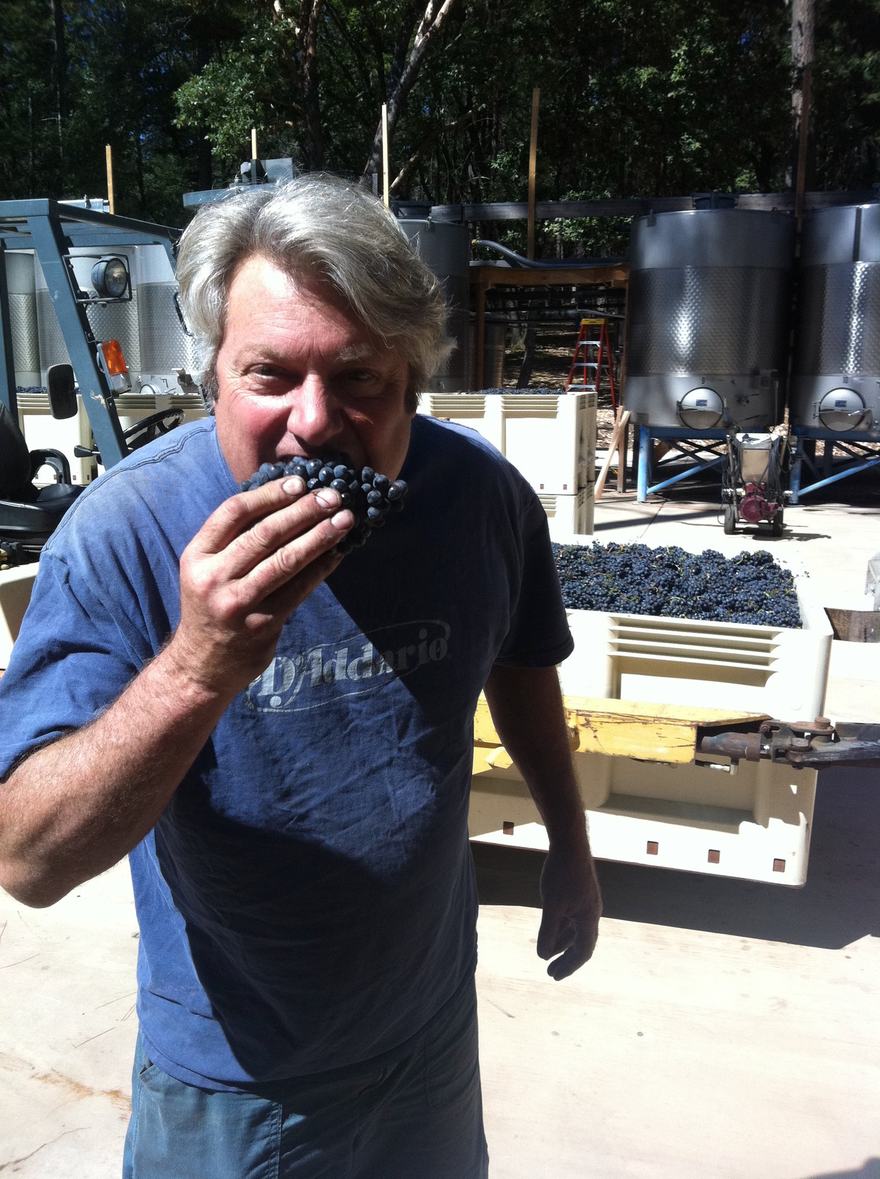
Fifty Napa harvests, a Charbono he tasted at sixteen, and a winery on Howell Mountain.
Bob Foley has made wine in Napa since 1977, longer than most of the famous names have existed. He started at Heitz Cellars, was the founding winemaker at Markham for fifteen years and at Pride Mountain for fifteen more, and along the way created Switchback Ridge, Hourglass, Paloma and School House. His own label, begun in 1998, carries what all that teaches: that the valley was not always this expensive or this theatrical, and that wine made by someone who has spent decades on the craft rather than the marketing does not need to announce itself.
He keeps making Charbono, a nearly forgotten grape that nobody is telling him to grow, because a cask sample of it made him a winemaker, and because it makes a good wine. He makes a Chablis-style Chardonnay with no oak, a Merlot for Cabernet lovers, a blend named for the griffin on the Foley family crest, and Cabernet from the valley floor and the mountains, including from his own five acres on Howell Mountain.
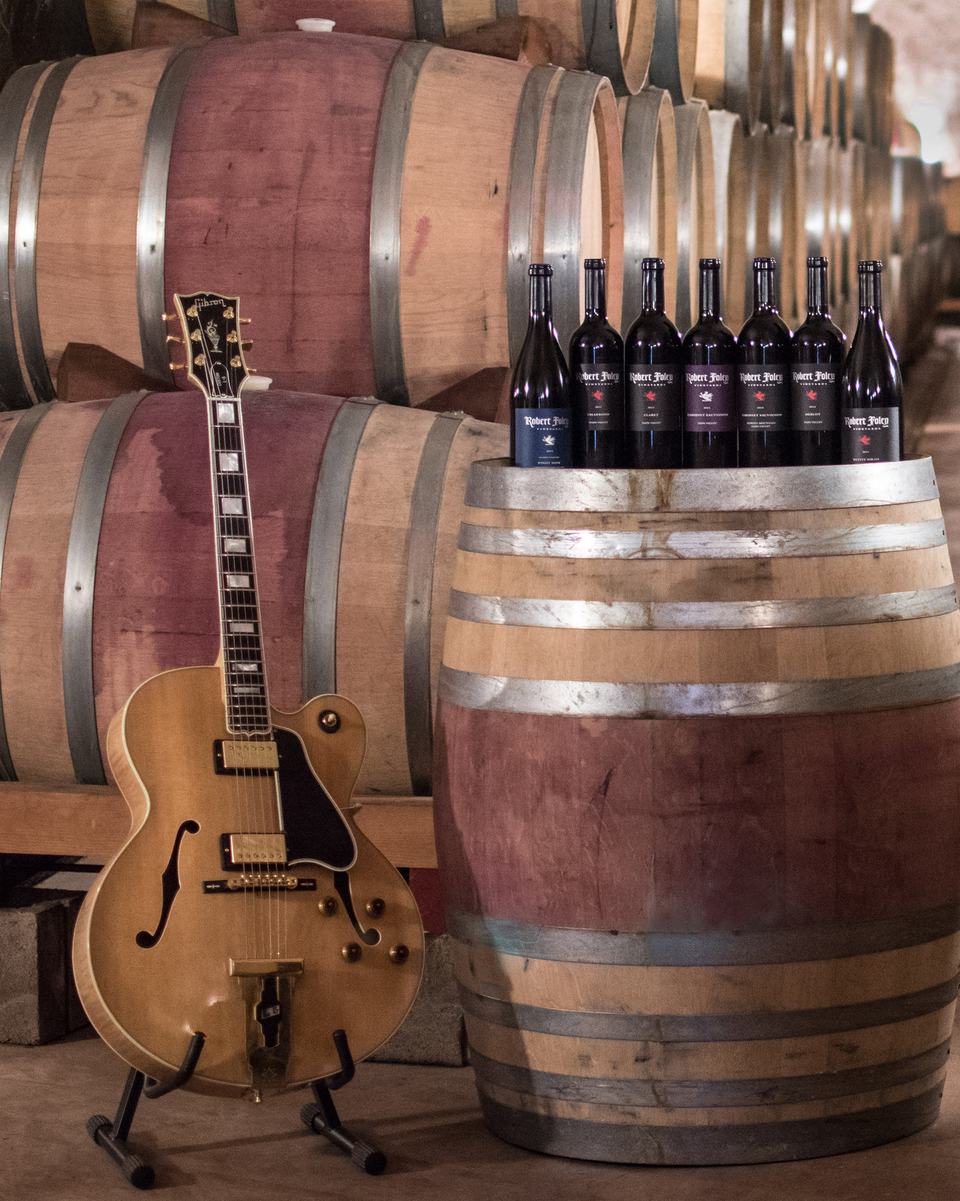
The whole operation is three people. Bob does every job in the cellar himself, holds the reds in bottle for years before release, and plays guitar in his own band in the cave on the side. I find the whole project a little heroic.
02 · Inglenook, 1969A cask sample of Charbono, and a career decided at sixteen.
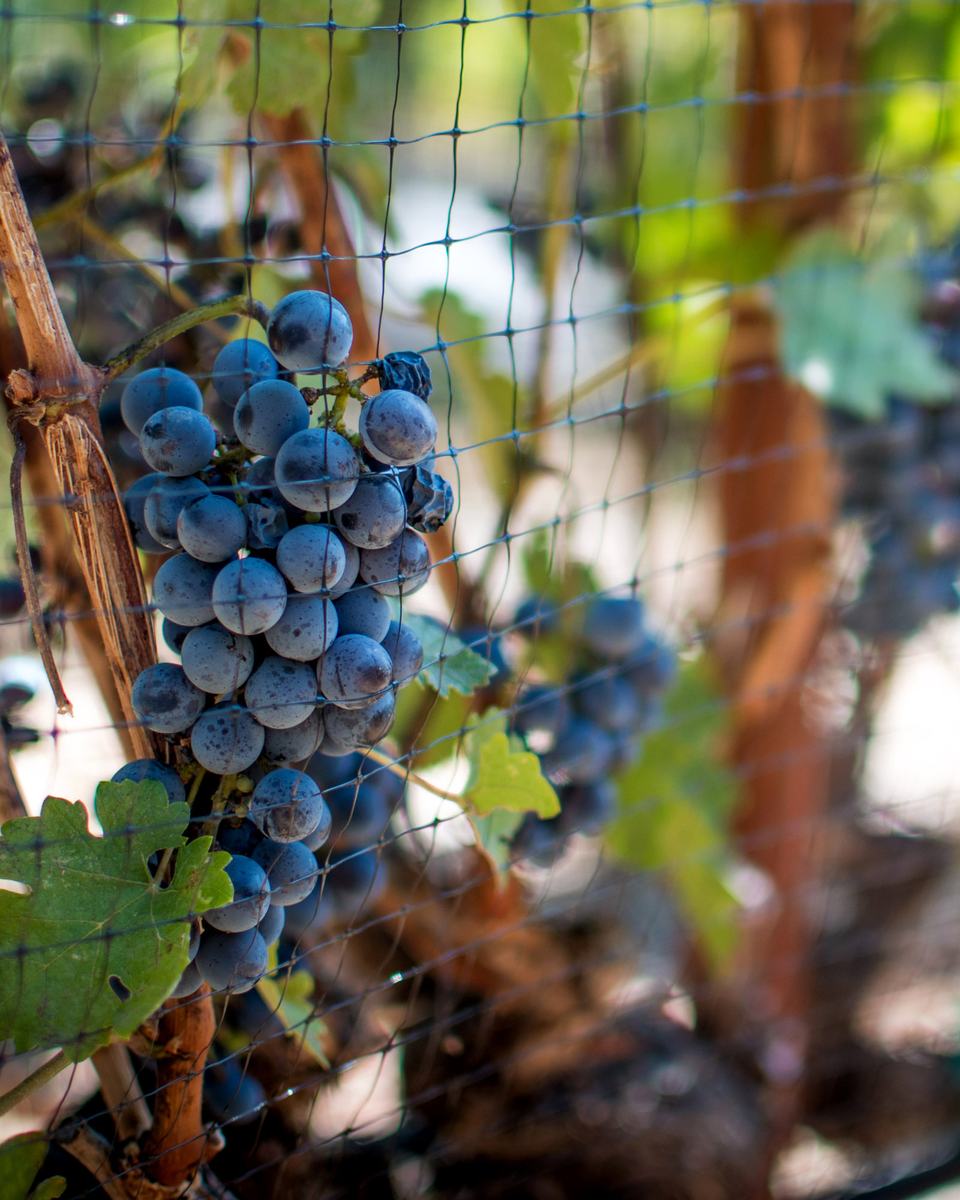
Foley’s father was a research scientist who worked on the Mercury and Saturn space programmes and grew grapes for fun in the back yard; in 1964 he took his son to Napa to buy vines from a St. Helena nursery, and asked Harold Olmo at UC Davis how to look after them. A neighbour, Bill Miller, worked for the company that distributed Inglenook. In 1969 he took sixteen-year-old Bob to Inglenook and drew him a sample of the 1968 Charbono straight from the cask.
That was the moment. Foley enrolled at Davis, with Olmo as his adviser, and graduated in 1977 with degrees in both viticulture and enology. His first job was for Joe Heitz at Heitz Cellars. His mentors were Heitz and André Tchelistcheff, the Russian-born winemaker who shaped Napa Cabernet at Beaulieu.
There is another family inheritance. His grandfather was Jack Foley, the man who worked out how to make and record sound effects for films, so that every footstep added in a sound studio is still called foley. Bob makes music too. The Robert Foley Band, formed with friends from his childhood paper route, has toured both coasts since 2006 and rehearses in the wine cave.
I tasted the 1968 Inglenook Charbono from cask in 1969 and was inspired to become a winemaker with that taste.
Bob Foley
03 · The founding winemakerMarkham, Pride Mountain, and the labels he started for friends.
In 1978 Foley became the founding winemaker at Markham Vineyards, and for fifteen years he made its wines, including a Merlot at a time when hardly anyone in California bottled the grape on its own. ‘After several years of trying to convince folks to give it a try,’ he says, ‘its popularity grew and eventually snowballed.’ He also went to Burgundy to learn how Pinot Noir was grown there, came home with knowledge and cuttings, and planted them.
In 1992 he moved to the top of Spring Mountain as the founding winemaker at Pride Mountain Vineyards, on the ridge where Napa meets Sonoma, and stayed another fifteen years. Pride’s mountain reds built his name; his own website reports that he has been called ‘The God of Cabernet’. In those years he also started other people’s labels. Switchback Ridge, in Calistoga, was one. Hourglass was another: in 1997 his friend Jeff Smith, a fellow guitarist he had met in a Yountville bar in 1981, asked him to make the first vintage from the replanted family vineyard, and the wine sold out within days.
Foley still makes wine for a few small estates, Padis, Herson Family and JennaMarise among them. But since 1998, when he bottled the first Claret under his own name, the Robert Foley wines have been the centre of his year.
04 · Howell MountainThree people, a cave, and red wines held back until they are ready.
For years Foley made his wines in other people’s cellars. In 2006 he bought land at Angwin, up on Howell Mountain about twenty minutes east of St. Helena, and moved everything there. Vines planted in the late 1990s were already on the property, and he has added more: about five acres of Cabernet Sauvignon and Merlot at roughly 2,000 feet. A cave, finished in 2008, holds more than a thousand barrels. Most of the fruit still comes from hillside vineyards he owns or leases elsewhere in Napa, and he will only take fruit where he controls the farming. His vineyard manager, Hector Lopez, has been with him since Pride; Foley calls him ‘an extension of himself’.
The staff is three. Bob does all the production and the cellar work. His wife, Kelly Kehoe, is the business manager; the winery’s website calls her the ‘Brains of the Operation and Taker of No Prisoners’. Shannon handles the office, compliance and the internet. There are also several cats with titles.
The house style is ripe, dark and long, with acidity that keeps it from going heavy. The Cabernets spend twenty-two months in French oak from the Tronçais forest, 35% of it new, and then wait in bottle for years. That is why we are pouring the 2018 Purple Label Cabernet, to which Jeb Dunnuck gave 94+, and the 2019 Claret, to which he gave 96, while other Napa houses are selling 2023. The 2021 Cabernet Franc, his first under his own name, comes from a high site east of Atlas Peak; he credits Tchelistcheff for encouraging him with the grape in the early 1980s.
05 · CharbonoA grape Napa nearly lost, made by the man it inspired.
Charbono came to Calistoga around 1890 as cuttings from the Savoie, where it was called Douce Noir, ‘soft black’. Phylloxera wiped it out in France; for years Californians thought it was Dolcetto, or even Barbera, until DNA testing proved otherwise. Inglenook was its great champion for most of a century. The winery’s Charbono Society met for black-tie dinners of old vintages until 1989, and a few years later Inglenook stopped making the wine. By 2019 the San Francisco Chronicle counted 76 acres left in California, 45 of them in Napa, against more than 21,000 acres of Napa Cabernet. Slow Food lists it in its Ark of Taste of foods facing extinction.
Nearly all of Napa’s Charbono grows on the warm, rocky river-bank soils around Calistoga. Foley’s comes from old vines farmed there by the Heitz family (no relation to Heitz Cellars), whose Shypoke vineyard has grown Charbono since 1904. The 2022 has a splash of Syrah and Merlot for complexity, and spent twenty months in neutral barrels: dark, juicy, a little wild, with the bright acidity that makes Charbono so good at the table.
The economics make no sense, which is the point. Charbono fetches far less a ton than the Cabernet planted next to it. A grower keeps it out of affection and a winemaker bottles it out of memory. Foley’s is one of the few in the country, and it tastes like what it is: a Napa red from before Napa became a brand.
Cab pays the bills. Charbono is the pro-bono work.
Peter Heitz, Shypoke Vineyard, to the San Francisco Chronicle
In the vineyard
& cellar.
- Winemaker
- Bob Foley, making wine in Napa since 1977 (Heitz, Markham, Pride Mountain)
- Since
- 1998, the first Claret under his own name; on Howell Mountain since 2006
- Holding
- About 5 acres of Cabernet Sauvignon and Merlot at about 2,000 feet in Angwin; owned and leased hillside vineyards across Napa
- Cellar
- Cave completed 2008, more than 1,000 barrels; Cabernets 22 months in French oak, 35% new, Tronçais; reds aged in bottle before release
- Charbono
- From old Heitz family vines in Calistoga; 20 months in neutral barrels
- Critics
- 2019 Claret 96 and 2018 Purple Label Cabernet 94+, Jeb Dunnuck (per the winery’s sheets)
- People
- Bob Foley; Kelly Kehoe, business manager; Shannon, office. Vineyard manager Hector Lopez