
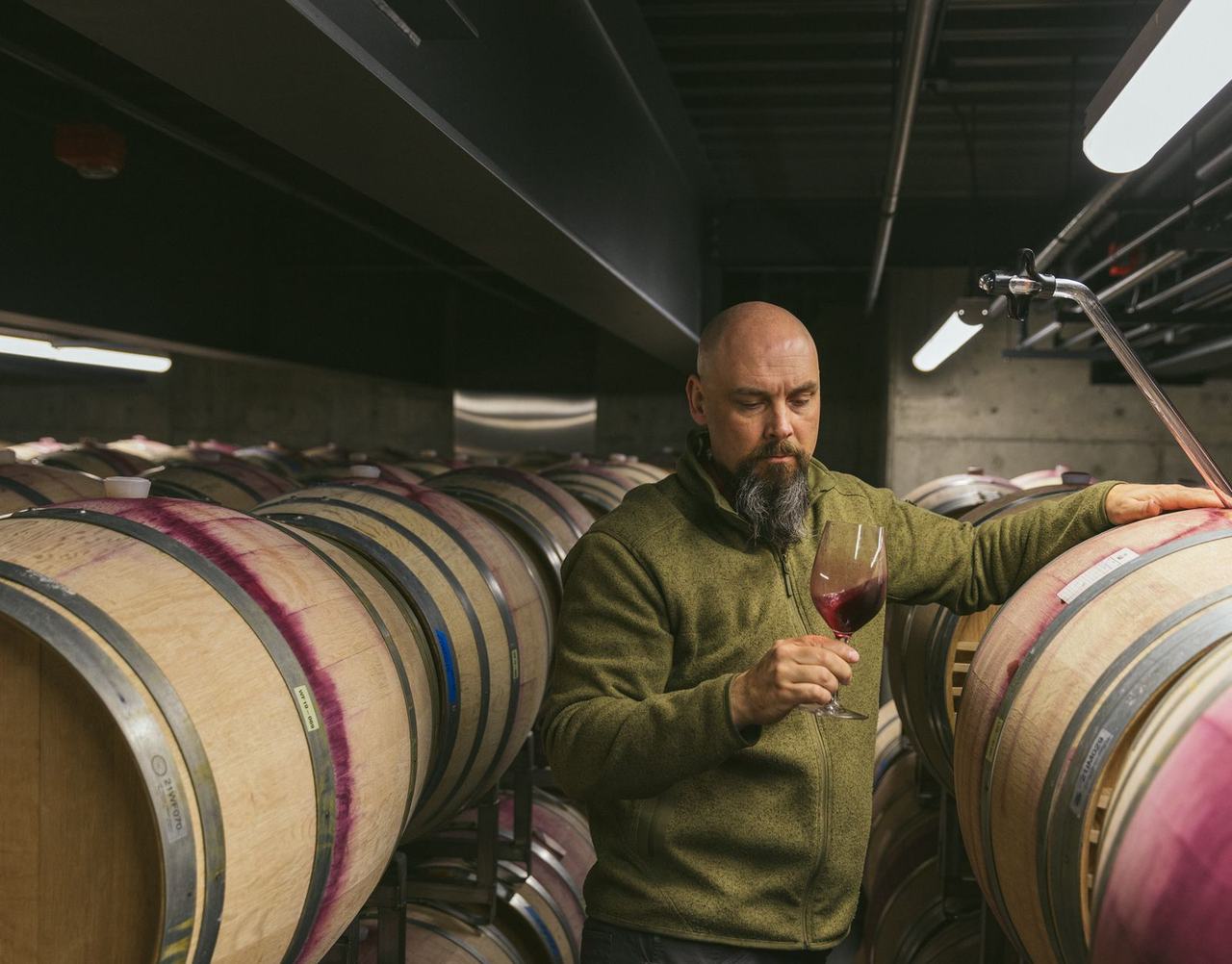
A famous Heitz vineyard, given back its own name.
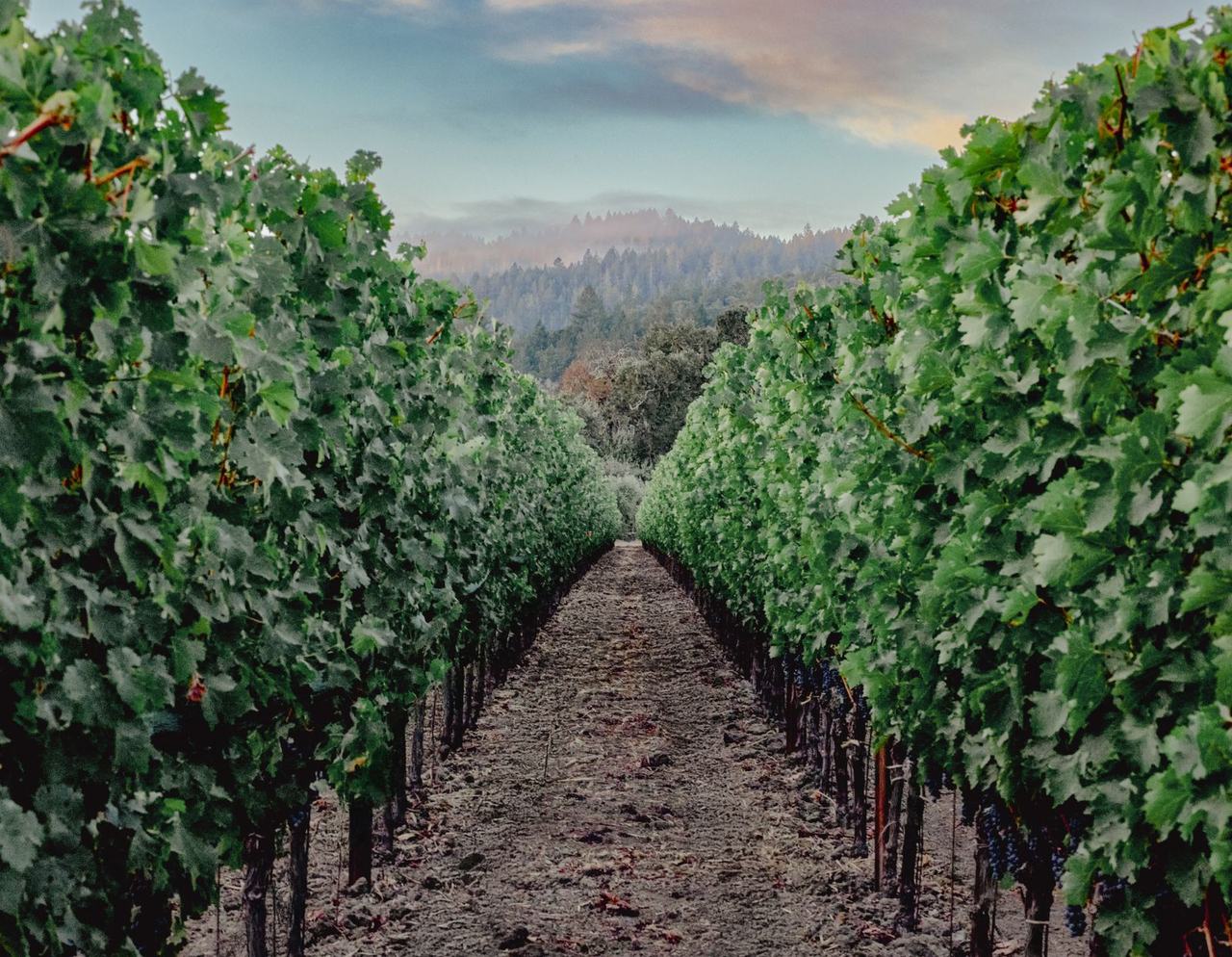
For thirty-odd years Bella Oaks was a name on someone else’s label. Heitz Cellar bottled it as a vineyard designate from the 1970s until 2007, next to Martha’s Vineyard, and collectors still open those old bottles. The thirteen acres of Cabernet on the west side of Rutherford were planted by Barney and Belle Rhodes, the same couple who had owned the Oakville land that became Martha’s Vineyard. Few people in Napa can claim to have planted two of the valley’s great single-vineyard Cabernets. They could.
When Suzanne Deal Booth bought the property in 2010 she could have simply traded on that history. She replanted it instead, under David Abreu, converted it to organic and biodynamic farming, and waited the better part of a decade before putting the estate’s own name on a bottle. Nigel Kinsman makes the wine; Michel Rolland does the final blending. The first Proprietary Red was the 2017.
There are two reds. Le Génie is Cabernet from the younger vines, generous early. The Estate Proprietary Red is the serious one, mostly Cabernet with a little Cabernet Franc, about twenty-one months in mostly new French oak, which it carries without strain. That is the test, and Bella Oaks passes it because the ground is good. Everyone involved seems to know the vineyard is the point.
02 · Barney and BelleThe doctor and the cook who planted it.
Barney Rhodes was a dermatologist who ended up running Kaiser Permanente; Belle cooked, taught and entertained. They first came to Napa after the war and in 1954 bought forty-four acres in Oakville, which they later sold to Tom and Martha May. In 1959 they bought the Rutherford land that became Bella Oaks and planted it entirely to Cabernet Sauvignon. Joe Heitz took the grapes and put the vineyard’s name on the label, as he did for the Mays.
The Rhodes were at the centre of the valley’s early food and wine life. Barney was the founding president of the Napa Valley Wine Library Association in 1963; Belle helped start the Napa Valley Cooking Classes in 1972; their house on the vineyard had a cellar of more than ten thousand bottles and a long list of guests who cooked in its kitchen, Julia Child among them. The tasting room at the Culinary Institute of America at Greystone carries their names. Belle died in 2007 and Barney in 2008, the year after the last Heitz Bella Oaks.
The vineyard passed briefly to the Gargiulo family before Suzanne Deal Booth bought it. From 2011 to 2015, while the new plantings grew up, the fruit went to her neighbours the Staglins, who bottled it as Booth Bella Oaks.
03 · The Rutherford BenchGravel off the Mayacamas, and a vineyard rebuilt row by row.
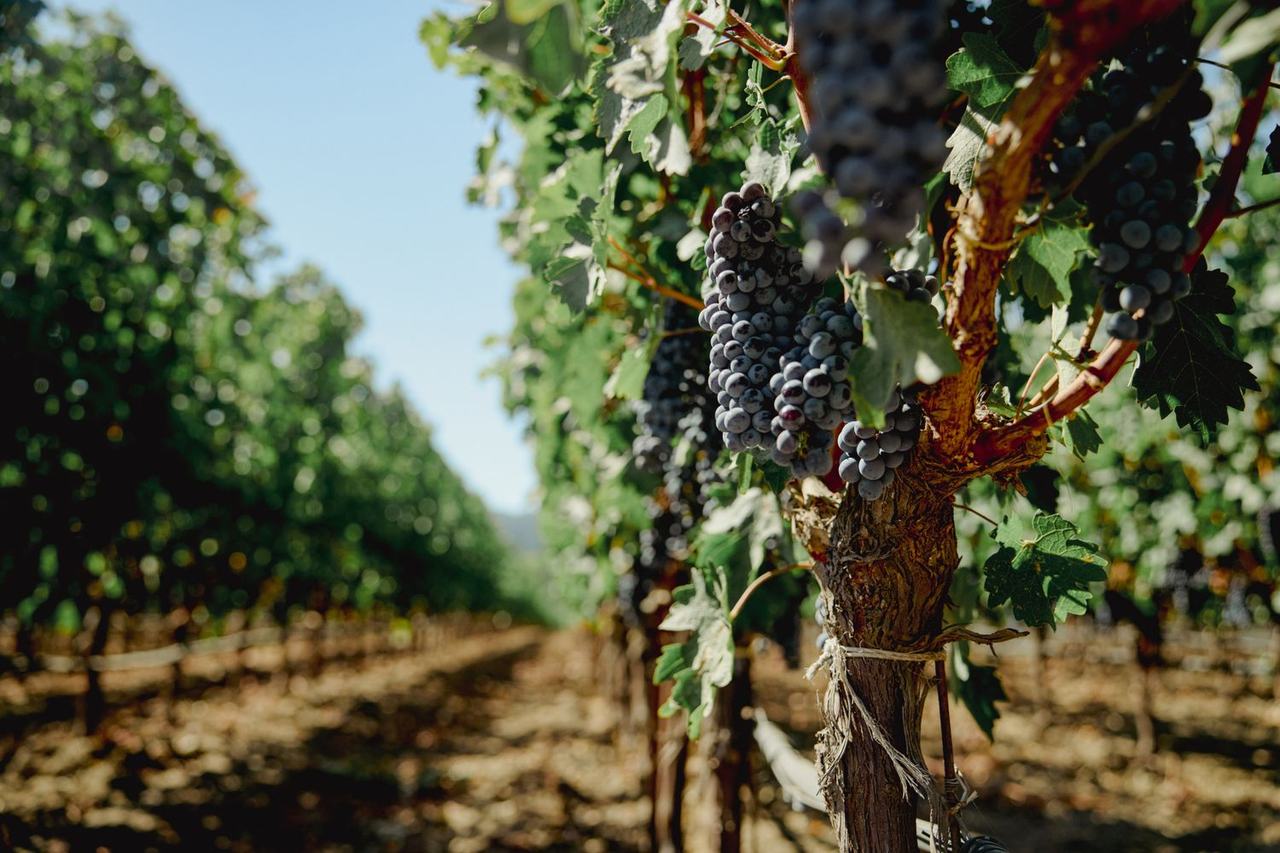
Bella Oaks sits on the Rutherford Bench, the gentle slope between the valley floor and the Mayacamas Mountains where Napa first learned that one patch of ground could taste different from the next. The neighbours are Staglin, Scarecrow and Morisoli. The soils are alluvial: dark gravel and clay loams washed down from the mountains, over old volcanic rock, deep enough to feed a vine and free-draining enough to keep it honest. Frank Prial wrote about the place in The New York Times in 1991, and his line is still the estate’s favourite.
Rutherford is the middle of the valley in every sense. The floor is wide and sunny, the bay breezes reach it in the afternoon, and the alluvial fans coming off the Mayacamas drain well. André Tchelistcheff called the result Rutherford dust, the fine, cocoa-dry tannin the best wines of the bench share. The Proprietary Red has it; the Napa Wine Project found gravelly, chalky tannins in the 2023.
David Abreu, who farms for many of Napa’s most sought-after Cabernets, began the replanting in 2010 and 2011. He changed the row orientation, kept the vineyard mostly Cabernet Sauvignon and added small sections of Cabernet Franc and Petit Verdot. The estate now runs to about forty-four acres, roughly half of it planted, including nineteen adjoining acres of the old Fahrig Ranch. The vineyard was certified organic by CCOF in 2019 and is farmed biodynamically, with some two hundred olive trees and a good deal of art among the vines.
There is little question that the soils here are special.
Frank J. Prial, The New York Times, 1991
04 · Kinsman and RollandTwo Cabernets and a first white, from a small cellar.
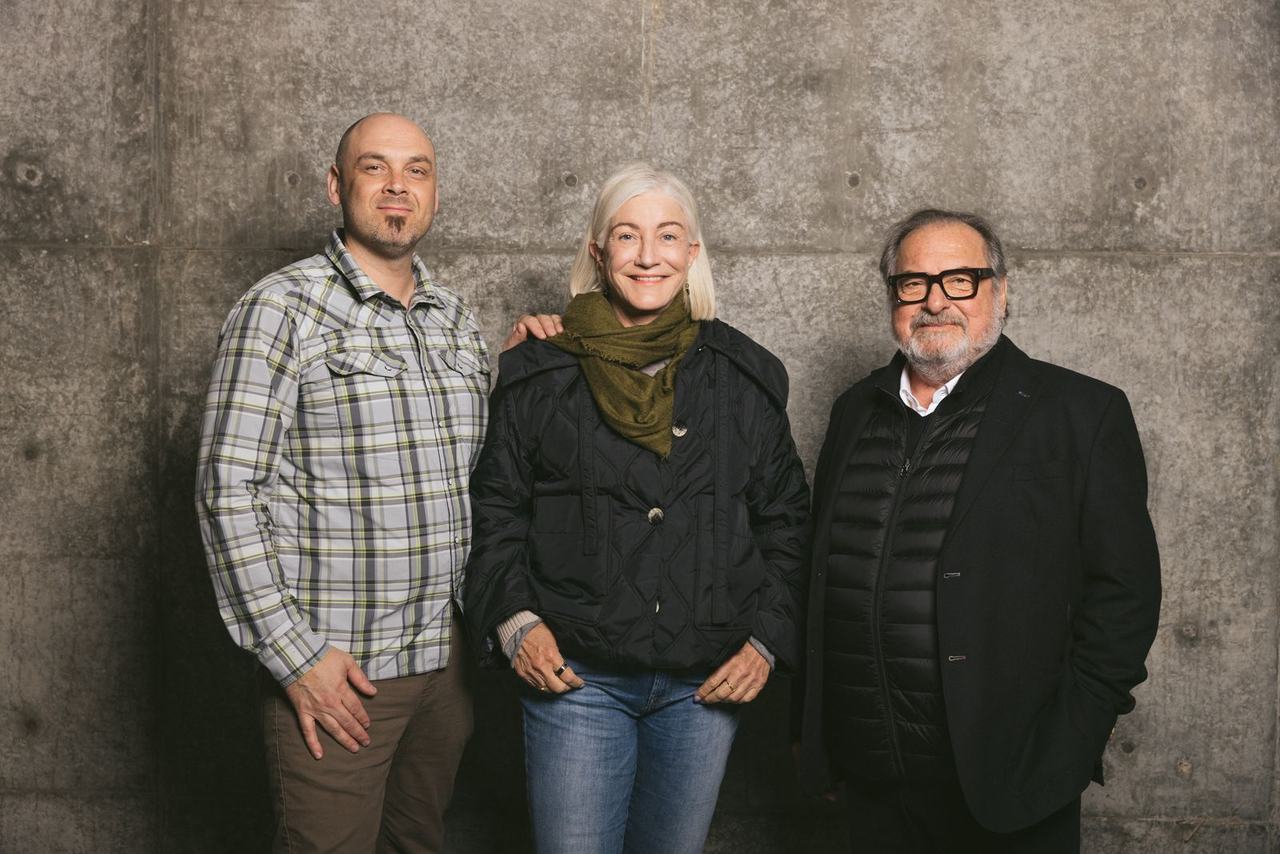
Nigel Kinsman has made every vintage since 2017. He and his wife Shae, now the general manager, had bought a bottle of 1976 Heitz Bella Oaks shortly before Suzanne Deal Booth asked him to take on the winemaking. Michel Rolland, the Bordeaux consultant, makes the final assemblage with him. The wine is now made at Wheeler Farms in St. Helena, which Booth bought from the Araujo family in 2024.
Production is about a thousand cases a year, nearly all of it the two reds. The Proprietary Red in our 2019 is 93 percent Cabernet Sauvignon and 7 percent Cabernet Franc, co-fermented, with twenty-one months in 70 percent new French oak; 444 cases were made. Le Génie 2022 is all Cabernet from the younger estate vines, with twenty-two months in 68 percent new oak. The estate says plainly that Le Génie does not demand cellaring, which is a rare thing for a Napa winery to admit about anything. The Red does want time, and repays it.
Le Génie shares its name with the Max Ernst bronze that stands on the estate, Le Génie de la Bastille. The label carries the labyrinth set under a ring of old olive trees, laid in stones from Dublin, Boston and Montana and drawn from the medieval pattern at Chartres.
There is also, from 2024, a first white: Sauvignon Blanc and Sauvignon Musqué from a single acre of the estate.
05 · Fifty years onThe old wines say the site ages. The new ones say it still can.
In 2023 the estate marked fifty years since the first plantings with a dinner in New York, opening bottles back to 1976; the people who were there remarked on how well the old Heitz wines had held. Decanter published a fifteen-vintage retrospective the same year. Wine Spectator listed Bella Oaks among its wineries to watch in 2021, and the line the estate itself quotes is Antonio Galloni’s.
Suzanne Deal Booth is an art historian and conservator by training, and the vineyard is run as a preservation project as much as a business: twelve site-specific works by artists from Yayoi Kusama to Robert Irwin stand among the vines, and in 2025 she gave ten million dollars to the World Monuments Fund for an institute of heritage preservation. That instinct suits an old vineyard. She has kept the name, rebuilt the vines, and let the wine take its time.
Our advice is the same as for any great Rutherford site. Open Le Génie now. Put the Proprietary Red away and wait.
A majestic and totally riveting wine.
Antonio Galloni
In the vineyard
& cellar.
- Vineyard
- Bella Oaks, west Rutherford, on the Rutherford Bench · ~44 acres, about half planted
- History
- Planted by Barney and Belle Rhodes · Heitz Cellar vineyard designate until 2007 · Suzanne Deal Booth since 2010
- Soil
- Alluvial dark gravel and clay loams over old volcanic rock
- Vines
- Cabernet Sauvignon, with Cabernet Franc and Petit Verdot · replanted from 2010 by David Abreu
- Farming
- Certified organic (CCOF, 2019) · biodynamic
- Cellar
- Nigel Kinsman, winemaker since 2017 · Michel Rolland, blending · ~1,000 cases a year
- Élevage
- 21–22 months in French oak, about 70% new