
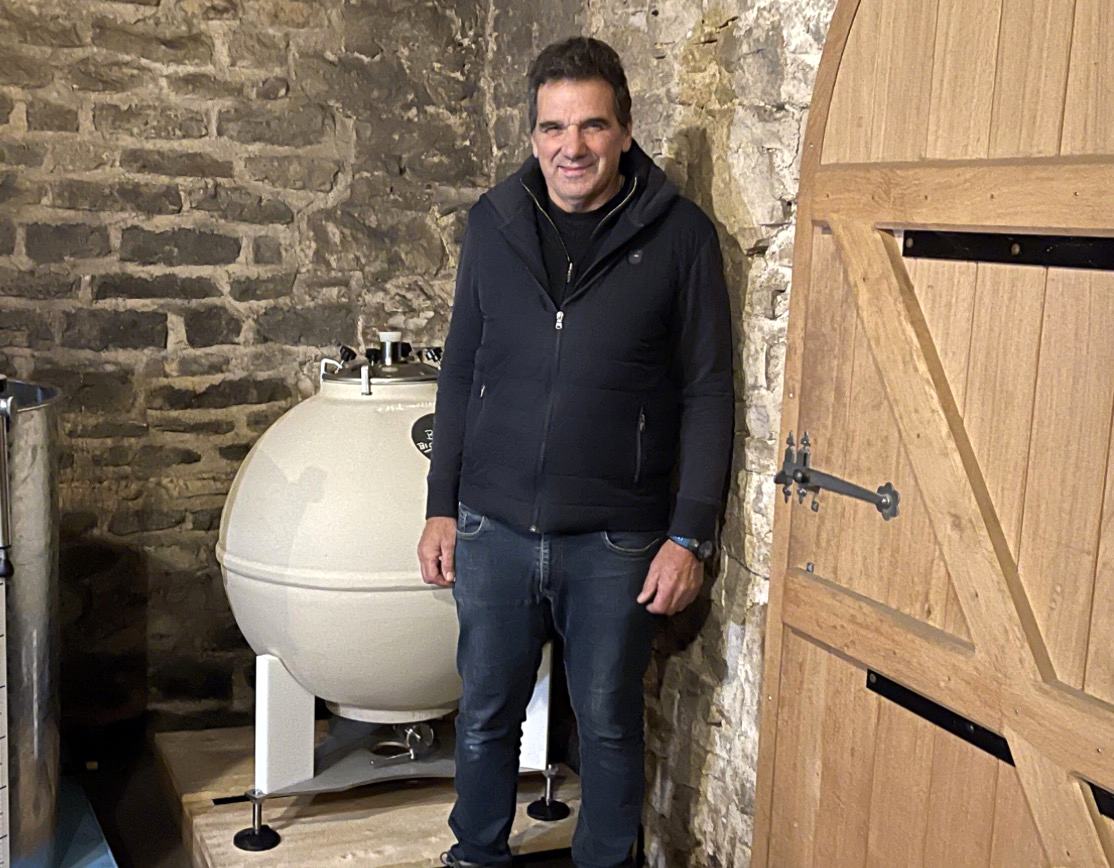
He has one life and this is what he wants to do with the end of it.
For nearly twenty years he was the man who decided how one of Burgundy's largest groups farmed its vines: head of viticulture, the person other people phoned. In 2009 he started making a little wine of his own, and it turns out that when a great viticulturist finally answers only to himself you get about fifteen thousand bottles a year of something very personal indeed. Eight or ten cuvées, tiny parcels, biodynamic, minimal intervention, plenty of whole cluster. He isn't building a brand; he has one life and this is what he wants to do with the end of it.
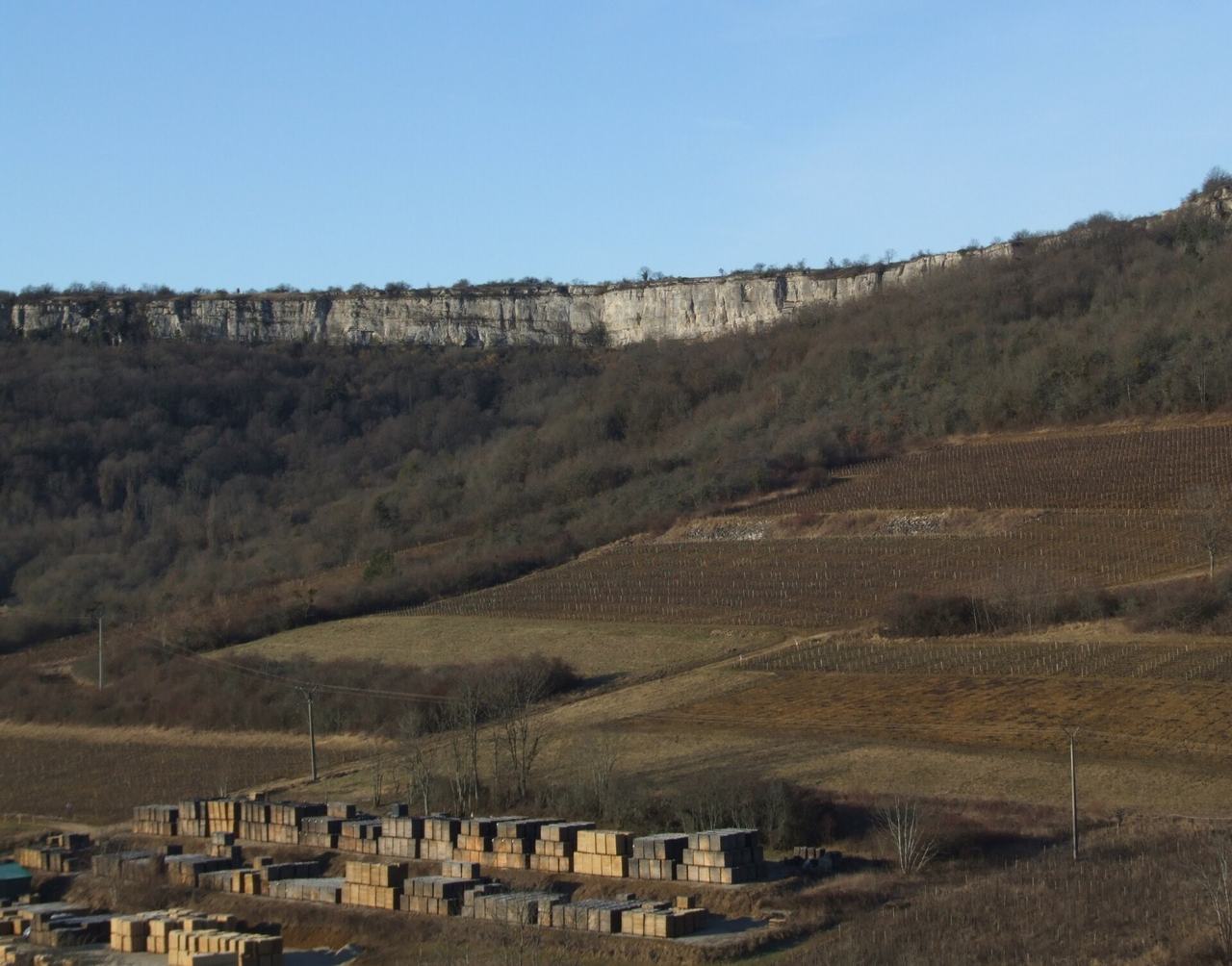
02 · Mr OrganicPuglia, Lyon, the Beaujolais cellars, and eighteen years deciding how Boisset farmed.
Both his parents were Italian, from Puglia, where the family farmed a bit of everything including vines; they moved to Lyon, where his father worked in construction, and at seventeen Bernard went to work in Beaujolais cellars. In 1982 he enrolled at the viticultural school in Beaune and settled in Burgundy the next year, worked for Jean Guiton in Bligny and then, from 1987, for Boisset, where for eighteen years he was responsible for the viticulture of the whole group’s domaines. His first organic trials there were in 1990, when the word was still a joke in the Côte; in 1985 he had helped Pascal Marchand turn the Clos des Epeneaux at Comte Armand organic almost overnight, and when Boisset created Domaine de la Vougeraie in 1999, pulling thirty-five hectares of family vineyards together, it was Marchand in the cellar and Zito in the vines who made it organic and then biodynamic, the first big house in Burgundy to say so out loud. Jasper Morris’s account of Vougeraie gives him the credit without fuss. He left in 2005 because, he says, he “managed too much at Boisset” and wanted to make wine himself.
What he did next made him, in Steen Öhman’s phrase, “the Swiss Army knife of the Burgundy wine world”: from 2008 a consultant and courtier working only with organic and biodynamic estates, running the biodynamic programme that took the Comte Liger-Belair to certification in 2012, advising Charles Lachaux at Arnoux-Lachaux and a short list of others he does not publish. The trade calls him Mr Organic. The wine of his own began in 2009, vinified first in Nuits and then in the shared cellar at the Château de Bligny-lès-Beaune that Dominique Lafon and Pierre Meurgey set up for a dozen small producers. He owns no vines. He rents about sixty ares and buys the rest from growers he has advised for years, picks the bought fruit himself, mornings only, and is not certified (“administratively complicated” in a shared cellar), though the label says plainly cultivés sans aucun produit de synthèse. Most of it goes to New York.
Bernard Zito is one of the foremost viticulturalists in Burgundy.
Bill Nanson, Burgundy Report
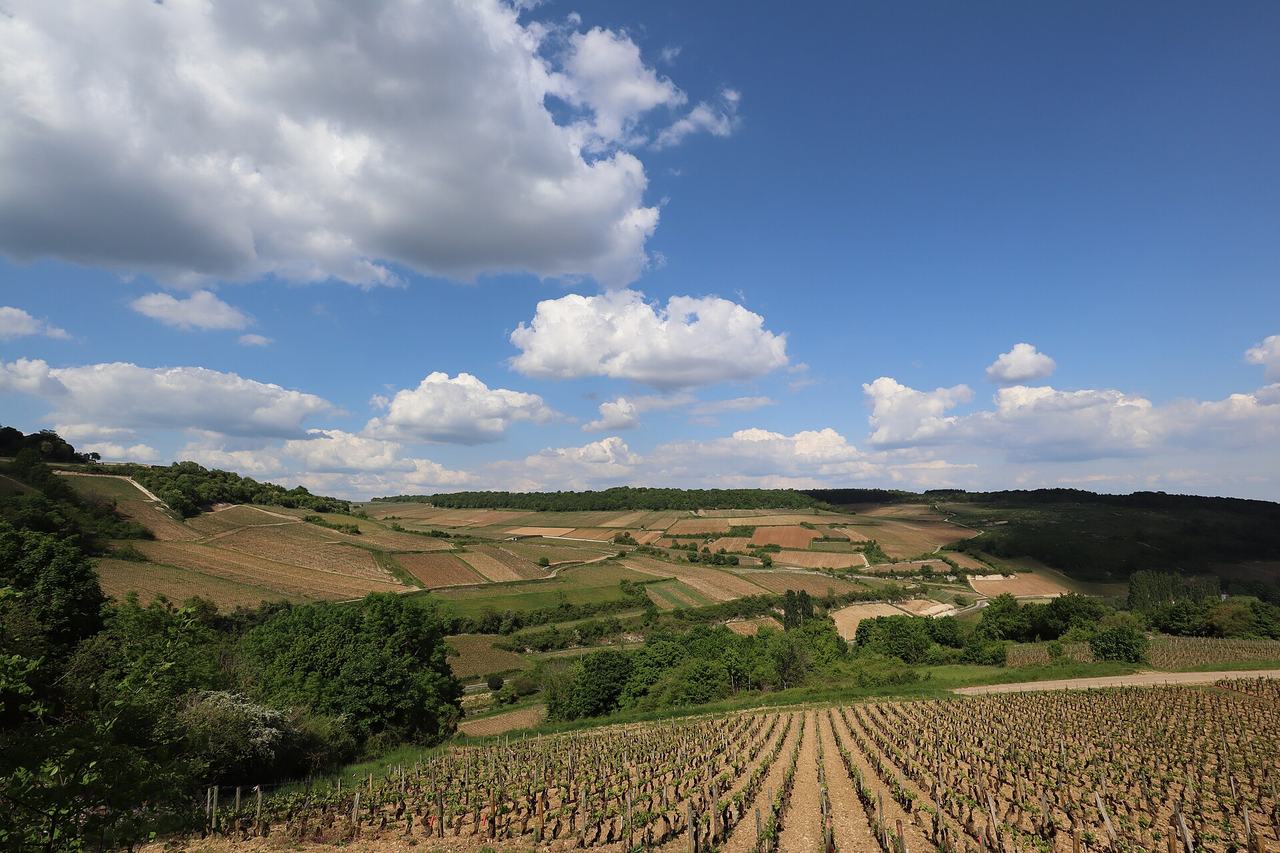
03 · Scraps of the whole CôteTuvilains, Saint-Romain, a Vosne lieu-dit, and Gamay from three places.
The range is what a man with forty years of friendships in the vines can assemble by the barrel, and it changes with the harvest. Off the top of the slope in Beaune, Les Tuvilains, ninety-year vines in a premier cru nobody bottles alone, three hundred and fifty bottles. In Saint-Romain, seventy-year vines in La Périère, red and white, rented. In Savigny, a few rows of Ez Connardises. In the Côte de Nuits, a rented piece of Vosne-Romanée Vigneux; a Coteaux Bourguignons from En Bollerie at Flagey, across the road from the Clos de Vougeot; Hautes-Côtes de Nuits red from a parcel at 380 metres above Corgoloin and white from Les Dames Huguettes; a Côte de Nuits-Villages white from La Toppe Cîteau; lately a Marsannay blanc from Les Crais raised in ceramic. Then south: a Bourgogne Pinot called Croteau from a plot at 350 metres in a combe near Mercurey on iron-red clay; another, La Bussière, from 1961 vines at Clessé in the Mâconnais; an Aligoté from several plots in Saint-Romain; and a Gamay that blends Côte de Brouilly, Clessé and a scrap of old Flagey Gamay, which is the Beaujolais cellar hand still in him.
04 · No cooling, no fuss“I don’t like reduction and I don’t like too tannic wines.”
The vines are farmed as he has told everyone else to farm theirs for thirty years: ploughed, no synthetic anything, biodynamic by conviction and without the certificate. In the cellar there is no cooling, so there is no cold soak; the grapes go in and start on their own. Whole clusters by parcel and year: a tenth to a third as a rule, sixty per cent in the Tuvilains in 2022, all of it in the Coteaux Bourguignons and the Côte de Brouilly. The whole bunches are laid at the bottom of the vat under the destemmed fruit, and only the top of the cap is punched down. Ten to fifteen days, the fermentation finished with the sugar in the press wine. Little new oak; steel for the Aligoté and the Gamay; since 2021 some ceramic, capped at a fifth of the production because he finds it “ecologically interesting.” Sulphur only after the malolactic, which “usually finishes quickly,” and very little of it. Two bottlings a year, usually. His own rules for the glass: “I don’t like reduction and I don’t like too tannic wines. I like a discreet entry but a flavour that holds.” Drinkable young; built for fifteen years.
I like a discreet entry but a flavour that holds.
Bernard Zito
05 · What they say“The Swiss Army knife of the Burgundy wine world.”
Sarah Marsh MW in The World of Fine Wine, 92 on the 2020 Beaune Tuvilains: “Exotically perfumed, with heady purple aromas which envelop the palate. It is soft, full, airy, and gentle, with a light, lacy texture and a fine line of freshness lifting the finish.” Bill Nanson, who tasted the 2021s and 2022s at Bligny: “one of the foremost viticulturalists in Burgundy,” the 2021 Tuvilains focused, linear and chalky and his favourite of the range, the Hautes-Côtes a great basic Bourgogne. Steen Öhman of Winehog, who called him one of the discoveries of 2017 and the wines “magnificent”: the 2022 Coteaux Bourguignons “fresh, vivid, elegant, floral for its level,” the Gamay “a vin de soif with decadent fruit.” None of the glossy American magazines has found him, which suits everyone concerned.
A page like this usually ends with a sales line. This one is simpler: the man who taught half the Côte to farm organically makes fifteen thousand bottles a year and most of them come here. Ask.
Exotically perfumed… a light, lacy texture and a fine line of freshness lifting the finish.
Sarah Marsh MW, on the 2020 Beaune 1er Cru Les Tuvilains
In the vineyard
& cellar.
- Holding
- No vines owned; about sixty ares rented (Saint-Romain La Périère, Beaune Les Prévoles, Vosne Vigneux, Coteaux Bourguignons) and the rest bought from organic and biodynamic growers he advises; 8–15,000 bottles depending on the year, in eight to ten cuvées
- Since
- Boisset group head of viticulture 1987–2005 (Domaine de la Vougeraie’s organic and biodynamic conversion); consultant and courtier from 2008; own wines from 2009, made at the Château de Bligny-lès-Beaune
- Farming
- No synthetic products, soils ploughed, biodynamic practice, uncertified; bought fruit picked by him in the mornings
- Vinification
- No cooling, no cold soak; indigenous yeasts; whole bunches 10–100% by cuvée laid under destemmed fruit; punch-down of the cap top only; 10–15 days; fermentation finished on the press wine
- Élevage
- Little new oak; steel for Aligoté and Gamay; up to a fifth in ceramic since 2021; sulphur only after malo, in small doses; two bottlings a year