
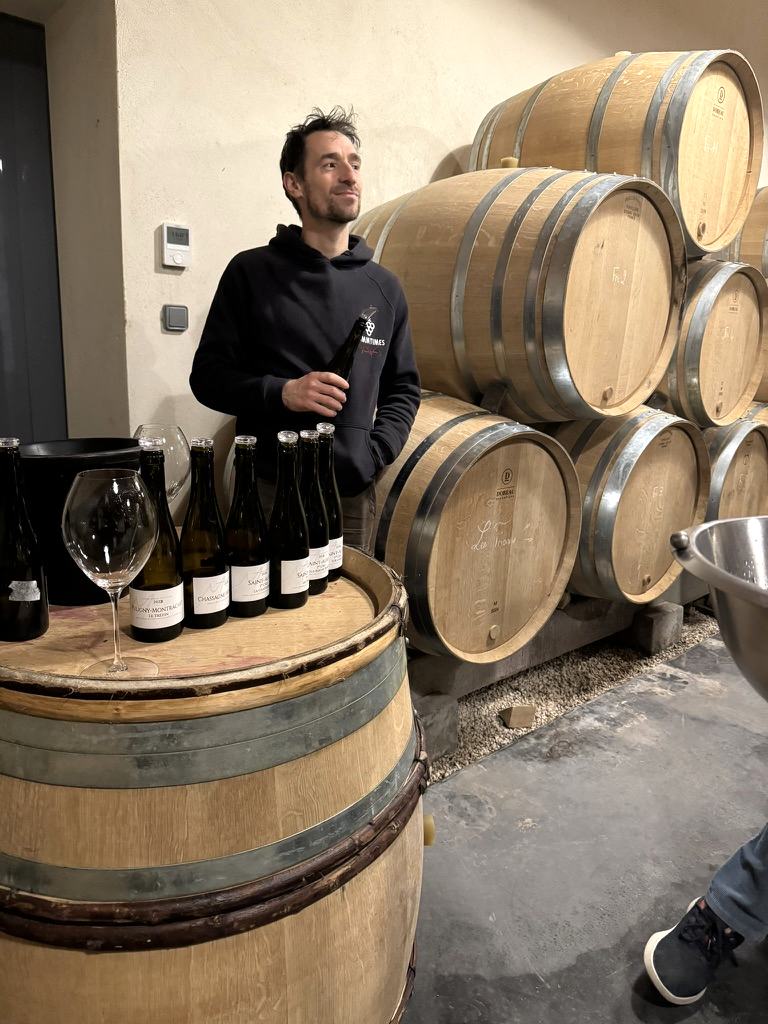
What a generational handover looks like when it goes right.
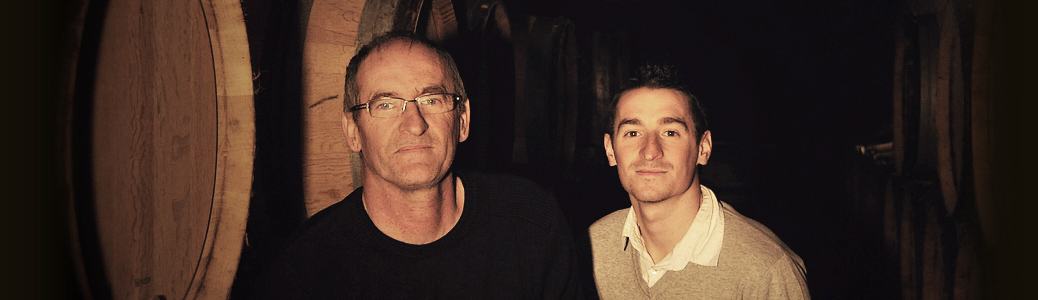
Family vines going back a hundred and fifty years, though nobody bottled a drop until 1983; before that it all went off in bulk, as most of the village's did. Ten hectares, twenty-seven thousand bottles, and a fourth generation, Florent, who since 2015 has torn up the manual: gentler soil work, lower planting density, lower yields, no punching down. The results are startling: fresher, more mineral and more electric than anything the domaine made before.
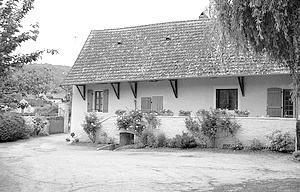
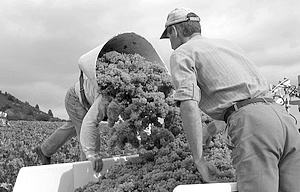
02 · The hamlet of GamayGrapes sold at the harvest, then a first bottling in 1983 “to the family’s great pride.”
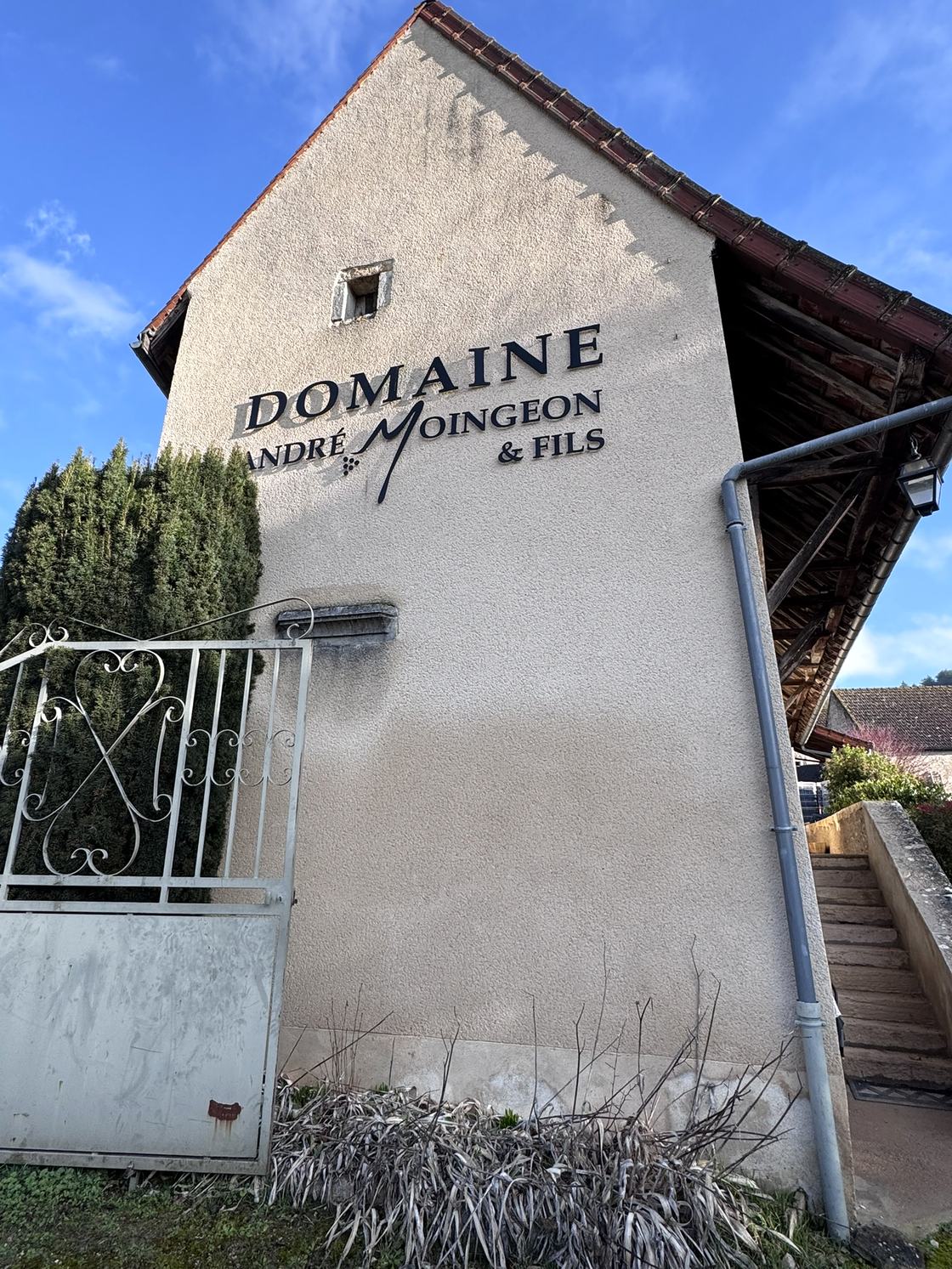
The domaine sits in Gamay, the hamlet at the mouth of the Saint-Aubin combe that gave the grape its name, and some of its parcels have been in the family for a hundred and fifty years. André Moingeon and his wife Yvette took over a few hectares in the 1950s, when “not a bottle was yet produced and everything was sold at the harvest.” Michel, the elder son, began in 1978; Gérard, the younger, in 1983, and that year the three men founded the company and made the first vinifications and the first bottles, “to the family’s great pride.” Through the nineties, as André stepped back, the brothers bought and planted (thirty ares of La Châtenière in 2003) and reached twenty thousand bottles. Gérard died in 2007; a Cuvée Gérard of the Châtenière, held longer in barrel, carries his name.
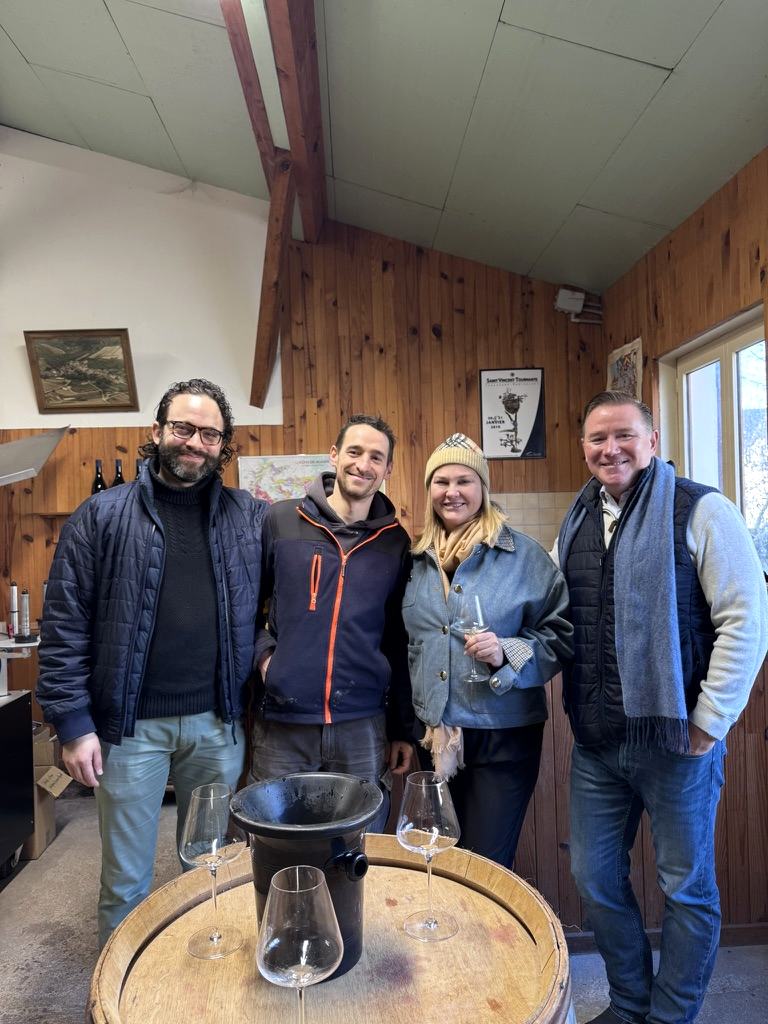
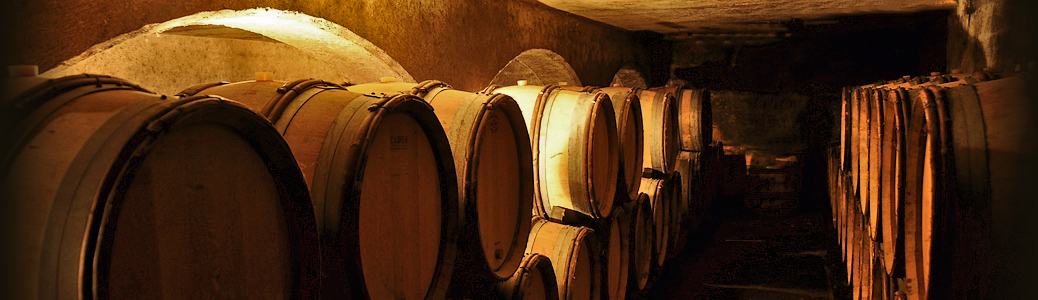
Florent, Michel’s son, born 1989, came back from his viticulture-oenology diploma in 2009 and took the cellar in 2011. What the essay above calls tearing up the manual happened over the next decade rather than at once: herbicide gone from 2012, ploughing “as the spearhead,” lower-density plantings, fierce de-budding, no punch-downs, and a new temperature-controlled cuverie in 2015. The old cellar could not hold what they grew, and grapes were still going to the négoce for want of space; the new one let the whites be raised properly and the whole crop kept at home. In 2016 two parcels that had always been sold, Sous Roche Dumay and Les Champlots, were bottled for the first time. Organic trials on the Châtenière from 2020, with certification in view; Florent’s line on it: “you don’t just jump into organics like that.” Michel is still at the tastings.
On ne se lance pas comme ça en bio !
Florent Moingeon
03 · Saint-Aubin, both sidesSur Gamay above the hamlet, Frionnes in the cold combe, Châtenière on the chestnut slope.
Saint-Aubin’s premiers crus split between the Chassagne side of the combe and the Puligny side, and the Moingeons have both. Above the hamlet, Sur Gamay is ninety-five ares mid-slope facing south-south-west on stony clay-limestone (Michel’s “the one that tastes best young”), and beside it the two south-facing parcels of old Pinot that make the Saint-Aubin rouge Vieilles Vignes and the steep sixty-four ares of En Créot. Les Frionnes is the cold one: eighty-four ares at the bottom of the combe where the north wind blows, the name from froid, fine deep clay-limestone, the first cuvée Florent gave the long élevage. La Châtenière, along the combe toward Puligny where the chestnuts once grew, is sixty ares in four pieces on a very steep south-south-west slope, the richest white in the house and the one the Hachette crowned. Sous Roche Dumay is the highest premier cru in the village at four hundred metres, forty-year vines on limestone scree under the wood; Les Champlots on the Puligny side was planted in 2011; Le Charmois on the Chassagne side has been bottled since 2013, and Florent planted a new walled parcel in 2019.
Over the ridge: a hectare and a half of Puligny-Montrachet in Le Trézin, high above Blagny on white soil, vines from 1952 to 1962; forty-three ares of Puligny 1er Cru La Garenne on the steep Blagny sector; Blagny Le Trézin rouge from the same hill, “the Puligny rouge,” as Michel calls it; and in Chassagne a young white village parcel and the 1er Cru Les Vergers.
04 · Tension and timeEighteen months for the whites, no punch-downs for the reds.
Viticulture raisonnée with the chemistry pushed to the minimum and the soil worked hard; yields held down by pruning and de-budding; the canopy managed for shade in the hot years; hand harvest at full ripeness; “oenological inputs kept to a minimum!” Florent’s most visible change is time. Until 2017 the whites were bottled the August before the next harvest; now the premiers crus get a year in barrel, about a fifth new, and six months more in tank (eighteen months in all, “for more tension and homogeneity”), and bottling has moved to the spring of the second year, with the ambition to give all seven hectares of Chardonnay the same. The reds are raised eighteen months too, twelve in oak, and are never punched down; the Blagny goes in a quarter whole-bunch, the bunches layered through the vat en millefeuille. The Irish importer who found them first described the style as “strikingly fresh, clean, energetic… a mouth-watering edginess that smacks of flint, crushed stones and residual sea brine,” and added, which is the whole case, that “pricing for the quality is remarkably fair.”
Intrants œnologiques au minimum !
Florent Moingeon
05 · What they say“Le domaine gravit les marches de l’appellation quatre à quatre.”
The Guide Hachette has given the house two coups de cœur: the 2009 Sur Gamay (“white flowers, citrus and yellow fruit with the minerality of the terroir and a subtle oak… citrus prolonged in a lively attack, balanced by the roundness of the fruit, and persisting long”) and the 2012 Châtenière, introduced with Rabelais: “jamais homme noble ne hait le bon vin. Nobility this premier cru does not lack… power and firmness, but also the unctuousness characteristic of the appellation.” Jasper Morris MW on the 2023 La Garenne, 93: “clearly a high-ground Puligny on the palate but there is quite a lot more flesh here and fine length,” and on the Trézin, 91, “plenty of detail from this upper hillside site, pure white fruit, a little bit saline.” Guillaume Baroin of Les Buvologues, on the 2022s: “a range of great homogeneity, in red as in white. Terroirs already in place, generous fruit, depth of juice: the domaine is climbing the appellation’s stairs four at a time!” His coup de cœur went to the Garenne, “ample, fresh, and finishing fiery as a torrent of Chardonnay,” and “a great bottle” for the Blagny rouge.
Saint-Aubin at this level, from the hamlet of Gamay, at these prices: that is the handover going right.
Le domaine gravit les marches de l’appellation quatre à quatre !
Guillaume Baroin, Les Buvologues
In the vineyard
& cellar.
- Holding
- About ten hectares, seven of Chardonnay: Saint-Aubin 1ers crus Sur Gamay, Les Frionnes, La Châtenière, Le Charmois, Les Champlots, Sous Roche Dumay, En Créot and the old-vine rouge; Puligny-Montrachet Le Trézin and 1er Cru La Garenne; Blagny rouge; Chassagne blanc and 1er Cru Les Vergers; Aligoté; 25–30,000 bottles
- Since
- Parcels in the family ~150 years; André and Yvette from the 1950s; Michel from 1978, Gérard 1983, first bottling 1983; Florent from 2009, in the cellar from 2011; new cuverie 2015
- Farming
- Viticulture raisonnée, no herbicide since 2012, soils ploughed; low yields by pruning and de-budding; lower-density new plantings; organic trials from 2020; hand harvest
- Whites
- Premiers crus a year in barrel (about 20% new) and six months in tank (eighteen months in all), bottled the second spring
- Reds
- No punch-downs; some whole bunch layered in the vat; eighteen months, twelve in oak