
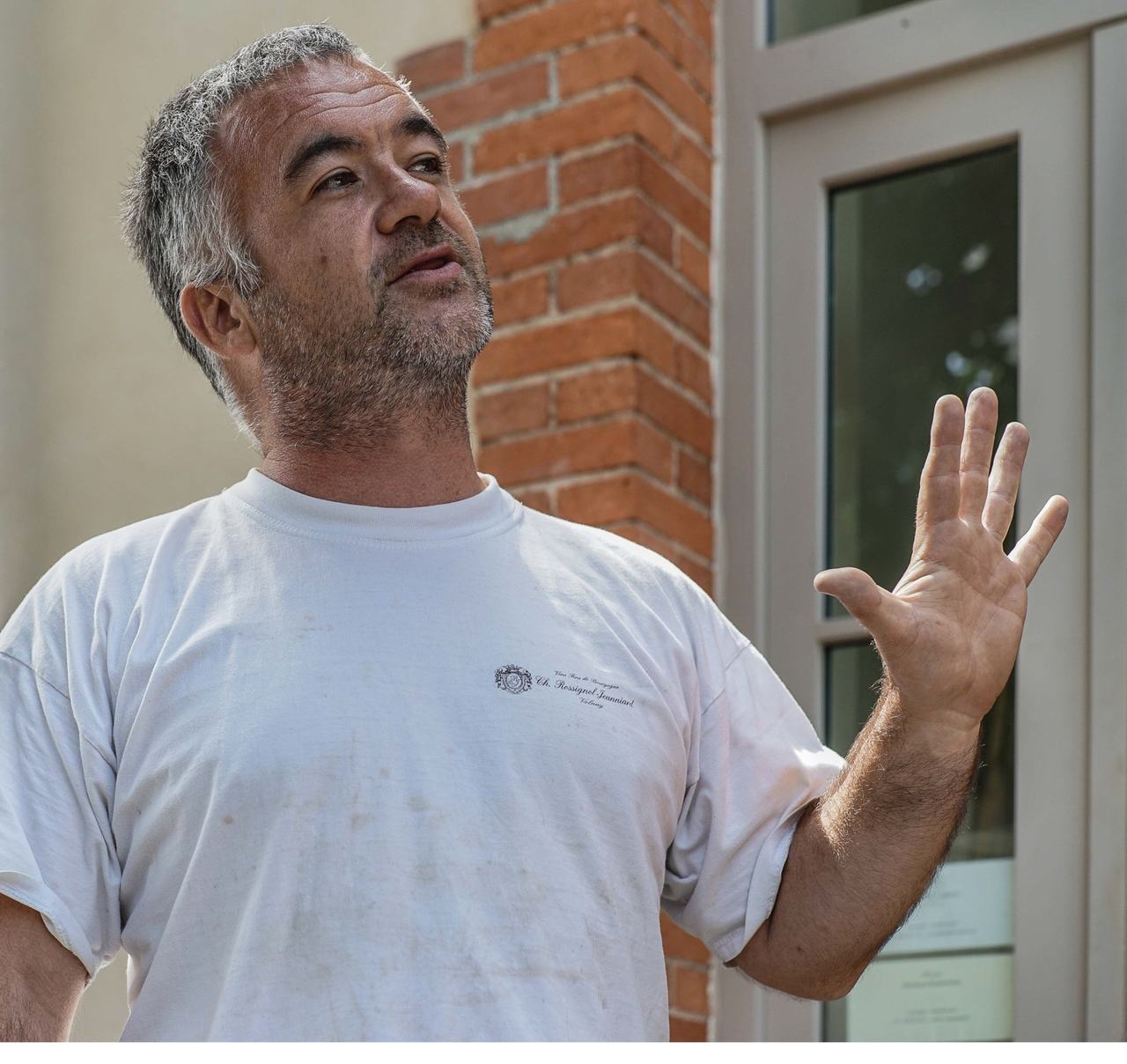
Fifth generation, and he left.
Fifth generation of Volnay growers, and he left. Started again in 1997 with three hectares of his own and built out from there (Volnay, Pommard, Beaune, Aloxe-Corton, Pernand) until by 2011 everything carried his own name and nobody else's. Leaving a family domaine is an act with consequences in a village this small; you don't do it unless you have something you need to say. Lately he's added three and a half hectares in the Beaujolais crus, vines an old grower with no successor offered him out of the blue. At his age and standing that is enthusiasm, not a hedge. Brouilly, Morgon, Moulin-à-Vent, made with a Volnay grower's hands, which is meant literally: no carbonic maceration, the Chavannes and the Morgon fully destemmed, and a year or more in barrel, exactly as he makes his Pinot Noir.
02 · A year’s trialFourteen, with his grandfather, and something changed.
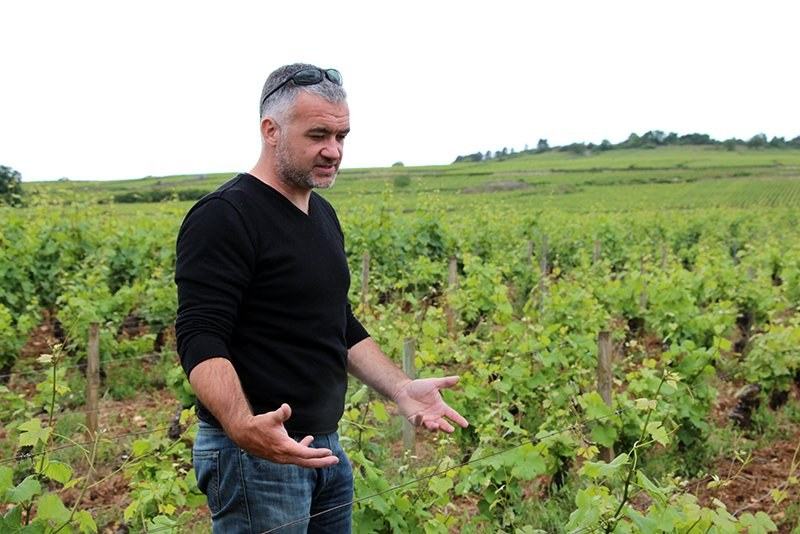
Nicolas Rossignol was born in Volnay in 1974 into the Rossignol-Jeanniard family, and at fourteen his father made him a deal: a year in the vines with his grandfather, and then he could decide. “After a year,” he says, “I felt that something had changed inside me.” He went to the Lycée Viticole in Beaune, and then he went everywhere a young Burgundian could go to learn what Burgundy does not teach: Joseph Voillot in Volnay, the mentor; Louis Latour’s vines in the Ardèche; Vieux Télégraphe in Châteauneuf; Boschendal in South Africa in 1995; Château La Cardonne in the Médoc, run by the Lafite-Rothschild people. He was making the family’s wine from 1994, at twenty.
In 1997 he took three hectares inherited from an uncle (Volnay, Pommard, Beaune, Aloxe, Pernand) and put his own name on them. That is the leaving the essay above describes. For fourteen years the family vines and his own ran side by side; in 2005 he added Savigny Fourneaux and Lavières and Beaune Clos du Roy from Robert Ampeau; and in 2011 the two domaines became one, Domaine Nicolas Rossignol, thirty appellations, with the cellar moved out of a cramped Volnay building into Benjamin Leroux’s premises on the Beaune ring road. In 2016 he built his own: a sustainably designed winery on the edge of Beaune with a roof you can stand on and see every vineyard he farms. At thirty-three he had already been honoured at the New York Wine Experience, where Bruce Sanderson called him “Burgundy’s latest vanguard.”
I am looking for the truth; searching for purity and the expression of the soil.
Nicolas Rossignol
03 · Thirty wines“By making many different wines you learn more, and you learn quicker.”
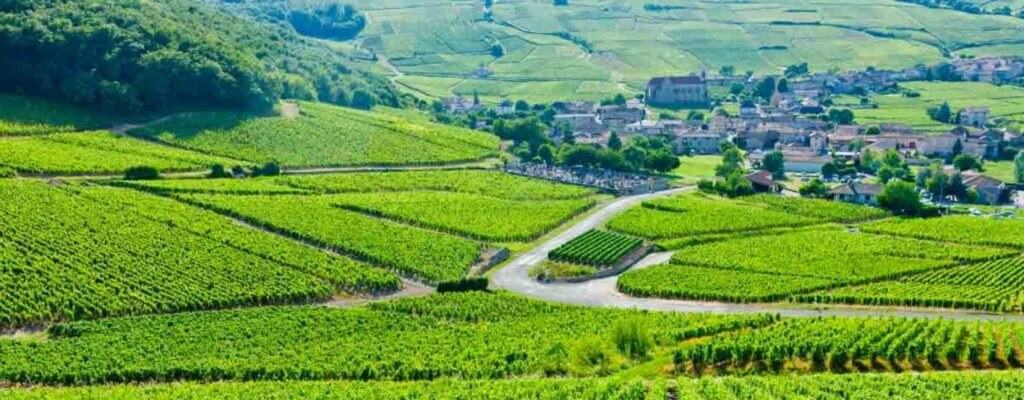
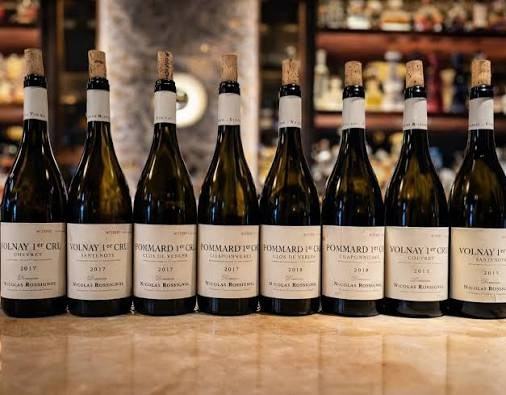
Seventeen to twenty hectares, depending on who is counting, and close to thirty wines from them, because each one teaches him something. Nicolas’s line: “I find it interesting to have thirty different wines. By making many different wines you learn more, and you learn quicker.” Volnay alone gives him the village and seven premiers crus: Frémiets, red stony soil; Clos des Angles, the roundest and most open, sixty-five-year vines; Santenots, the deep red soil at the bottom that drinks like the Côte de Nuits; Ronceret, fifteen centimetres of poor pale rock: “my baby, a cru I love”; Chevret, planted 1946 and 1956, clay and pebbles; Cailleret, his grandparents’ vines, “the lace of Volnay”; Taillepieds, white chalk and gravel, vines of sixty and seventy; and Mitans, added in 2018, the lowest premier cru, immediate and saline.
Pommard gives him six more: Jarolières, eighty-year vines, the fleshiest and most Volnay-like; Chanlins, seventy-year vines on white rock, austere and built to age; Épenots, vines past a century; Chaponnières, round and silky; Argillières; Fremiers. Then Beaune, Savigny, Pernand Les Fichots, Aloxe, and a Bourgogne called L’Héritière from Les Crenilles, planted by his great-grandfather in 1922 and made like a premier cru. He wanted to call it Héritage; it sounded too much like Hermitage. No white is bottled. “I just produce red wine.”
He will not have the old shorthand. Volnay feminine, Pommard masculine: “a much simplified view. You can find some really elegant and delicate Pommards, and some really powerful Volnays.”
04 · Listen, and accompanyFrom extraction to infusion.
The early wines, in the late nineties, were known for colour and extraction: a young man proving he could. Bettane and Desseauve date the turn to 2002, un virage à 180 degrés; La Revue du Vin de France describes the move since as “from extraction to infusion.” His own two words for what he does to grapes now: écouter et accompagner. Listen, and accompany.
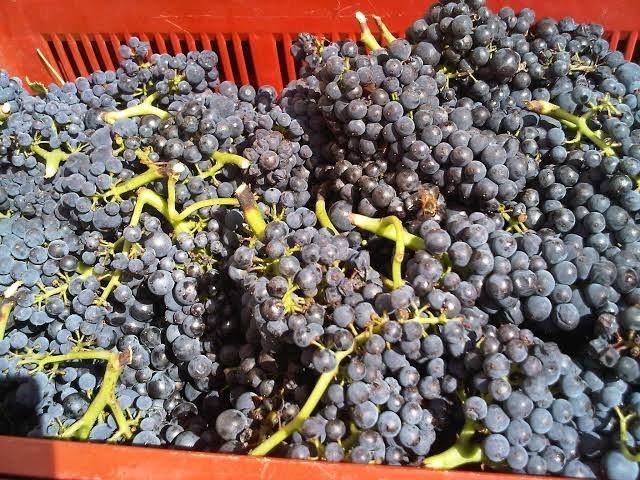
Mechanically that means: eight-kilo crates, a vibrating table to shake out insects and dried berries, then six people sorting by hand. Each parcel and each year is decided on its own: whole bunches, or destemmed berry by berry without breaking a skin, anywhere from nothing to everything. Santenots is usually destemmed, “because more limestone,” and its grapes have tannin enough without stems; Ronceret too; Chevret about half; Cailleret rarely more than a tenth. His own objection to stems is precise: “What I hate about this technique is when you get this green flavour. You need perfect maturity for this.” In 2004 and 2007 he used none.
Indigenous yeasts, six to eight days of fermentation, punching or pumping by taste, gravity to barrel, free-run and press kept apart and the press added back only if it earns it. New oak between none and a quarter. Then ten to twenty months on the fine lees without racking, with the malolactic deliberately held off until the following spring for complexity, the end of élevage set by the lunar calendar, and bottling with no fining, no filtration, and sulphur only at the end: twenty to forty-five milligrams total. In the vines: no herbicide, light ploughing, the moon consulted, and treatments when the year demands them. He is officially lutte raisonnée and uncertified, and says of biodynamics, “there are both good and bad things.” Hail took seventy per cent of the 2012 crop, and came back in 2013 and 2014. He is still here.
05 · What they say“Among the very best wines in the Côte de Beaune.”
Allen Meadows, Burghound, on the 2012 releases: “truly stunning… and among the very best wines that I sampled in the Côte de Beaune. There are several wines that are absolutely not to be missed.” William Kelley, Wine Advocate: “a winemaker who today numbers among the Côte de Beaune’s best producers,” and on the 2019 Cailleret, 93–95, “velvety and charming, with melting tannins and an ample core of fruit.” Neal Martin, Vinous: “superb winemaker.” Meadows on the 2019 Mitans: “This is textbook Mitans.” Charles Curtis MW in Decanter: “an array of Volnays in a full-bodied, concentrated style using a judicious proportion of whole bunches.”
Fair warning for the sommelier who likes a lean Volnay: these are not thin wines. Jasper Morris finds the ripest of them too much. We find them the point.
Truly stunning… and among the very best wines that I sampled in the Côte de Beaune.
Allen Meadows, Burghound
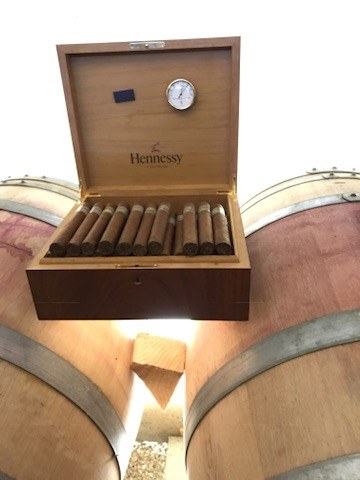
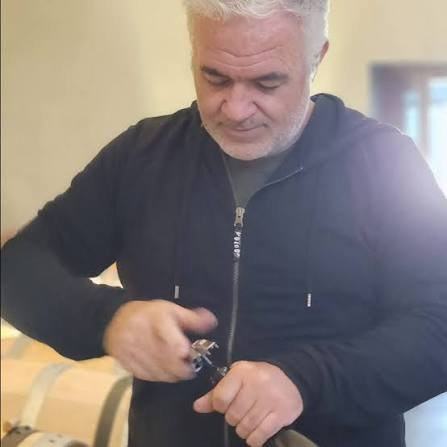
In the vineyard
& cellar.
- Holding
- Roughly seventeen to twenty hectares, close to thirty appellations: Volnay and seven premiers crus; Pommard, three village lieux-dits and six premiers crus; Beaune, Savigny, Pernand-Vergelesses, Aloxe-Corton; two Bourgognes; 3.5 hectares in the Beaujolais crus
- Since
- Own domaine from 1997; single label, Domaine Nicolas Rossignol, from 2011; own cellar on the edge of Beaune from 2016
- Farming
- Lutte raisonnée, biodynamically inspired, uncertified: no herbicides, light ploughing, the lunar calendar in vineyard and cellar
- Harvest & sorting
- Hand-picked into eight-kilo crates; vibrating table, then six people sorting by hand
- Vinification
- Whole bunch or berry-by-berry destemming, decided per parcel and year; indigenous yeasts; six to eight days; gravity to barrel; free-run and press kept apart
- Élevage
- Ten to twenty months on fine lees, never racked; malolactic delayed to spring; new oak nought to a quarter; unfined, unfiltered; sulphur only at bottling, 20–45 mg/L total
- Beaujolais
- Brouilly La Folie, Côte de Brouilly Chavannes, Morgon Corcelette, Moulin-à-Vent; made like his Pinot Noir, never carbonic; Brouilly and Chavannes 12 months in barrel in 2022, 10–15% new