
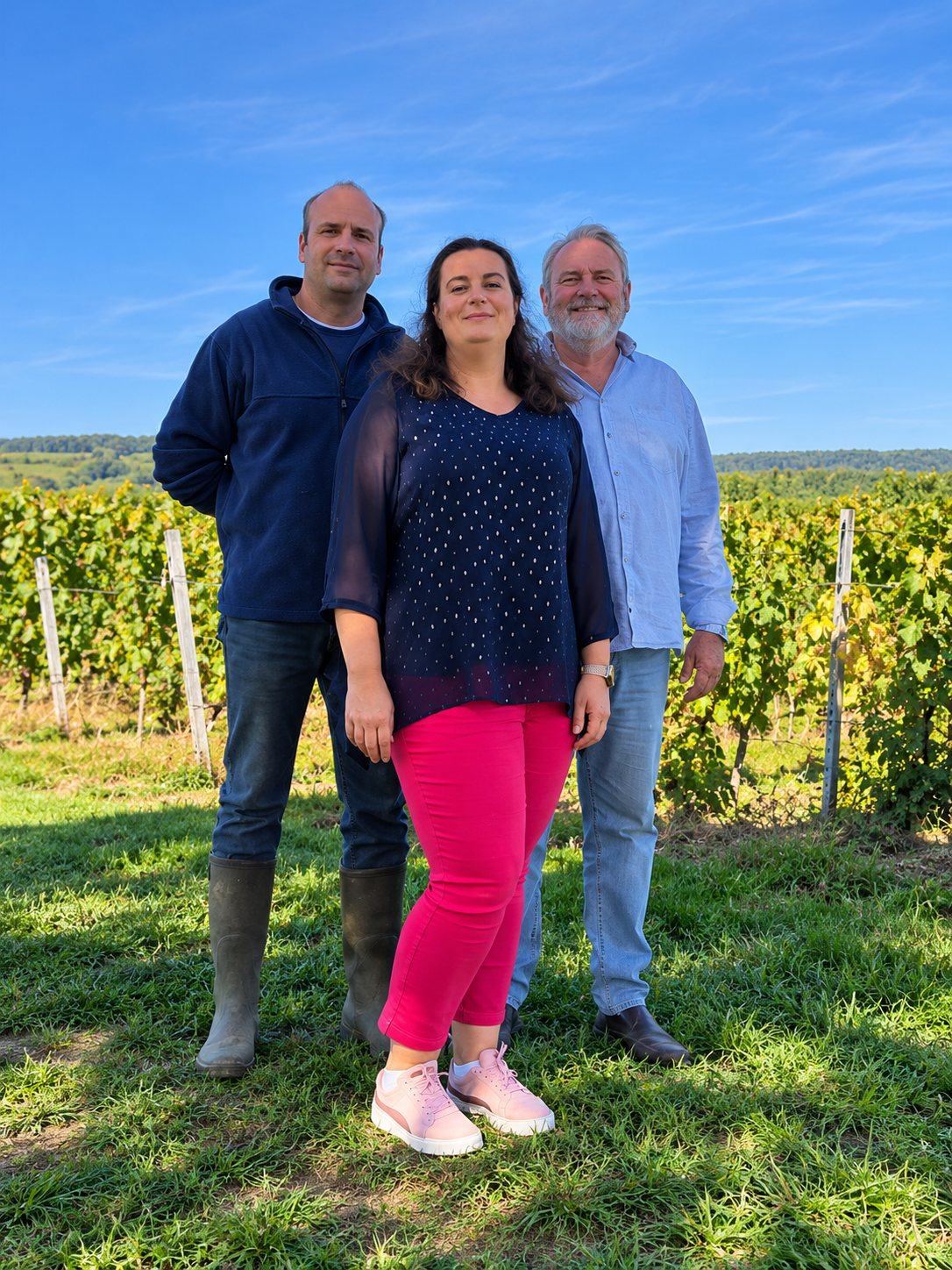
From Belgium in 1924; his own name from 1976.
Charles Dhondt came down from Belgium in 1924 with nothing much, and his grandson José did something that took real nerve: in 1976 he stopped selling his fruit to the great houses and put his own name on the bottle. That’s five hectares in Oger and Le Mesnil (Grand Cru chalk, thirty-year-old vines, Chablis-pruned) and a Blanc de Blancs so tight and serious it almost seems to withhold itself on the first sip. José has died now, and his daughter Marie has the keys. There’s no website; there never was. The wine has always had to speak for the family, and it does.
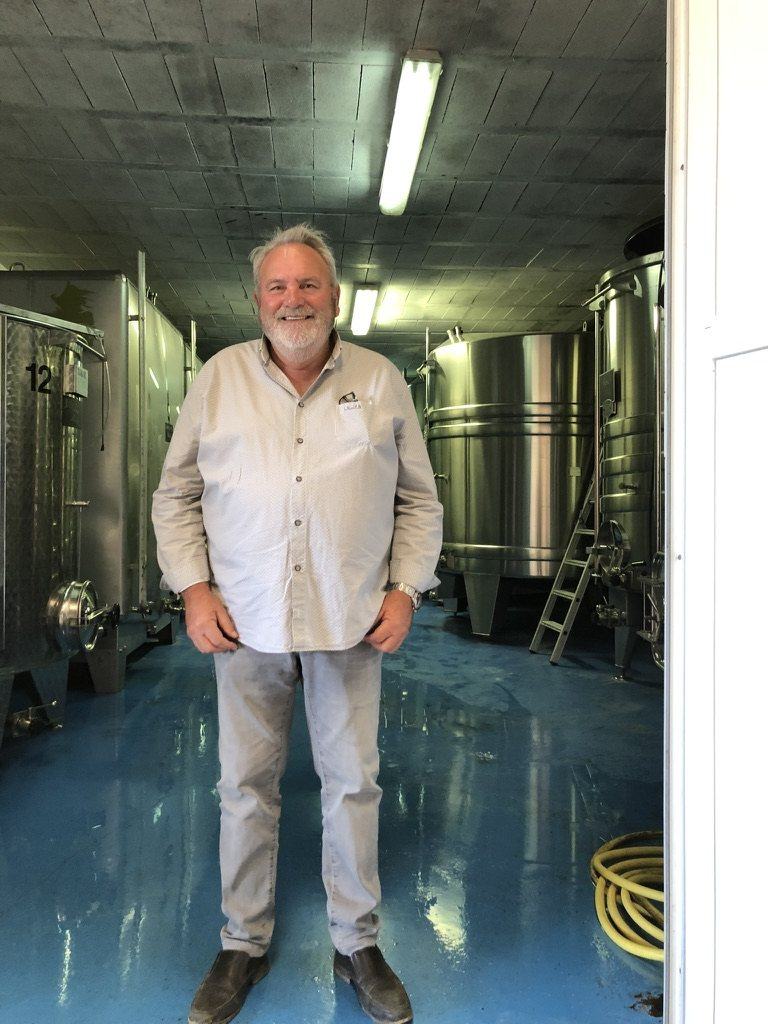
02 · Belgium to OgerGrapes for the houses, then a name on the bottle.
The Dhondts are Flemish. Charles Dhondt arrived in Champagne in 1924, in the years when the region was short of hands and land was cheap after the war and the phylloxera replanting, and he did what an immigrant with a few rows could do: he grew grapes and sold them to the big houses of Épernay. For two generations that was the business. The family name went on a delivery slip, not a label.
José came home in 1973, after his military service, and within three years had decided that was not enough. His first cuvée under the Dhondt name is dated 1976, early by the standards of the Côte des Blancs, where most growers were still content to be suppliers. Veritas, his British importer, calls him “among the first vignerons champenois to make wines under their own name.” He never stopped selling some fruit to Moët and the others; the house still does. But from 1976 the best of it stayed home, and that is the wine on this page.
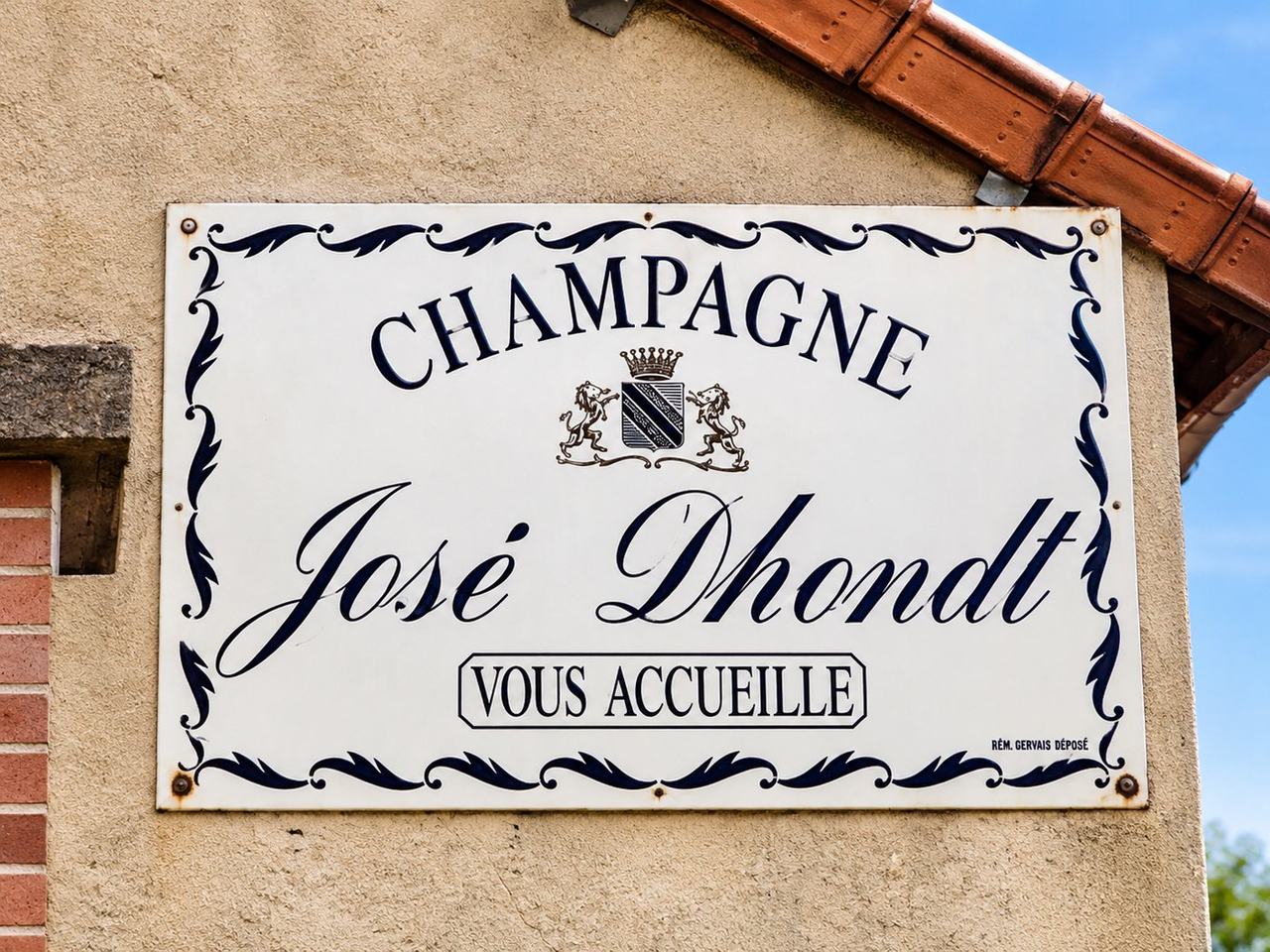
He made it for nearly fifty years. The house is on the main road through Oger, the sign on the wall is enamel, and the production is about fifty thousand bottles, a quarter of which leave France. There has never been a website.
03 · OgerDeep chalk, and a half-hectare planted in 1949.
Oger is grand cru, the village between Avize and Le Mesnil-sur-Oger on the Côte des Blancs, and its particular gift is the depth of the chalk: the topsoil is shallow and the chalk below goes down for metres, draining in a wet year and holding water in a drought. The Dhondts farm about five hectares here and in Le Mesnil, nearly all Chardonnay, Chablis-pruned, averaging thirty years. The non-vintage Blanc de Blancs comes from just over two hectares of Oger parcels assembled together.
The old vines are the thing. Les Crayères is half a hectare at the foot of the slope, facing south-east, where the topsoil is a little richer over the chalk, and it was planted in 1949 by José’s grandfather, the Belgian, in his twenty-fifth year in France. Those vines are now past seventy-five, and they make Mes Vieilles Vignes, a single-parcel, single-year blanc de blancs that José released only in the years he judged worthy. Wine Spectator gave the 2015 ninety-four points: “a seamless Champagne, with chopped almond and sea salt meeting ripe and juicy apricot and white cherry.” A collector on Wine Berserkers put it more plainly, of the 2008: it “reminded me of Comtes.”
The one red grape is somewhere else entirely: a single mid-slope vineyard called La Côte aux Lièvres (the hares’ hillside) at Saudoy near Sézanne, twenty-five-year-old Pinot Noir that makes the rosé de saignée.
Outstanding Champagne, in an understated, extremely suave style.
Josh Raynolds, Vinous
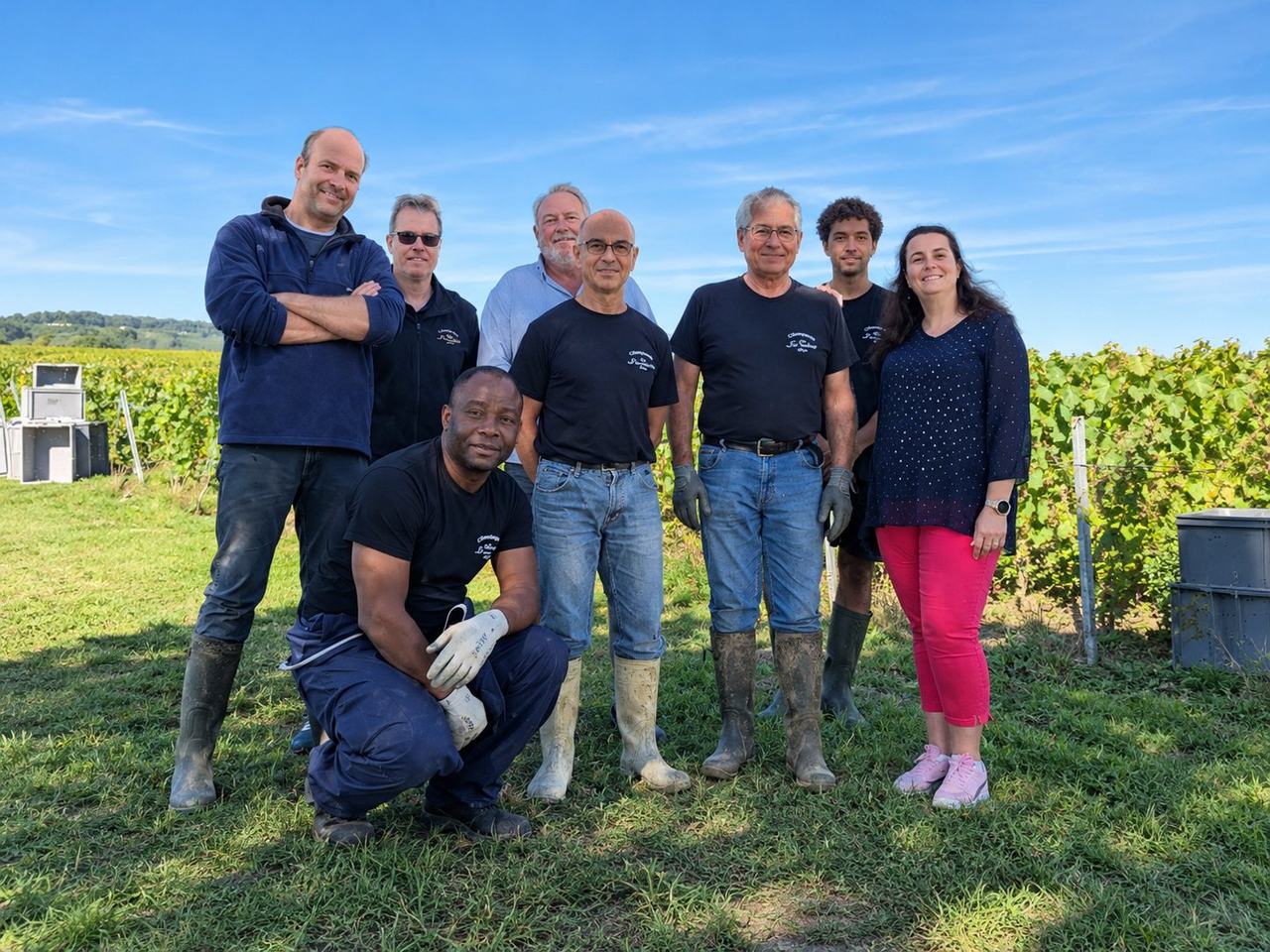
04 · MarieThe same cellar, kept the same way.
Marie Dhondt worked beside her father for years before the keys were hers, and she has had the good sense not to change anything. The method José settled on is the method, and it is a good one: a slow, gentle pressing in the traditional Coquard vertical press, a single retrousse, twelve to twenty-four hours of settling, then about three weeks’ fermentation in small temperature-controlled steel tanks, each lot kept apart. Malolactic fermentation always, to take the edge off Oger’s acidity. No oak anywhere. The non-vintage spends three years on its lees, the old vines five; disgorgement happens four times a year, in small batches, so what reaches you is fresh.
In the vines it is lutte raisonnée, which in this house means grass between the rows, bark compost, a hard de-budding to keep the crop down, and picking as late as the season will stand. Marie is the winemaker of record on every cuvée now, and if you did not know, you would not know: the Wine Advocate on the non-vintage, “an utterly enticing wine from start to finish… terrific length and vibrancy,” and Vinous, “white flowers, crushed rocks, and mint and green pears jump from the glass.”
In the vineyard
& cellar.
- Holding
- About five hectares in Oger and Le Mesnil-sur-Oger, grand cru, nearly all Chardonnay; a single Pinot Noir vineyard at Saudoy, near Sézanne
- Vines
- Chardonnay averaging thirty years, Chablis-pruned; Les Crayères, half a hectare at the foot of the slope, planted 1949 by José’s grandfather
- Farming
- Lutte raisonnée, HVE certified; grass between the rows, bark compost, severe de-budding; late picking
- Press
- Traditional Coquard vertical press, one retrousse; twelve to twenty-four hours’ settling
- Vinification
- About three weeks in small temperature-controlled steel, lots kept separate; full malolactic, always; no oak
- Ageing
- Three years on the lees for the non-vintage, five for Mes Vieilles Vignes; disgorged four times a year
- Since
- Family in Champagne from 1924; own label from 1976; Marie Dhondt now leads the house