Julien Fayard’s discipline, in the bottle you open on a Tuesday.
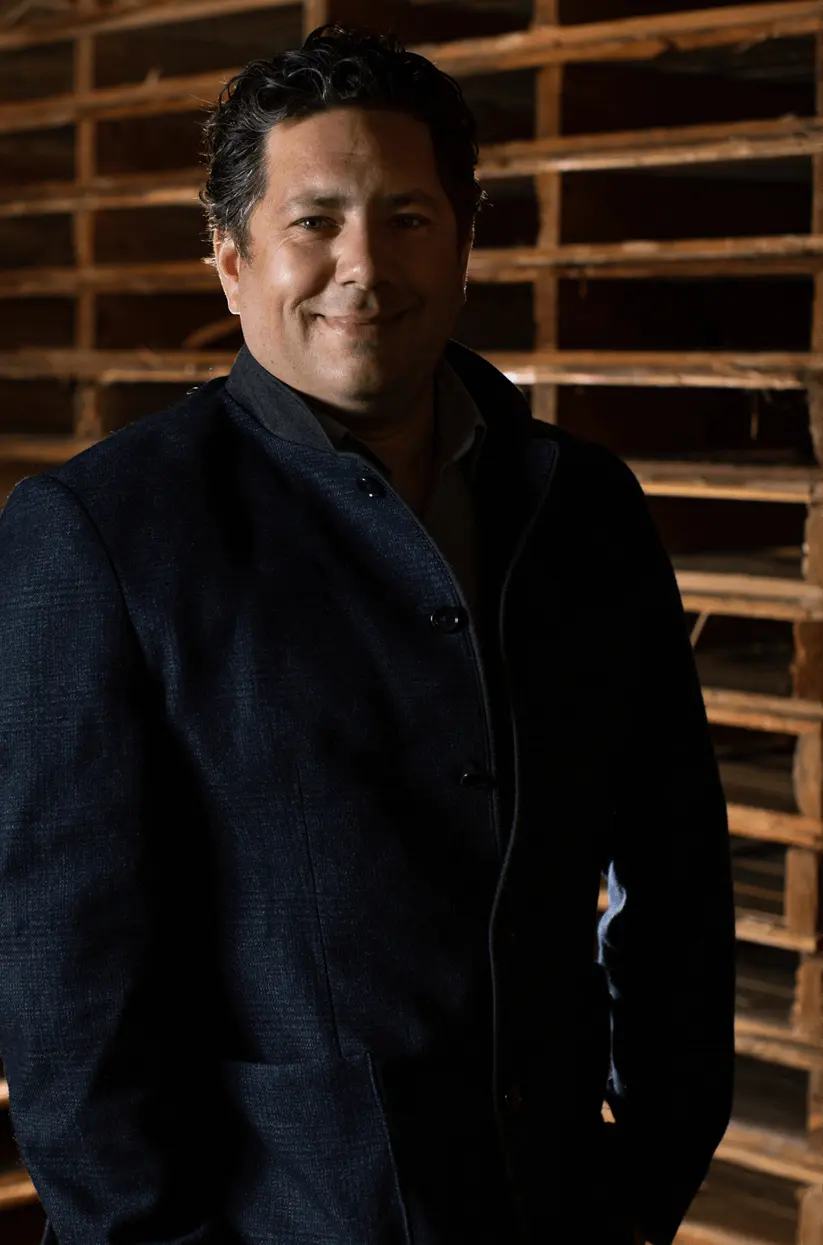
By the third Fayard label you have either decided you trust the winemaker or you haven’t. I have. Le Pich is the younger sibling of Purlieu, the Napa house Julien Fayard founded in 2011, and it carries the same thinking into wines meant to be opened rather than cellared and admired: a Napa Valley Cabernet Sauvignon and a Russian River Valley Chardonnay, alert, structured, not sweetened for easy approval.
Fayard learned his trade at Château Lafite Rothschild and Château Smith Haut Lafitte, then spent eight years in Napa as Philippe Melka’s director of winemaking, working on estates such as Lail, Gemstone and Dalla Valle. He talks about Napa Cabernet the way a Burgundian talks about a climat, row by row and pick by pick. That habit of mind is what Le Pich is for: Fayard fruit and Fayard decisions, in wines made in a few thousand cases.
I carry it because each of his addresses is a separate project, with its own fruit, sites and wine, rather than one formula applied in triplicate. The consistency is in the thinking, and only there.
02 · Julien FayardFrom his uncle’s vines in Provence to two Bordeaux classed growths.
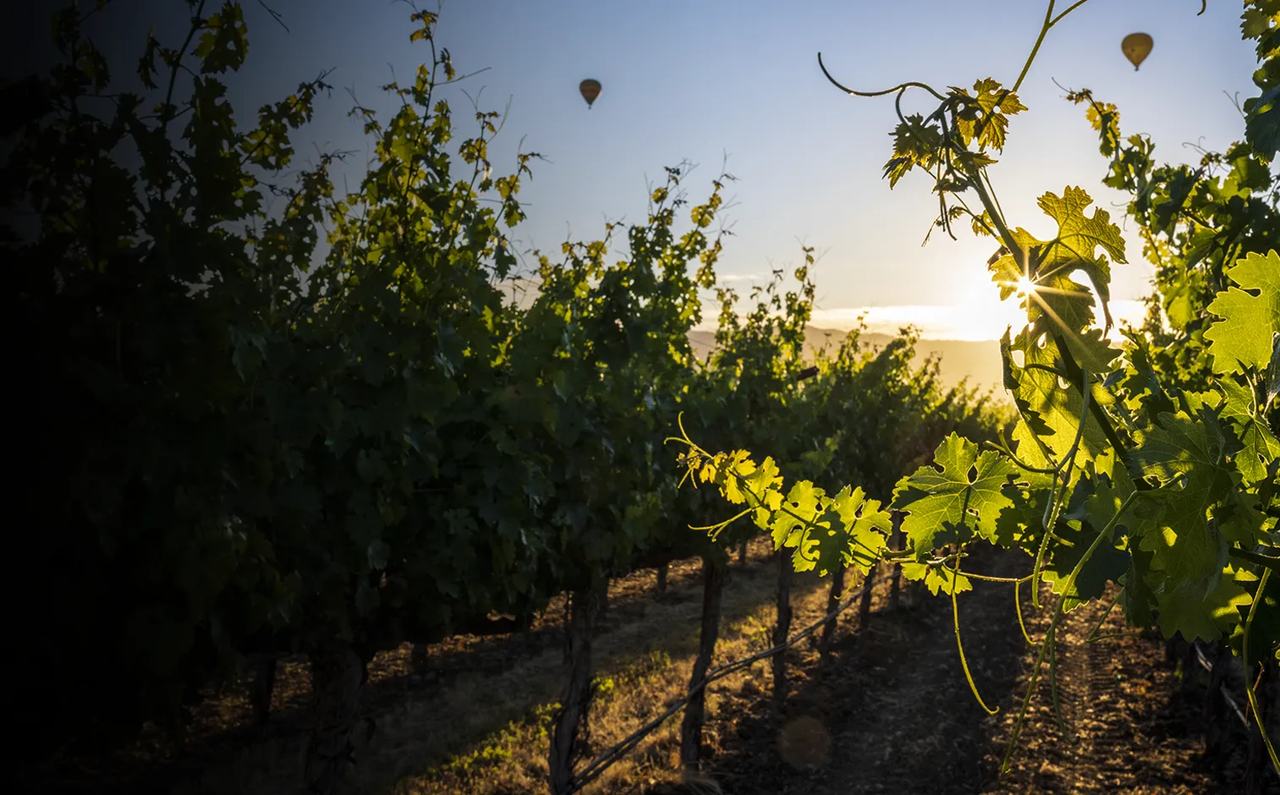
Julien Fayard was born in Saint-Étienne and raised on the French Riviera. In the 1970s his uncle bought a small estate in Provence, Château Sainte Marguerite, and began making wine, and Julien’s childhood was spent in its vineyards. “My cousins and I played and biked in the vines, wearing scuba masks and using grapes for slingshots,” he told the Michelin Guide. He made his first wine at sixteen.
He studied agri-business at ESA in France and took a master’s in winemaking in Toulouse, returning to harvest every year, and then went to Bordeaux, where he worked at Château Lafite Rothschild and Château Smith Haut Lafitte. The lesson he says he took from them is attention to detail and restraint in the cellar. In 2003 he came to Napa as a harvest intern at Quintessa, where he met Philippe Melka. He met his wife Élan, who grew up in the Bay Area, and in 2006 they settled in Napa for good. He later added an MBA from UC Davis, and he still surfs every week.
03 · Eight years with MelkaLearning Napa in small pieces.
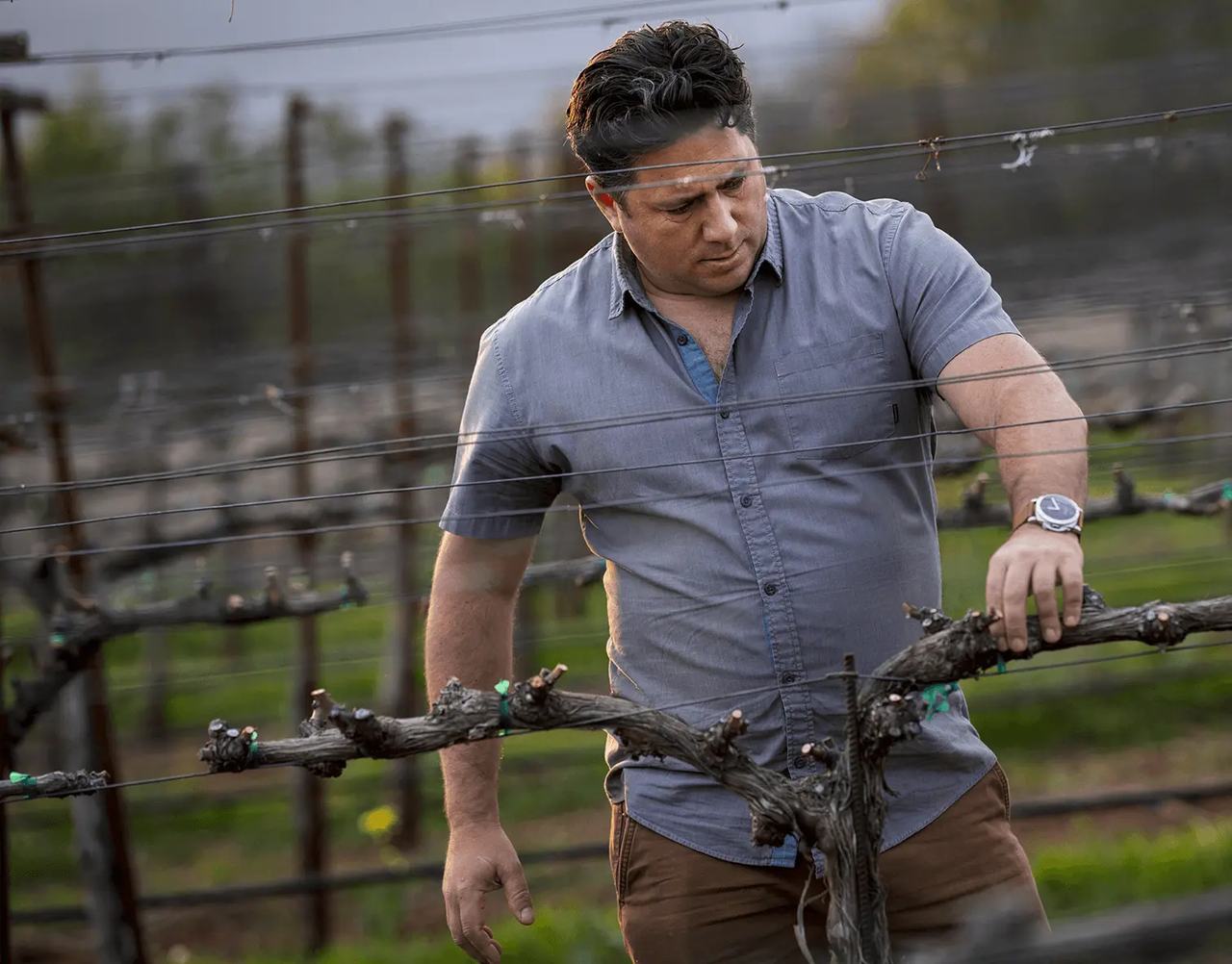
Fayard spent eight years with Philippe Melka at Atelier Melka, as his director of winemaking, at a time when Melka was building some of the most sought-after names in the valley. He worked on Lail, Gemstone and Dalla Valle, and on a long list of others. What Melka taught him, he says, was the diversity of Napa’s microclimates and how to approach a vineyard in small pieces, with many separate blocks and many separate picks.
Then he left, on purpose. “We worked together for eight years, but I wanted to create my own identity,” he told the Michelin Guide. “I never wanted to take from Philippe what was not mine.” In 2011 he founded Purlieu in Coombsville with the viticulturist Steve Matthiasson; he went on to co-found Covert Estate on a Coombsville hillside, to start a rosé project, and to make wine for other estates, among them Brandon Gregory in Sonoma. In 2023 he opened Maison Fayard in downtown Napa, the first bottle shop there owned by a winemaker, where Le Pich has its own tasting.
His network of growers is the quiet advantage. Years of Melka’s picks and his own consulting have given him access to fruit that small labels rarely see, and Le Pich draws on the same relationships as Purlieu.
Napa is almost Burgundian: there are so many small parcels and separate picks.
Julien Fayard, to the Michelin Guide
04 · The golden eaglePich is the Wappo word for golden eagle.
Before Spanish and American settlers arrived, the Wappo people lived in the Napa Valley, and pich is their word for the golden eagle. The label and the website return to the bird again and again: eagles soar, glide and circle, and they pair for life. It is a fitting name for a sister label that flies alongside Purlieu rather than under it.
The Cabernet Sauvignon is Napa Valley fruit, including grapes from the Coombsville vineyard that also goes into Purlieu. Coombsville is the cool south-eastern corner of the valley, close to San Pablo Bay, and it gives Cabernet a fresher, more savoury line than the warm valley floor further north. The 2022 ran to about three thousand cases. The 2021 we carry comes from a vintage that Wine Spectator’s James Molesworth rated ninety-seven points for Napa Cabernet, ahead of 2015 and 2019.
The Chardonnay comes from the Russian River Valley in Sonoma, where morning fog and sandy Goldridge soils make some of the most energetic Chardonnay in California. Fayard ages it on its lees in French oak and stirs them, which gives the wine texture without heaviness. More recent releases have added a Napa Sauvignon Blanc and a Golden Eagle Cabernet to the line.
05 · Toward freshnessA winemaker betting that Napa will turn toward elegance.
Fayard has a clear view of where Napa is going. “I think stylistically we will see a move not toward richness, which has already been discovered with oak and its structure and power, but toward complexity, aromatics and layers,” he told the Michelin Guide in 2018. He expects a shift to elegance and more austerity, as eating habits change. “We see more kale than Wonder Bread now, and that will translate into wine.”
In the cellar he works the way he farms, in detail. “I take a Burgundian approach to Cabernet Sauvignon,” he said in the same interview. “No two rows are farmed the same way.” He thinks about pump-overs, the types of tanks, their diversity, the fermentation temperatures, and about his own footprint: what the vineyard should show, and what it should not. With famous, sweet-fruited sites he asks how to bring more red fruit, more freshness, more focus and more polish to the tannins.
Le Pich is where most people meet that thinking for the first time. The Cabernet has Napa’s generosity and Fayard’s structure; the Chardonnay is bright and long. Both stand on their own, made by someone who decided a long time ago that balance was the point.
In the vineyard
& cellar.
- Label
- Sister label to Purlieu (founded 2011, Coombsville); the name is the Wappo word for golden eagle
- Winemaker
- Julien Fayard: Lafite Rothschild and Smith Haut Lafitte, then eight years as Philippe Melka’s director of winemaking
- Wines
- Cabernet Sauvignon Napa Valley (including Coombsville fruit shared with Purlieu) · Chardonnay Russian River Valley
- Cellar
- French oak; Chardonnay aged on its lees with bâtonnage
- Scale
- About 3,000 cases of the 2022 Cabernet
- Tasting
- Maison Fayard, the winemaker-owned bottle shop in downtown Napa, opened 2023