
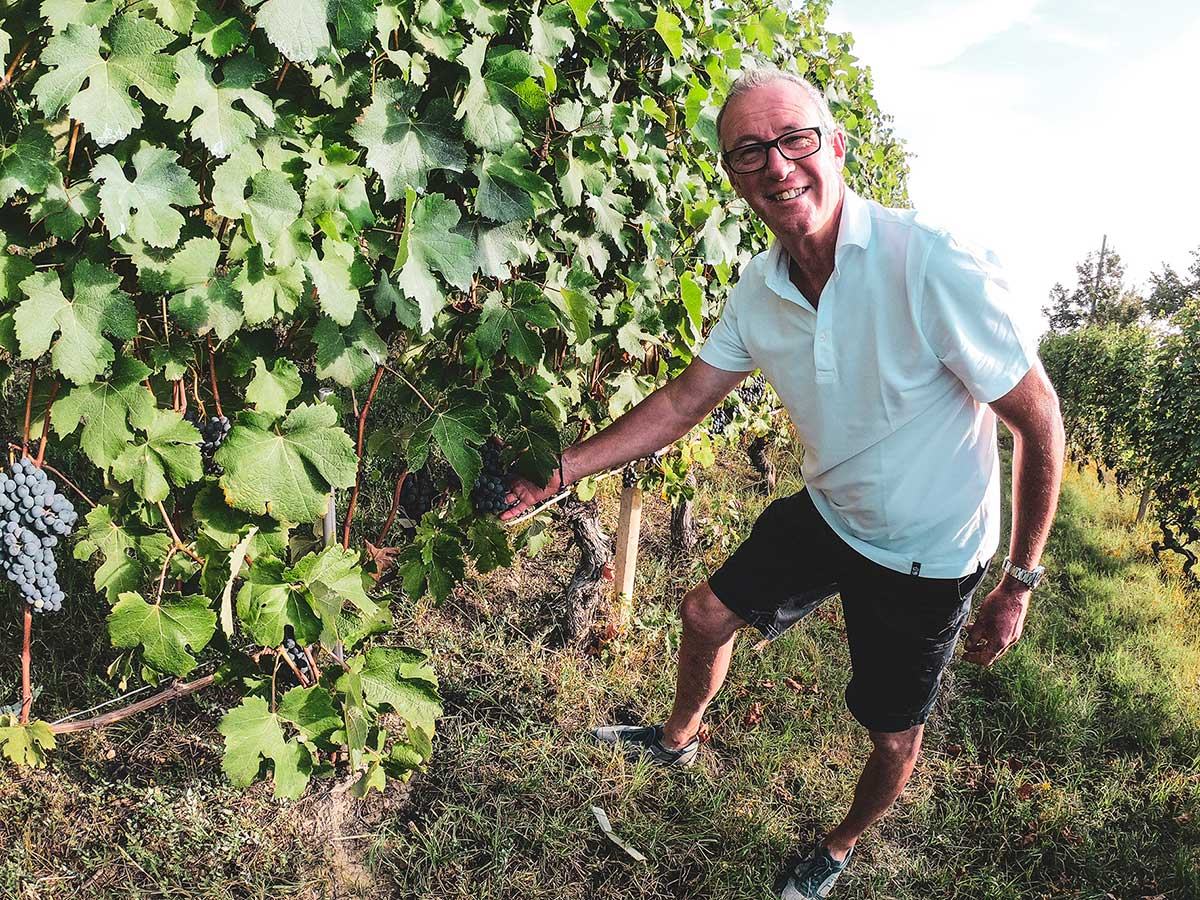
Two great crus, six hectares, one family since 1899.
Six hectares. That is the whole of Azienda Agricola Mario Marengo, and inside it sit about a hectare and a fifth of Brunate and a hectare of Bricco delle Viole, two of the finest vineyards in the Barolo zone. Both have been in the family for five generations. The Marengos have farmed in La Morra since 1899, bottled their first Barolo with Brunate on the label in 1974, and put Bricco delle Viole on a label from the 1997 vintage.
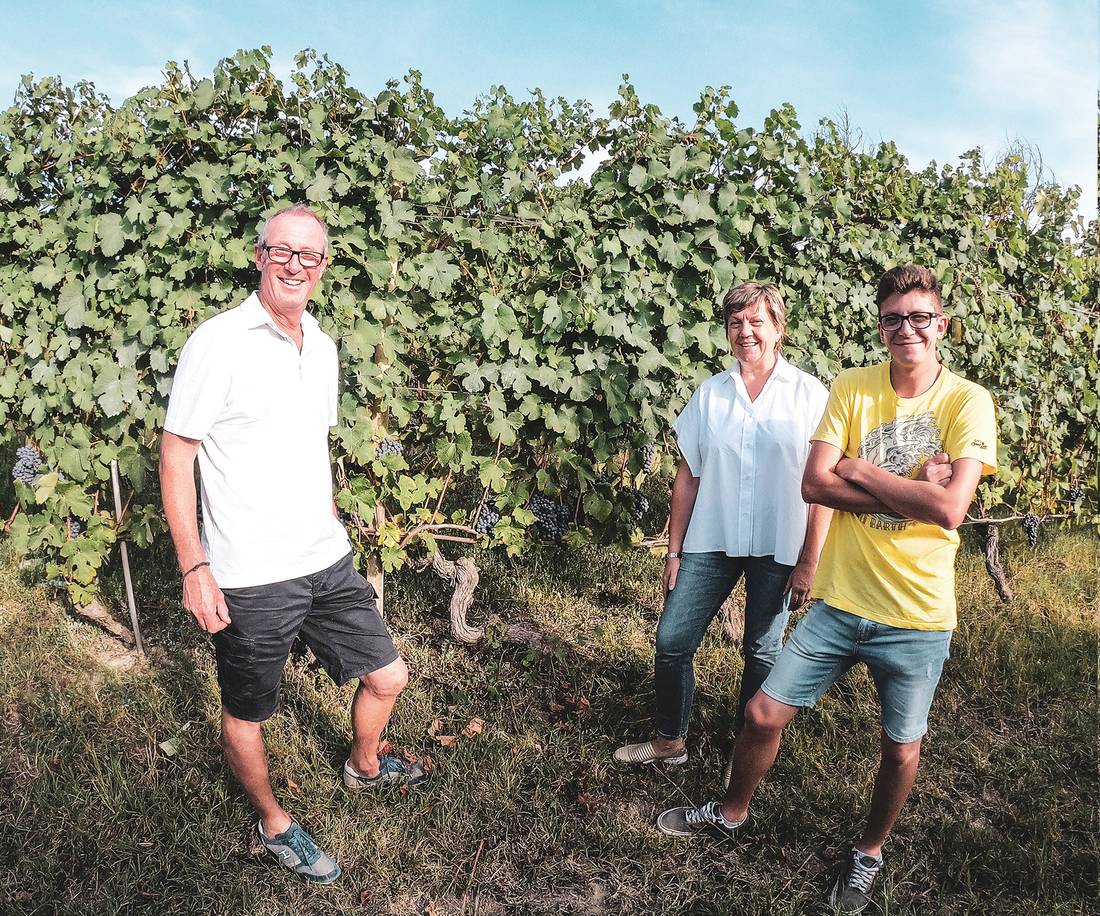
Marco Marengo runs it now with his wife Jenny Battaglino and their son Stefano, a trained wine technician. He worked beside his father Mario for years and took charge in 2001, when Mario died. The output is around 35,000 bottles a year, which is very little for a family that owns parcels the big houses would pay almost anything for.
The reason to care is simple. These are grand-cru sites made by a grower, at a scale where one man tastes every barrel, and the critics who cover Barolo for a living keep returning to them. Justerini & Brooks in London, who have sold the wines for years, call Marco a maker of “thrilling wines” who is “still, just about, one of those under the radar producers.” When people ask where the value in Barolo went, this is one of the addresses worth giving them.
02 · Mario’s sonA cluttered cellar in town, then a new one in the vines.
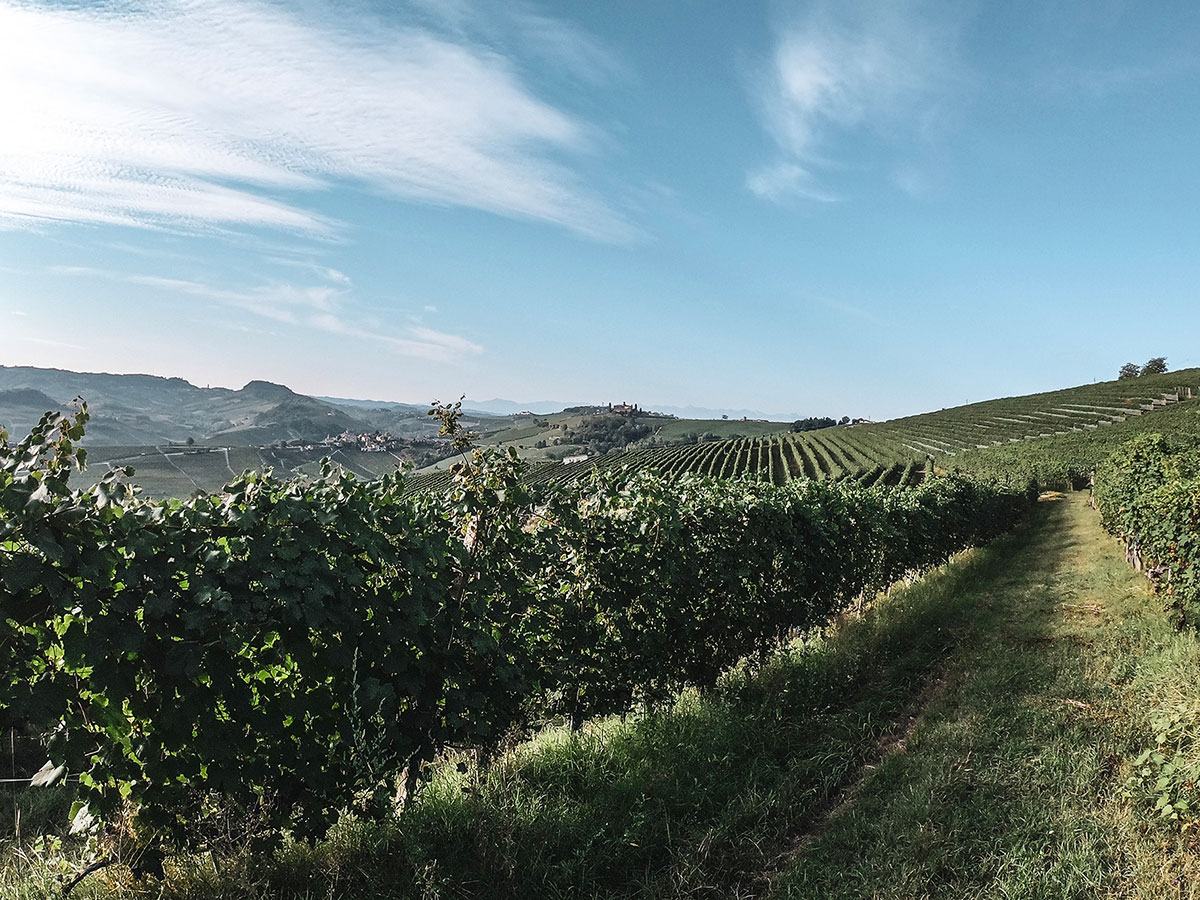
For most of the estate’s life the wine was made in a small, cluttered cellar in the town of La Morra itself. Marc de Grazia, who has brought the wines to America for decades, remembers tasting from barrel there as “quite an experience,” and says of Marco plainly that he “has an extraordinary palate.” The family built a new cellar at Serra Denari, outside the village, and 2011 was the first vintage made in it.
Marco’s own view of his job is short. The work in the vines matters more to him than the work in the cellar, and he tries to respect what each vineyard gives him. He talks about vintages the way growers do, by dates and grapes. Of 2013 he said: “we started picking the Dolcetto grapes on the 25th of September and we finished with the Nebbiolo grapes on the 25th of October.” Of 2010, a year he called lovely: “The growers in Piedmont are lucky as there has been a series of good vintages from 2004.”
Jenny and Stefano are part of the daily work, and Stefano’s training means the next generation is already in the cellar. It is a family business in the literal sense: three people, six hectares, and two vineyards that have stayed in the family for well over a century.
The growers in Piedmont are lucky as there has been a series of good vintages from 2004.
Marco Marengo, 2010
03 · Brunate and Bricco delle VioleOne slope in La Morra, one windy hilltop above Barolo.
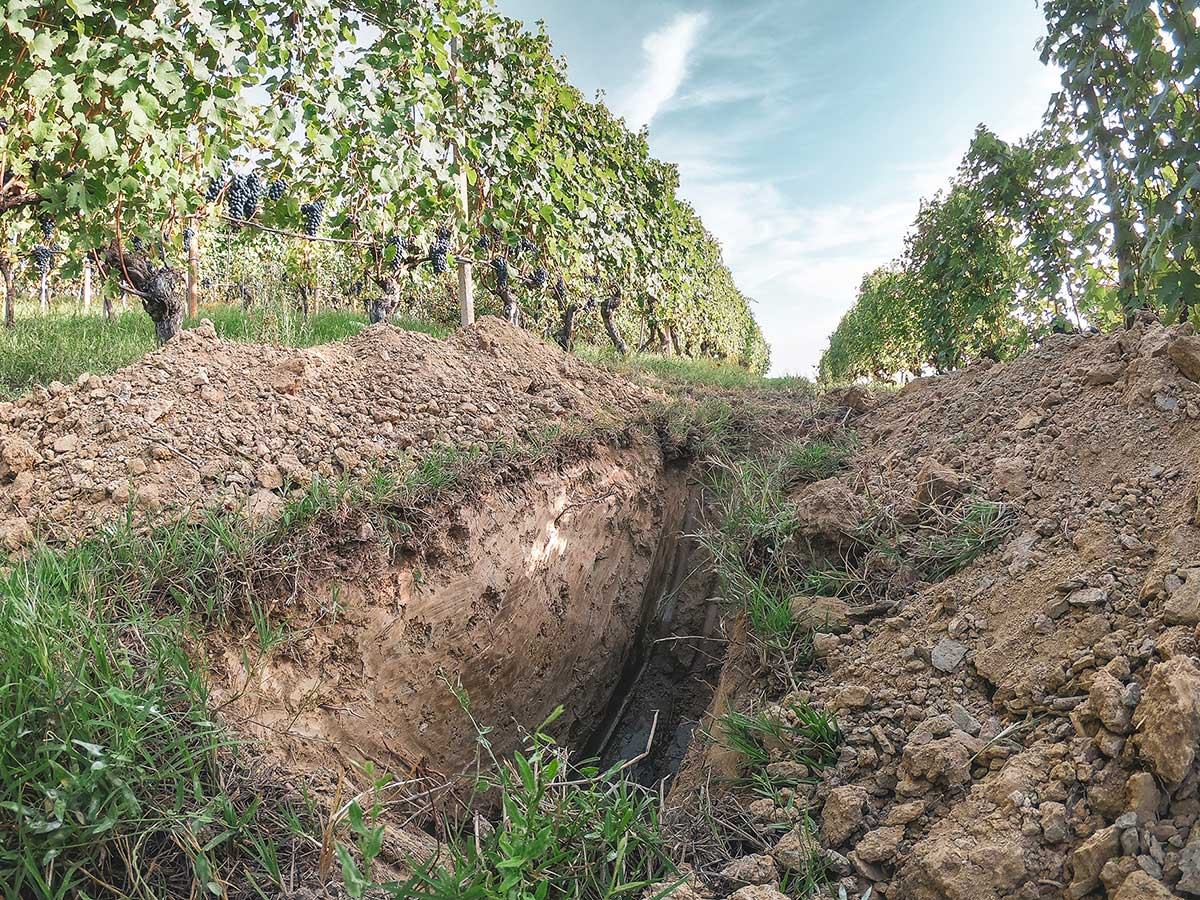
Brunate is the amphitheatre that runs from La Morra down toward Barolo, one of the handful of names that Barolo drinkers know without being told. The Marengo holding is in the La Morra part, in two parcels at about 350 metres on classic calcareous soil, owned by the family since 1903 by Justerini’s account, with vines averaging about seventy years. The oldest block, planted in the 1940s, goes into a Riserva.
Bricco delle Viole, the “hill of violets,” is a different kind of place. It sits on the steep hill that climbs from Barolo toward La Morra, among the highest vineyards in the commune of Barolo, between about 390 and 480 metres. The Marengo hectare came down through Marco’s mother’s side of the family. It faces south at 420 metres and was planted in 1955. The height and the wind make it a late-ripening site with small, intense berries, cool nights and a little more clay than Brunate. Monica Larner of the Wine Advocate describes it as “a one-hectare parcel at a breezy 420 meters in elevation.”
The difference shows in the glass. Brunate is the darker, more muscular wine of the two. Bricco delle Viole is the lifted, floral one, with the high-altitude tannins that can be fierce when young. The rest of the estate supplies a Barolo from four La Morra vineyards (Fossati, Serra Denari, Roncaglia and Boiolo), Dolcetto and Barbera from Castiglione Falletto, and a Nebbiolo d’Alba from an old vineyard in the Roero.
04 · Barriques, gentlyWild yeast, steel, then two years in French oak.
Marengo is not a botte grande traditionalist, and it would be wrong to pretend otherwise. The Barolos ferment in stainless steel on their own yeasts, at 18 to 20°C for ten to fifteen days, and then spend 24 months in French barriques before six months in bottle. The new wood is kept low, a quarter at most and usually less, so the oak stays in the background. The farming is certified under SQNPI, Italy’s national integrated-production scheme, and the wines are vegan.
The Bricco delle Viole in our book makes about 5,000 to 6,000 bottles, depending on the year. The Barbera d’Alba comes from the Pugnane cru in Castiglione Falletto, on mixed clay and silt with vines about 35 years old, and spends under a year in barrique. The Dolcetto d’Alba, also from a south-east-facing slope in Castiglione Falletto, is the one Marengo wine that never sees wood: ten months in steel, made for the table.
Picking is by hand, yields are modest (about six tonnes a hectare on Bricco delle Viole), and the cellar work is quiet. The style that results is La Morra’s: perfume first, then fine, firm tannin.
05 · What the critics sayWeightless, ethereal and classic.
Antonio Galloni of Vinous, reviewing the 2018 Bricco delle Viole that we carry, called it “weightless, ethereal and classic in feel, as Barolos from this site so often are,” and added that Marco “has done a nice job in taming the typically incisive Bricco dell Viole tannins.” Monica Larner gave the same wine 94 points in the Wine Advocate, noting wild rose, grilled herb, mint and white pepper and a texture that is “lean but fine-tuned and elegant.” Her score for the 2018 Brunate was 95.
Those numbers sit alongside the great names of La Morra and Barolo, from a family that sells its wines for a fraction of what those names ask. Justerini’s summary of the Brunate holds for both crus: wines with “ethereal perfume and finesse tinged with a complex earthiness and refined but powerful tannins.”
Barolo has become one of the most expensive wines in Italy, and much of the best land belongs to houses with marketing budgets. The Marengos have kept their two great vineyards for five generations and still make the wine themselves, in small quantities, with very little fuss. Barolo was made this way for most of its history, and it is getting harder to find.
Weightless, ethereal and classic in feel, as Barolos from this site so often are.
Antonio Galloni, Vinous, on the 2018 Bricco delle Viole
In the vineyard
& cellar.
- Holding
- About 6 ha in La Morra, Barolo and Castiglione Falletto
- Since
- 1899; first Brunate label 1974, Bricco delle Viole from 1997; Marco Marengo in charge since 2001
- Crus
- About 1.2 ha Brunate (La Morra, ~350 m); 1 ha Bricco delle Viole (Barolo, 420 m, planted 1955)
- Family
- Marco Marengo, his wife Jenny Battaglino, their son Stefano
- Farming
- Integrated farming; picked by hand
- Cellar
- Native-yeast ferments in steel; Barolo 24 months in French barrique, little new oak; Dolcetto steel only
- Output
- About 35,000 bottles a year