
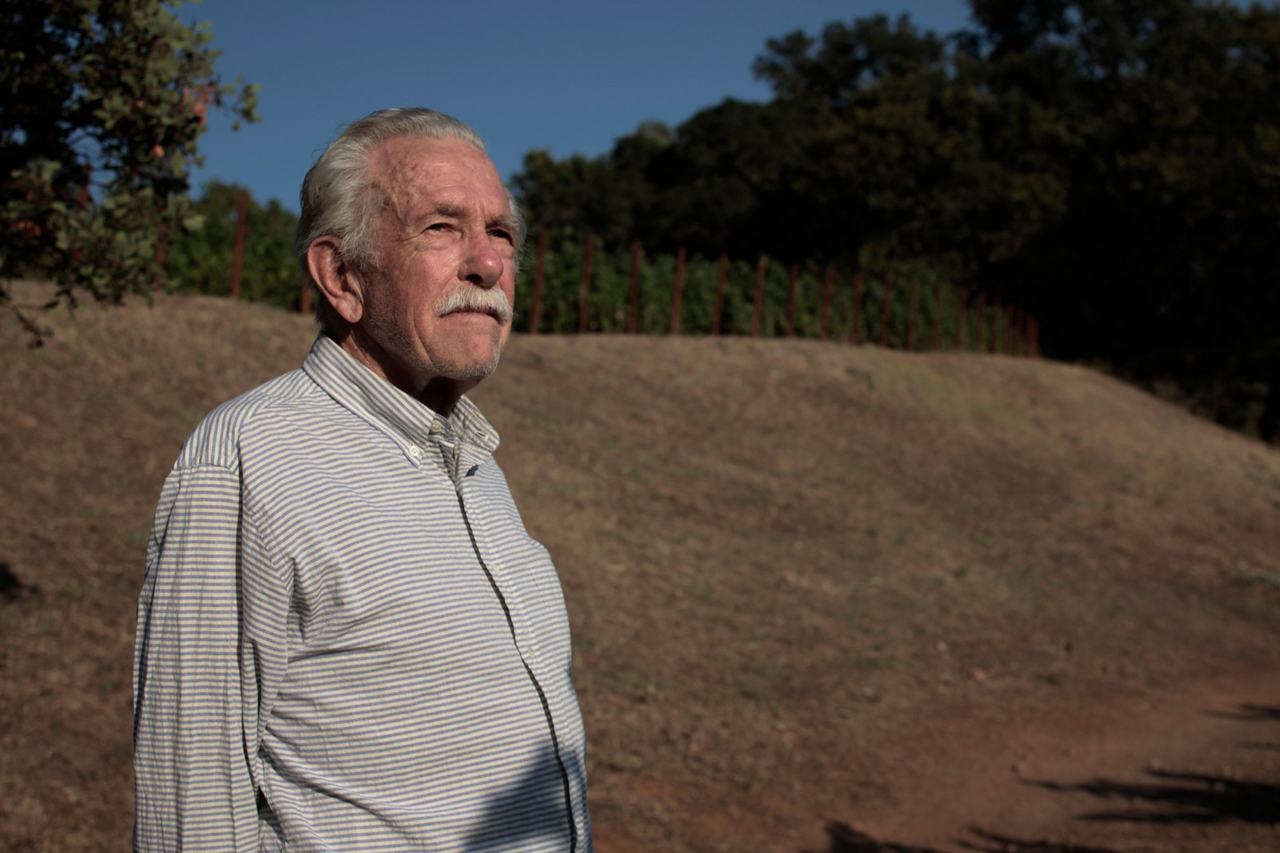
A volcanic knoll at the top of the valley, and Cabernet raised in Tuscan clay.
At the top of the Napa Valley, where Calistoga runs out against Mount St. Helena and the Mayacamas and Vaca ranges meet, Dr. Herbert Perliss bought thirteen acres of wild land in 1989 and did nothing with it for nearly twenty years except enjoy it. In 2008 he asked Aaron Pott, then the winemaker at Quintessa, whether there was a vineyard in it. There was: a bare 2.6-acre swath cut into the forest on a rocky volcanic knoll. Pott laid it out, chose the rootstock and the clone, and has made the wine ever since.
The site is cooler than the town below it, fed by coastal fog and wind through the Chalk Hill Gap, on soils that run from tuff to obsidian. The farming is careful and small: organic, cane-pruned, by hand. And from 2014 Perliss raised part of its Cabernet in terracotta amphorae from Tuscany, the first in Napa to use Manetti Gusmano’s vessels, an experiment Pott then carried into his own wines and that Turnbull and Realm followed.
The wine I carry from this address is Mythical, a Cabernet Pott builds from three mountain vineyards, Mount Veeder, Atlas Peak and Howell Mountain. It is the wine I open for people who think Napa Cabernet has only one register. It has several. This one is the quiet, stony one.
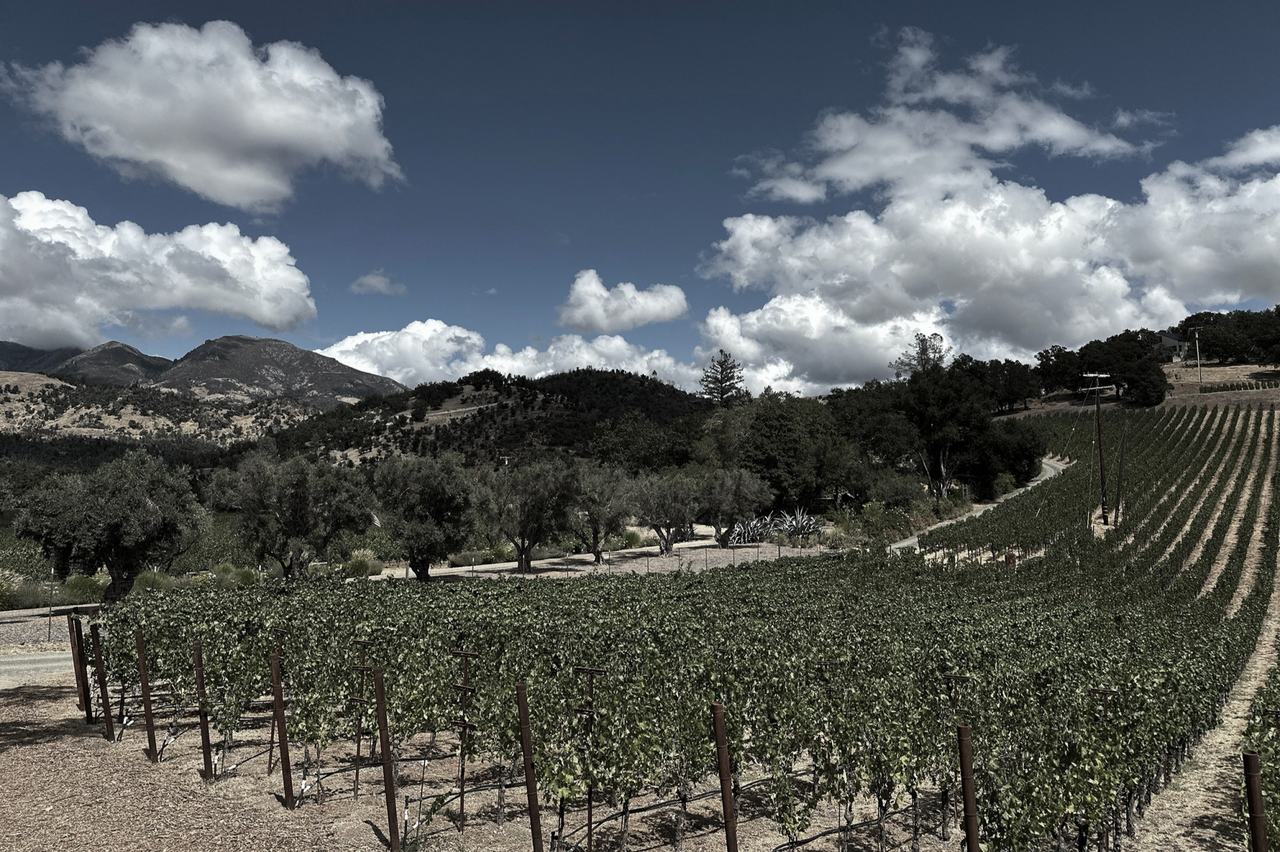
02 · Herbert and Anthony PerlissTwenty years of weekends, then a vineyard, then a fire.
Herbert Perliss grew up in Brooklyn and came to San Francisco in 1971 as a physician with the US military. The Calistoga land was a weekend retreat for the family; he built two houses in the forest and left the rest alone. “What Napa held for us didn’t crystalize until we were up there,” he told the Napa Valley Register. His son Anthony had spent twenty years away, in New York, Milan and Paris, where he worked as an art director for a perfume house. When his father decided to plant, Anthony came home to run it, and he paints the labels himself, in Chinese ink on rice paper. He compares the two trades: in perfume and in wine, the raw material decides everything, and the best practitioners believe that simpler is often better.
The rootstock went in in 2008 and the Cabernet was grafted on in 2009. The first real harvest was 2011, bottled in 2013. Then came October 2017. Anthony was living on the property when the fires reached it; seventy-mile-an-hour winds put the flames around the house in seconds, and he drove out through them with the dogs. He lost his home. About 97% of the vineyard survived, because vines make a firebreak, and that year’s harvest made fifty-five cases.
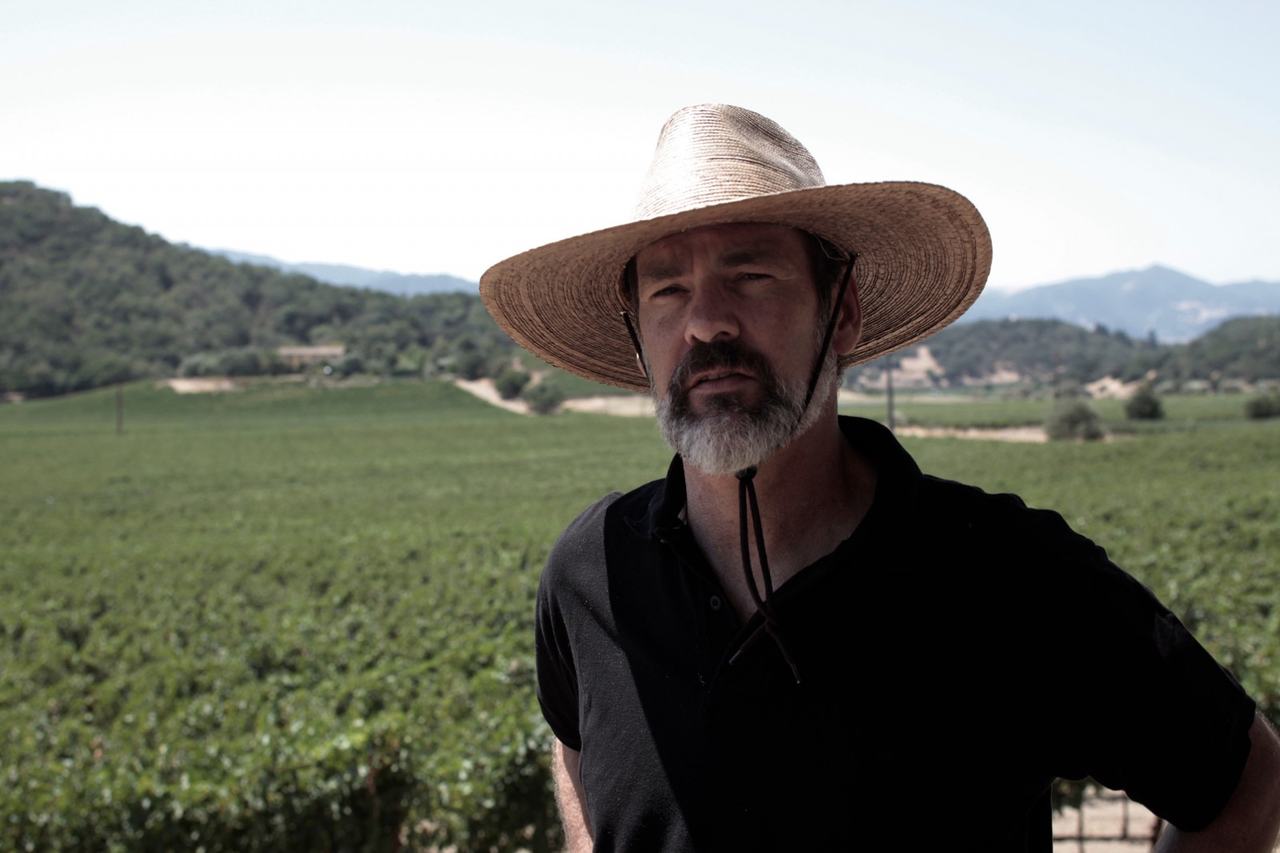
03 · The Ravens VineyardTuff to obsidian, where two mountain ranges meet.
The vineyard is named for the ravens that circle over it with the red-tailed hawks and turkey vultures. It sits on a knoll in a forest of oak, manzanita and madrone, at the northernmost end of the valley, a few miles short of the Sonoma line. The soil is volcanic, rocky on the small upper block and loamier on the lower one, which runs down the hill into a little bowl. Calistoga has the most extreme temperature swings in Napa, more than forty degrees in a day, and this site has its own climate on top of that: cool nights, foggy mornings, dry bright days and an afternoon breeze from the Sonoma coast through the Chalk Hill Gap. It is often cooler than the town.
Pott planted it close, on low-vigour rootstock, all See clone Cabernet. Piña Vineyard Management, another family business, farms it organically and by hand; the vines are cane-pruned, and birds, bats and ladybugs do the pest control. The vineyard faces so that the fruit ripens evenly and is shaded when the sun is fiercest. Pott has said the wine practically makes itself. He still watches every stage of the year, pruning to harvest.
The quality was there already. A great climate, perfect soil, and a unique location. All was in place that would lead to an original wine.
Aaron Pott, to the Napa Valley Register
04 · Clay from TuscanyTerracotta from Brunelleschi’s tile makers, for a taste of the vineyard without oak.
The amphorae came by way of a cooperage. Atelier Centre France, one of Perliss’s barrel makers, proposed working with Manetti Gusmano & Figli, a Tuscan family that has made terracotta for eight generations and made roof tiles for Brunelleschi’s dome in Florence. The clay is galestro from an Etruscan quarry; each vessel is made by hand by two artisans over several months, grey before firing and reddish-brown after, and only around a hundred are made a year. The cooperage offered to make Perliss the first in Napa to use them, and Perliss did, from the 2014 vintage. Pott, who had never worked with them, liked the results enough to order his own, and Turnbull and Realm took them up too.
What the family wanted was to taste the vineyard without any oak at all. Clay breathes more than wood, concentrates the wine and keeps it fresh, and gives a different kind of tannin. So the Cabernet is raised both ways and blended: the flagship, The Ravens, spends more than twenty months in amphorae and in French barrels from small coopers, a program of 60% new wood and 40% once used, and is bottled unfined and unfiltered under a wax the colour of manzanita bark. Pearl of the Ravens is the amphora-led version. The range also takes in a Petit Verdot and two Sémillons from Knights Valley, one of them fermented on its skins in amphora.
05 · MythicalThree mountains in one Cabernet, and the quiet side of Napa.
Mythical is Pott’s mountain Cabernet and is listed with Perliss in our book. The 2021 is the first release, all Cabernet Sauvignon, raised in French oak, and drawn from three sites well above the valley floor: about 1,600 feet on Mount Veeder, on uplifted seafloor sandstone and shale; about 1,200 feet at Stagecoach on Atlas Peak, on the rocky volcanic soils of the Vaca range; and about 1,500 feet on Howell Mountain, on clay and sandy loam.
It belongs with the estate wine because of the hand behind both. Pott says he has no house style, only an approach that lets each vineyard speak, and Anthony Perliss describes the estate Cabernet as the opposite of an overpowering Napa Cab, “a delicate, distinct taste that has created a loyal following.” Mythical is the mountain version of the same idea: firm, stony and long, a Cabernet you drink for its structure and its place.
In the vineyard
& cellar.
- Holding
- 13 acres in northern Calistoga, at the foot of Mount St. Helena · The Ravens Vineyard, 2.6 acres
- Since
- Land bought 1989 by Dr. Herbert Perliss · planted 2008, grafted 2009 · first harvest 2011
- Winemaker
- Aaron Pott, from the start · Anthony Perliss runs the estate
- Soil
- Volcanic: rocky on the upper block, loamier below · tuff to obsidian
- Farming
- Organic, by hand, cane-pruned (Piña Vineyard Management) · native fermentation
- Cellar
- Tuscan terracotta amphorae (Manetti Gusmano) and French oak · unfined, unfiltered · Mythical in French oak