
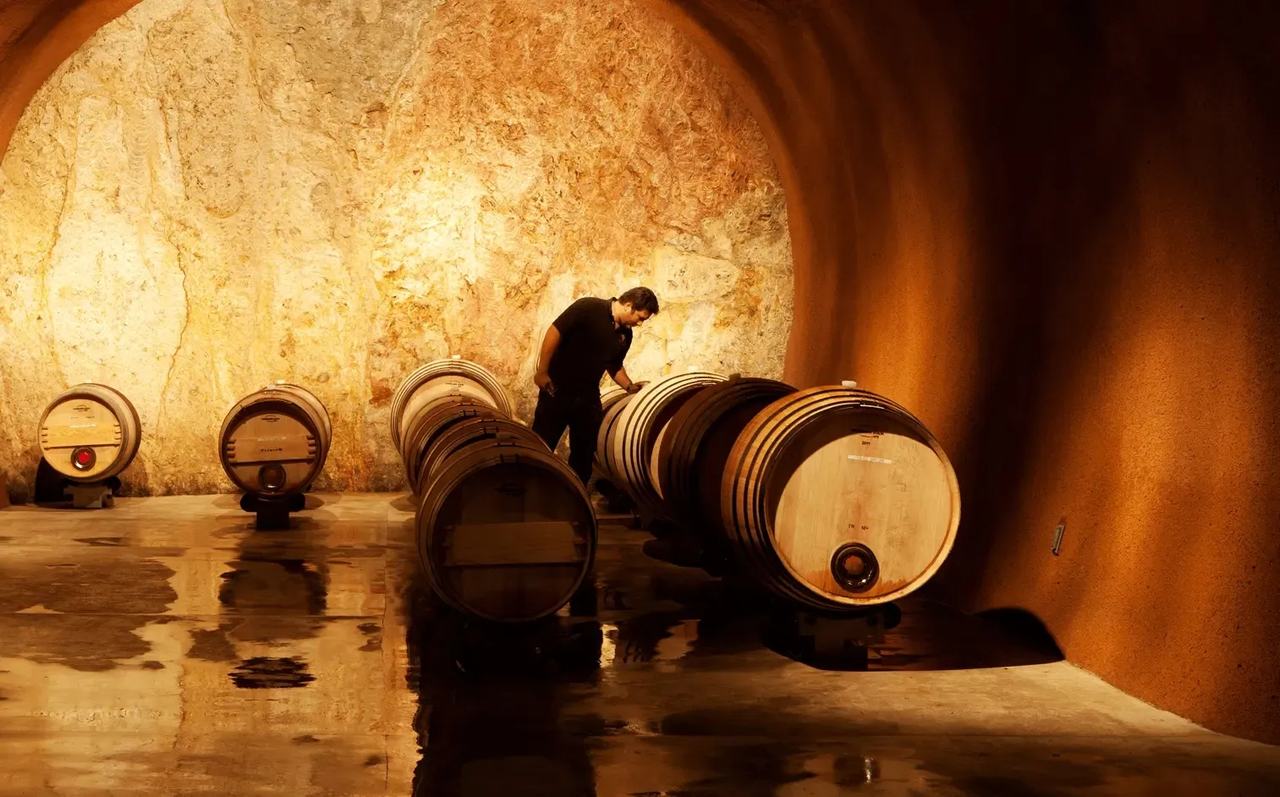
A Frenchman’s row-by-row answer to Napa’s grandest vineyards.
Purlieu is Julien Fayard’s own Napa address, and the one where the French instinct for leaving things alone is most clearly audible in the glass. Fayard grew up in the vineyards of his uncle’s château in Provence, worked at Lafite Rothschild and Smith Haut Lafitte, and then spent eight years as Philippe Melka’s right hand in Napa before setting up on his own. He founded Purlieu around 2011 in Coombsville, on the cool southeastern edge of the valley.
What Purlieu has, built over years of relationships with growers, is access to some of the most sought-after vineyards in California: Beckstoffer’s Missouri Hopper, Georges III and To Kalon, the Martinez vineyard on Pritchard Hill, which only he and Melka have been allowed to buy from, and the Platt Vineyard on a ridge above the Sonoma Coast fog. The idea is to take famous ground and farm and pick it more precisely than the next buyer.
The Platt Vineyard Chardonnay has a tensile quality: alert rather than lean, the way wine is when the winemaker has decided that getting out of the way is a form of craft. The Cabernets are made with the same discipline, structured and built for age, not sweetened or softened for early approval. The Missouri Hopper, when we have it, is the one to open for someone who thinks they know what Oakville tastes like.
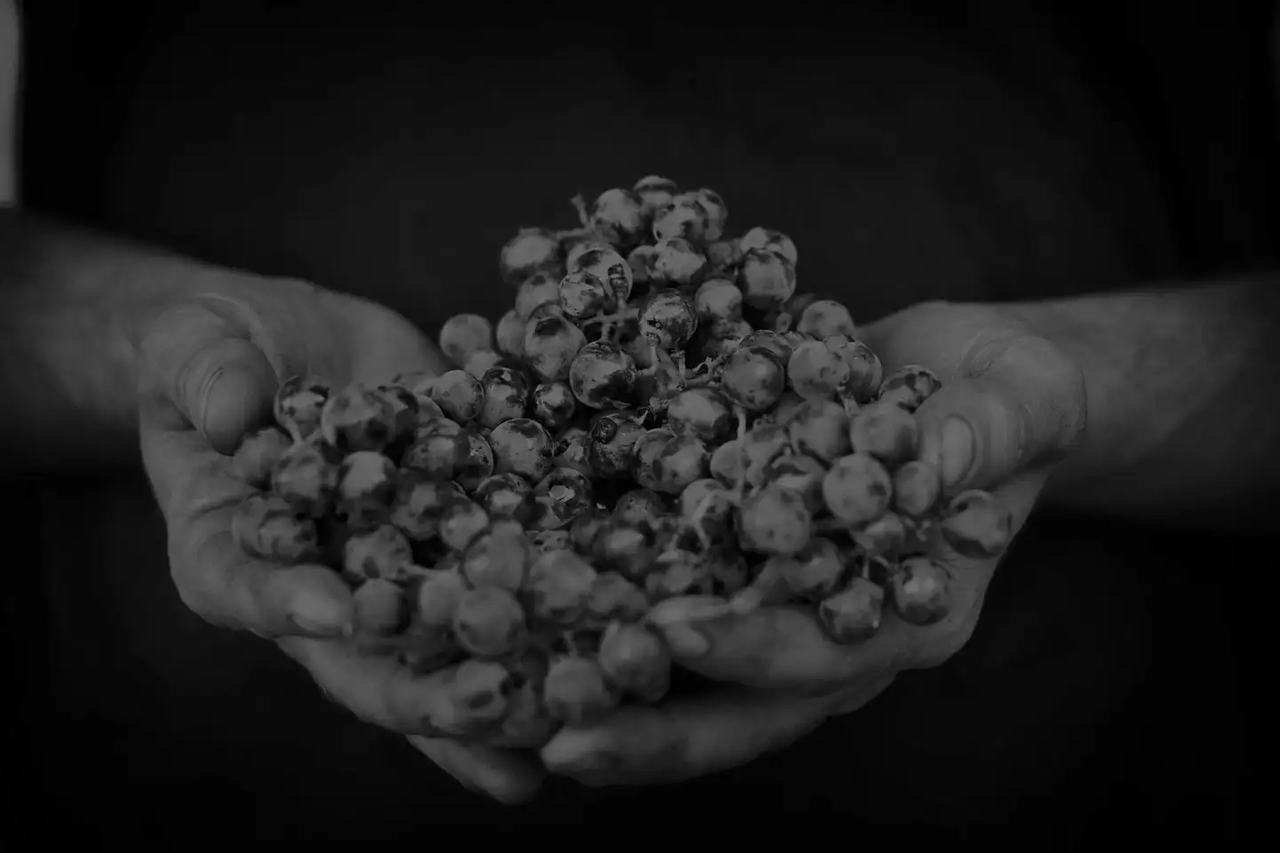
02 · Julien FayardProvence, Bordeaux, and eight years at Philippe Melka’s side.
Fayard was born in Saint-Étienne and raised on the Riviera. In the 1970s his uncle bought Château Sainte Marguerite, a small estate in Provence, and Julien grew up in its vines. ‘My cousins and I played and biked in the vines,’ he told the Michelin Guide, ‘wearing scuba masks and using grapes for slingshots!’ He began his working life making rosé there, studied agri-business at ESA and winemaking at Toulouse, and then went to Bordeaux, to Château Lafite Rothschild and Château Smith Haut Lafitte.
After he met his wife, Élan, who grew up in the Bay Area, the couple moved to Napa in 2006 and he joined Philippe Melka, the Bordeaux-born consultant behind a long list of the valley’s most admired labels. He spent eight years at Atelier Melka and ended as its director of winemaking, working on estates such as Lail, Gemstone and Dalla Valle. ‘He taught me about the diversity of Napa Valley,’ Fayard says, ‘all the microclimates, the detail and about how to approach a vineyard in small pieces.’ He took an MBA at UC Davis in 2011 and left to build his own name rather than borrow Melka’s.
Today he makes Purlieu and its sister label Le Pich, consults for a handful of other estates, and in 2023 opened Maison Fayard, a tasting room for his wines in downtown Napa. Le Pich takes its name from the Wappo word for the golden eagle, which hunts over the vineyards.
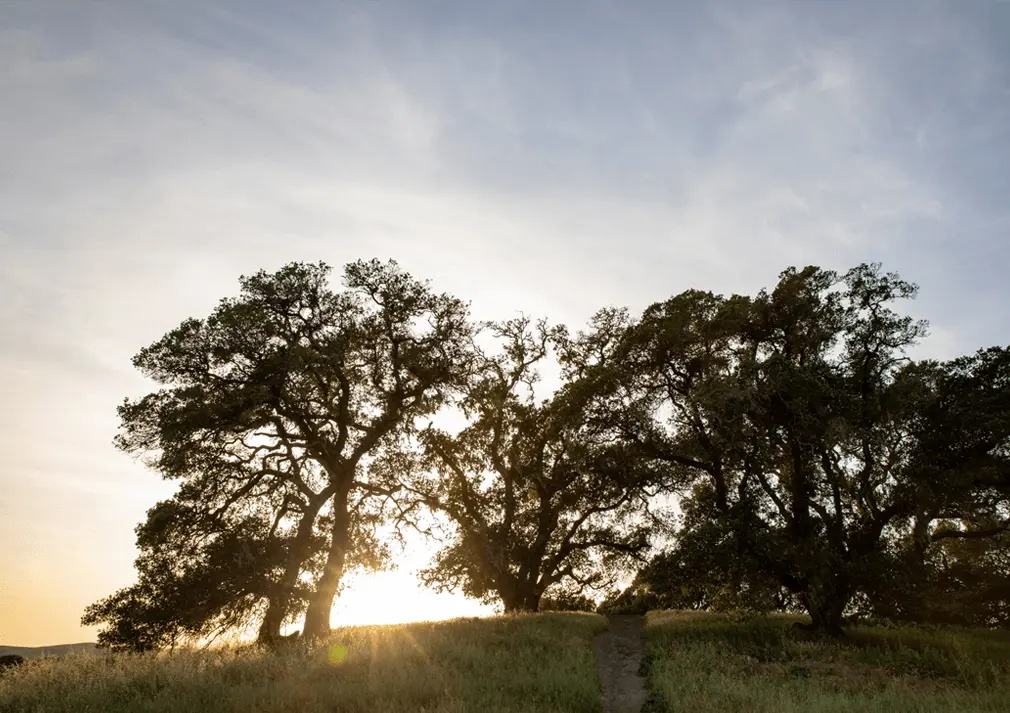
03 · The edge of the forestA name for Coombsville, and for a way of working.
‘Purlieu’ means the edge of the forest, or an outlying district. It was a reference first to Coombsville, which became an appellation in 2011, the same year Purlieu began: a bowl of hills on the southeastern rim of Napa, seven to ten degrees cooler than St. Helena, close enough to the bay to feel it. The growing season is long and the grapes ripen slowly. There are two soils, the estate says: reddish-brown colluvium, which gives a spicier, firmer Cabernet, and flaky volcanic ash, which gives red fruit and a scent of crushed violets. Fayard still buys from Coombsville vineyards, among them Teucer, Meteor and Caldwell.
The name has a second sense, and Fayard means it. Purlieu is meant to work at the edges of what Napa Cabernet is expected to be, looking for the balance point ‘between innovation and tradition, confidence and restraint, depth and refreshment’. That is the house mission statement, and the wines bear it out: they are ripe, as Napa is ripe, but the fruit has lift and the tannins are polished rather than piled up.
Purlieu was started with the viticulturist Steve Matthiasson, one of the most respected growers in Northern California, who managed the vineyards. It remains small. The Platt Vineyard Chardonnay, for example, runs to fewer than two hundred cases.
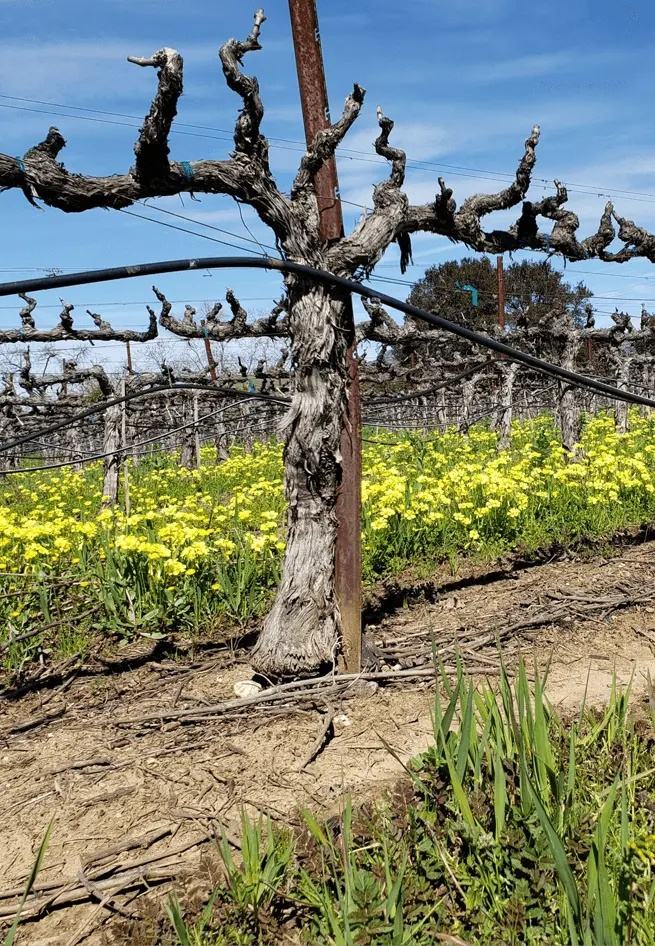
04 · Borrowed groundMissouri Hopper, Georges III, To Kalon, and a ridge above the Sonoma fog.
Missouri Hopper is an Oakville vineyard that Charles Hopper gave to his daughter, Missouri, in the nineteenth century; she planted part of it to vines, and the Beckstoffer family has owned it since 1996. Purlieu has bought from it since 2014, and the wine we carry is 100% Cabernet Sauvignon, aged around two years in mostly new French oak. Georges III, in the heart of Rutherford, was bought by Beckstoffer in 1988 and replanted to new clones; Purlieu’s first wine from it, the 2015, earned 96 points from Robert Parker, by the winery’s account. To Kalon, the ‘most beautiful’, is the Oakville vineyard widely treated as California’s grand cru.
Further out are the hillside sites. Martinez sits at the top of Pritchard Hill, 800 to 2,000 feet up in the Vaca Mountains, sixteen acres of iron-rich red clay and boulders. Sugarloaf, in the southeast of the valley near San Pablo Bay, was planted in the late 1990s by Bill Hill when most people thought the hills too cold for Cabernet; its dense volcanic rock soaks up afternoon heat and gives it back after sunset.
The Chardonnay comes from the Platt Vineyard, on a ridgeline about 800 feet up and five miles from the Pacific, above the fog line west of Sebastopol. It was planted in 2003 on Goldridge sandy loam, the old sea floor of the Sonoma Coast, and is farmed by Eric Flanagan. Fayard ferments it in barrel and keeps it on its lees, stirred; the cold site gives it the acidity that holds all of that in line.
05 · Row by rowA Burgundian approach to Cabernet.
Many wineries buy Beckstoffer fruit, and a good many make To Kalon Cabernet. Asked by the Michelin Guide how he sets his apart, Fayard answered in terms a Burgundian grower would recognise. In Burgundy, he pointed out, twenty-five producers can make wine from one vineyard. The vineyard is the given. The difference is in the details: how each row is pruned and thinned, when each block is picked, how many pump-overs, which tanks, what fermentation temperature.
He is frank about what he is trying to correct. ‘With To Kalon, the wines are always very sweet and soft with cigar leaf spices, but beyond the sweetness it’s fairly austere,’ he said. ‘So how do I bring more red fruit, more freshness, more focus and more polish to those tannins?’ The Napa Valley Cabernet, assembled from several of his sites, is fermented on its own yeasts and spends close to two years in French barrels. It is a big wine with a clear outline.
For a great wine he asks for what he calls the ‘wow effect’: ‘Something you’ve never tasted before and didn’t know exists.’ That is a high bar to set for yourself in a valley full of famous Cabernet. Purlieu clears it more often than most.
I take a Burgundian approach to Cabernet Sauvignon. No two rows are farmed the same way.
Julien Fayard, to the Michelin Guide
In the vineyard
& cellar.
- Founded
- About 2011, Coombsville, by Julien Fayard with the viticulturist Steve Matthiasson
- Winemaker
- Julien Fayard (also Le Pich); formerly director of winemaking at Atelier Melka
- Vineyards
- Beckstoffer Missouri Hopper and To Kalon (Oakville), Beckstoffer Georges III (Rutherford), Martinez (Pritchard Hill), Sugarloaf, Coombsville sites; Platt Vineyard (Sonoma Coast) for Chardonnay
- Ground
- Platt: Goldridge sandy loam at about 800 feet. Napa: volcanic and alluvial soils, benchland and hillside
- Cellar
- Cabernets on indigenous yeasts, close to two years in French oak; Platt Chardonnay barrel-fermented and aged on its lees
- Tasting room
- Maison Fayard, downtown Napa, since 2023