
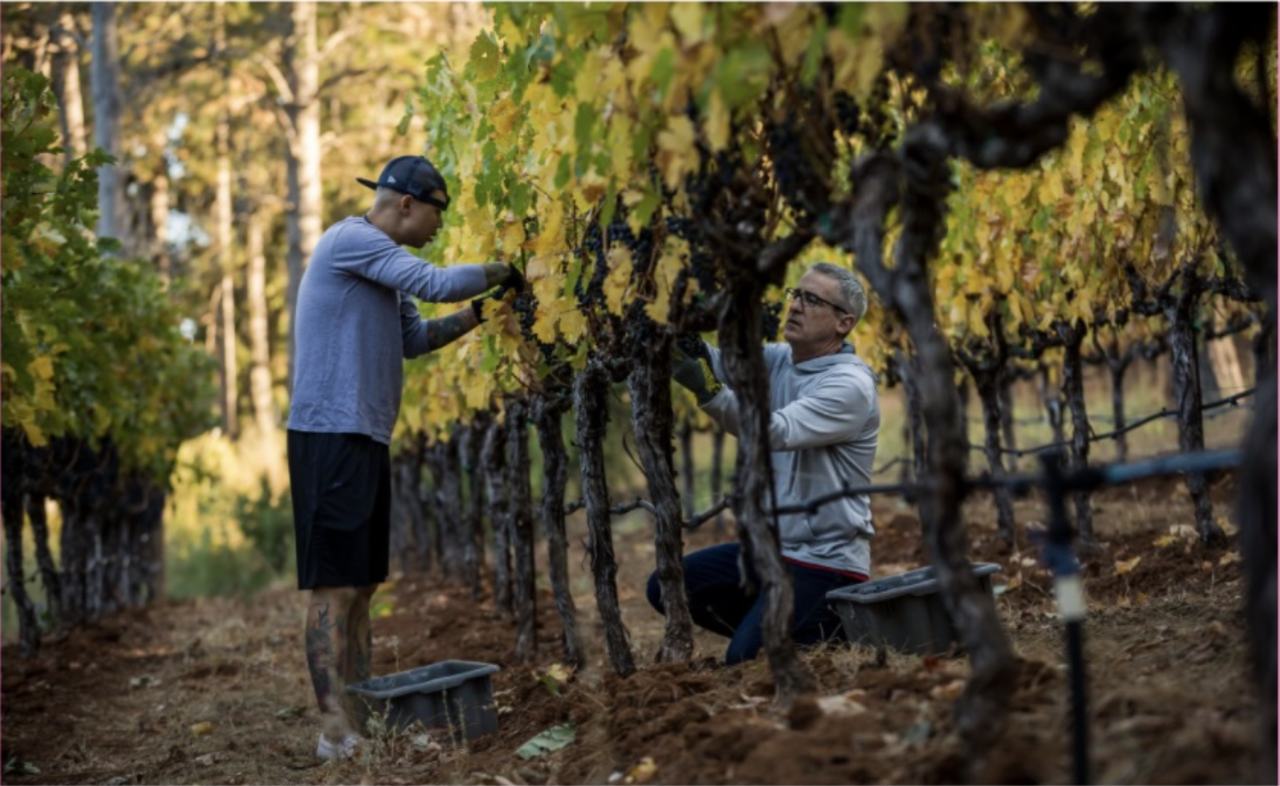
Red volcanic soil at 1,900 feet, near the top of Howell Mountain.
In 1998 Tom and Desiree Altemus bought ten and a half acres of brush and trees near the summit of Howell Mountain, on the east side of the Napa Valley. Their friend Rudy Zuidema, a winemaker, had found the parcel while scouting for vineyard land. They cleared it, fought through the permits, and in 2003 planted about six acres of Cabernet Sauvignon at 1,900 feet in a soil so red and rocky that it named the wine. The first vintage, fifty cases, was 2005. Zuidema made the wines for the Altemus family until Mike Dunn took over in 2022, and he still consults.
This is mountain Cabernet from above the fog: ponderosa pines around the rows, iron-red volcanic loam, small berries and a long cool season. The Davies family of Schramsberg thought enough of the fruit to bottle their own Red Cap Vineyard Cabernet. The Altemus wines have bright acidity and refined tannins, which is unusual for a mountain known for hard ones.
Napa Sauvignon Blanc is a category that tends to disappoint me, and the Red Cap is the exception I keep returning to. It is made with the understanding that the variety has its own character worth preserving: fresh, herbal and honest about where it grew, without the aggressive grapefruit of New Zealand or the waxiness of Bordeaux blanc. It is a wine for the first glass of the evening, made by people who take that moment seriously.
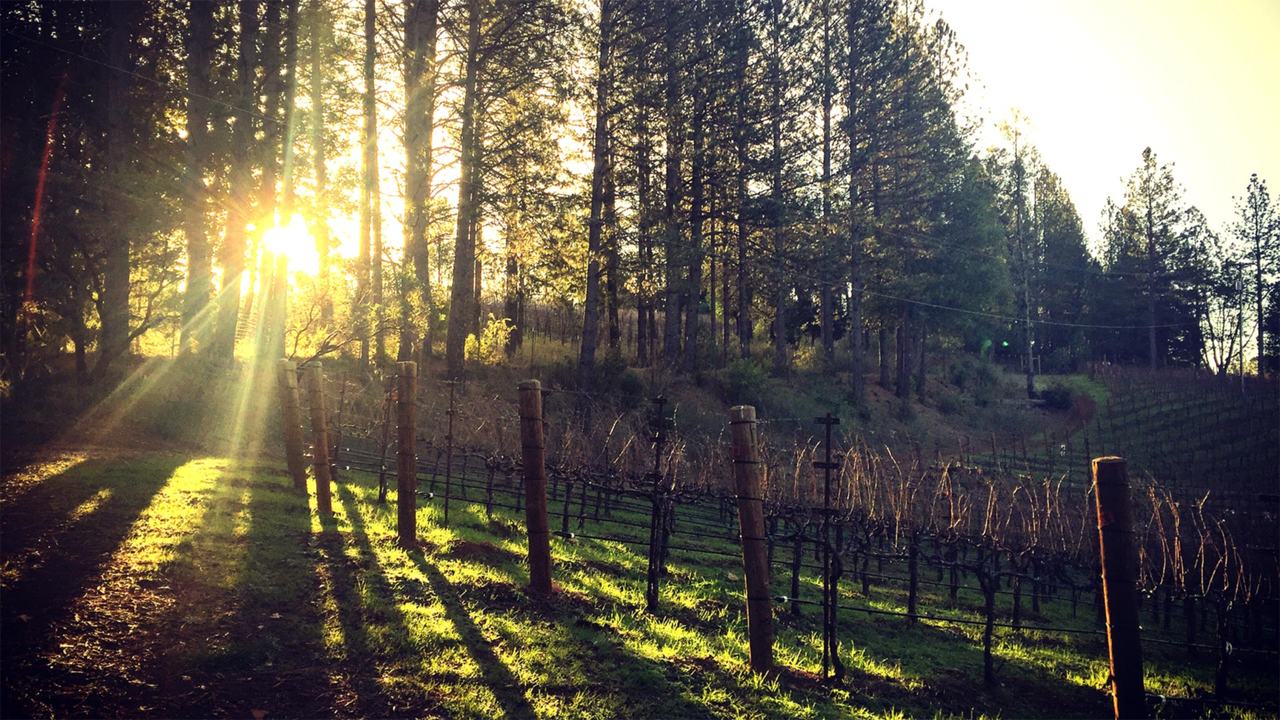
02 · Tom and DesireeAn IBM man who became a chef, then a mountain grower.
Tom Altemus came from Philadelphia and went to work for IBM after college. Business trips brought him to Napa and to good wine. In 1991 he became a chef, graduating with honours from the California Culinary Academy, and cooked alongside Michel Richard and Bradley Ogden before landing at Brava Terrace in St. Helena, cooking for the valley’s vintners. That is where he met Zuidema. He was thirty-three when he and Desiree bought the Howell Mountain land.
They planted the vineyard on Robert Craig’s advice and sold much of the fruit to other Napa wineries, the Davies family among them, keeping under a thousand cases a year for Red Cap. The swinging boy on the label, drawn by the scratchboard artist Roger Xavier, stands for their three children and, in the family’s words, “the spirit of wonder and fun that we all try to embody on a daily basis.” Tom paints too, and has won prizes for it. The vineyard, he told the Napa Wine Project, was his best job to date.
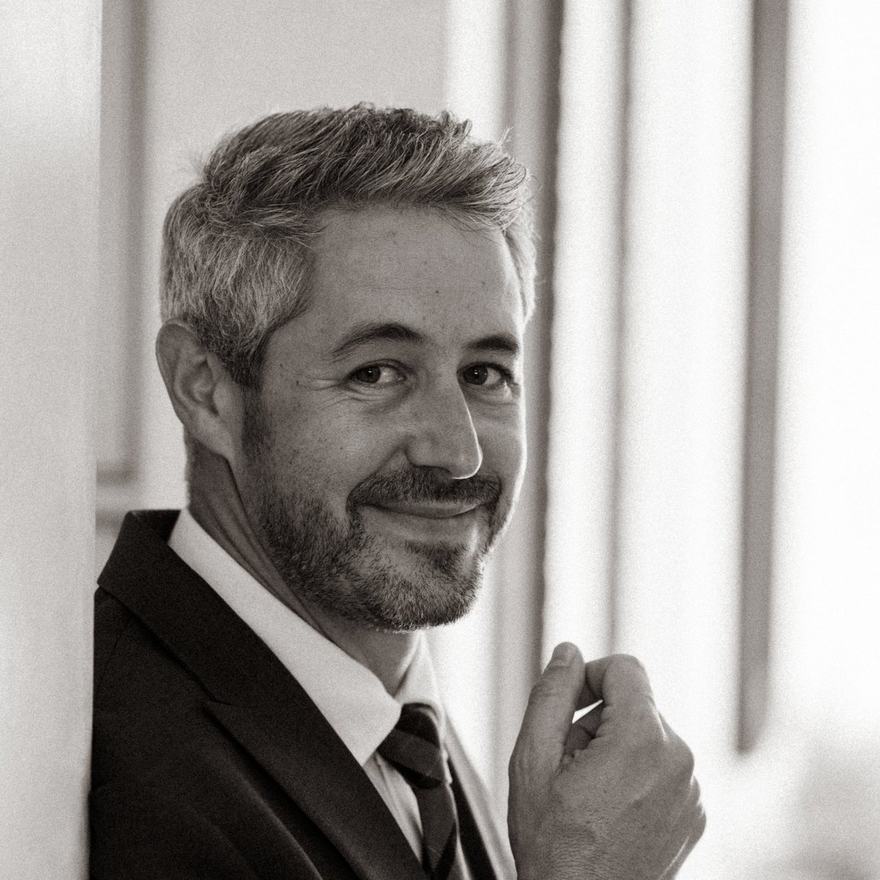
03 · The red capIron-red Aiken loam above the fog line.
The vineyard lies on a rolling plateau near the top of the mountain. The soil is Aiken loam, deep, red and peppered with fractured volcanic rock, its iron oxidised by long exposure; it is poor in nutrients, so Tom added a little organic matter by each vine every year. The Cabernet is clones 4, 7 and 169 on 101-14 rootstock, spaced five feet by seven, and yields about two tons an acre. The winery describes the grapes as organically grown and hand farmed; the Davies family’s notes say the Altemus family farmed it biodynamically.
Being above the fog line is what makes Howell Mountain different. When the valley floor is socked in, the mornings up here are sunny; the Davies notes add that the days are cooler and the nights warmer than below, which helps the grapes keep their acidity. Smaller berries give more skin to juice, deeper colour and firmer tannin. At harvest the Altemuses picked only what was ripe, sometimes a few rows at a time, so that harvest on six acres could stretch over a month. The berries were fermented whole, on their own yeasts, cool and slow, with punch-downs by hand.
This is hillside Napa Valley at its best.
The Napa Wine Project
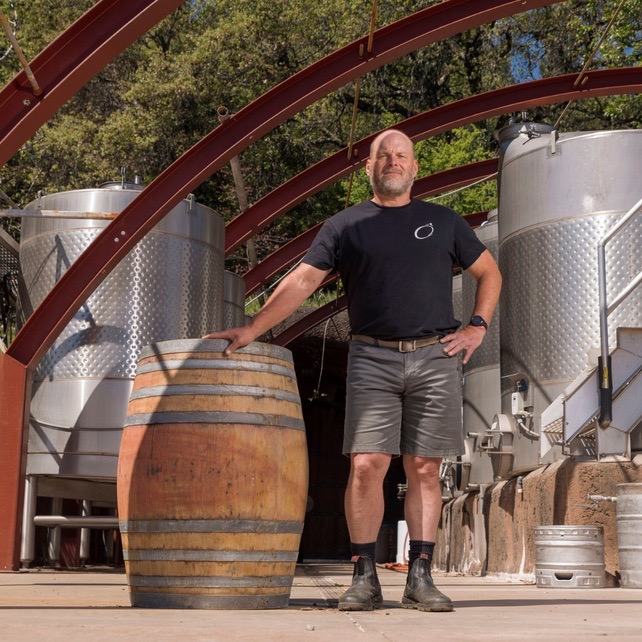
04 · The winesA mountain Cabernet and a Sauvignon Blanc for the table.
The 2019 Cabernet in our book is the estate wine in its classic form: all Cabernet Sauvignon, from mild October days that were sunny by day and cool at night, thirty-two months in French oak, seventy per cent new, 275 cases. It is a big wine, at fifteen per cent alcohol, with the balance to carry it. The Napa Wine Project found it “balanced, with plenty of depth and layers,” gravelly tannins and “plenty of life ahead of it.” Decant it now or give it ten years.
The Sauvignon Blanc is bought in, from the McGaw vineyard in Rutherford and the Alko Ranch in Pope Valley, on the eastern side of Howell Mountain, warm by day and cool morning and evening. It is fermented mostly in steel. Most vintages carry a little Sémillon (sixteen per cent in 2022, by the Napa Wine Project’s account), which, the winery says, “adds texture and quiet depth.” Since 2023 it has been called the Host. Pour it with oysters, goat cheese or nothing at all.
05 · Chris KleinA new owner who learned from the old winemaker.
Early in 2022 the vintner Chris Klein was having lunch with Zuidema, who told him Tom was retiring and selling the brand. Klein called him. Later that year, with an investor, he bought Red Cap and its stock of wine; the Altemus family kept the land. Klein was born in Napa and raised in St. Helena. His parents founded Allora Vineyards, where Zuidema was the winemaker and where Klein learned the trade, and he calls his own career a “Rudyism.”
His partner is Michael Nguyen, who met Tom in 2010 at a Howell Mountain tasting in San Francisco, offered to help, was handed a rake, and ended up building the brand’s following. He became a partner in 2024. The winery now names Mike Dunn as winemaker, whose family settled on Howell Mountain in 1978 and built Dunn Vineyards, with Zuidema as consultant.
In the vineyard
& cellar.
- Vineyard
- About 6 acres of Cabernet on a 10.5-acre property near the summit of Howell Mountain · 1,900 ft
- Soil
- Aiken loam: deep, red, volcanic, with fractured rock
- Planted
- 2003 · clones 4, 7 and 169 on 101-14 · 5 × 7 ft · about 2 tons an acre
- Since
- Bought by Tom and Desiree Altemus 1998 · first vintage 2005 · brand bought by Chris Klein 2022
- Winemaking
- Rudy Zuidema from the first vintage · today Mike Dunn, with Zuidema consulting (per the winery)
- Sauvignon Blanc
- McGaw vineyard (Rutherford) and Alko Ranch (Pope Valley) · mostly steel