
The Stone Library
What lies under the vines.
Every rock and soil under the wines we import: what it is, what it does for a vine, and which of our growers farm on it. Each has the hatching it carries on the maps and soil strips across the site.
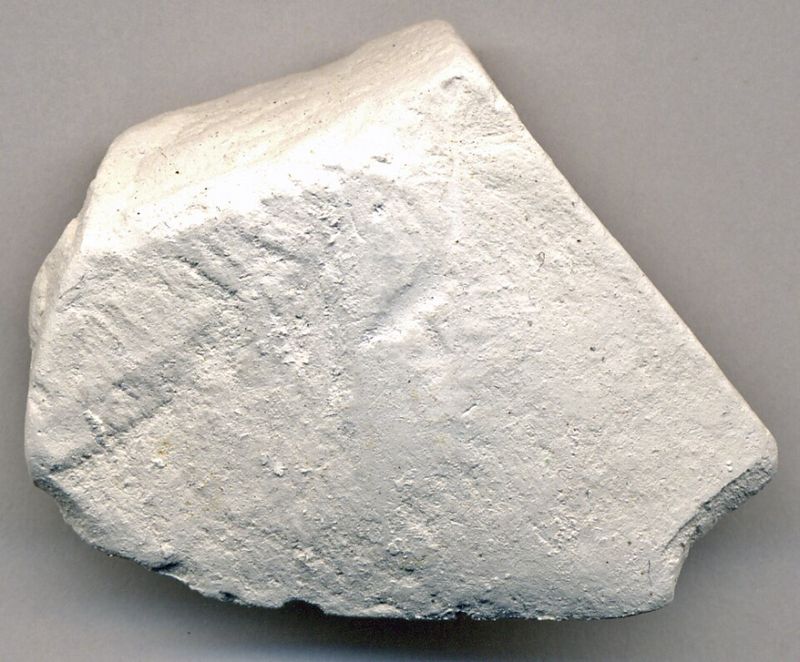
Chalk
Soft, white and porous: the remains of plankton laid down in a Cretaceous sea. Chalk soaks up winter rain and lets the roots drink it slowly through a dry summer, and it keeps the ground cool. Champagne growers credit it with the tension and the long, salty finish of their wines.
Grown on it · 5 of our producers- Camille SavèsChampagne · 4 wines
- Demière-AnsiotChampagne · 1 wine
- Huré FrèresChampagne · 10 wines
- José DhondtChampagne · 4 wines
- Domaine Christophe LepageBurgundy · 6 wines
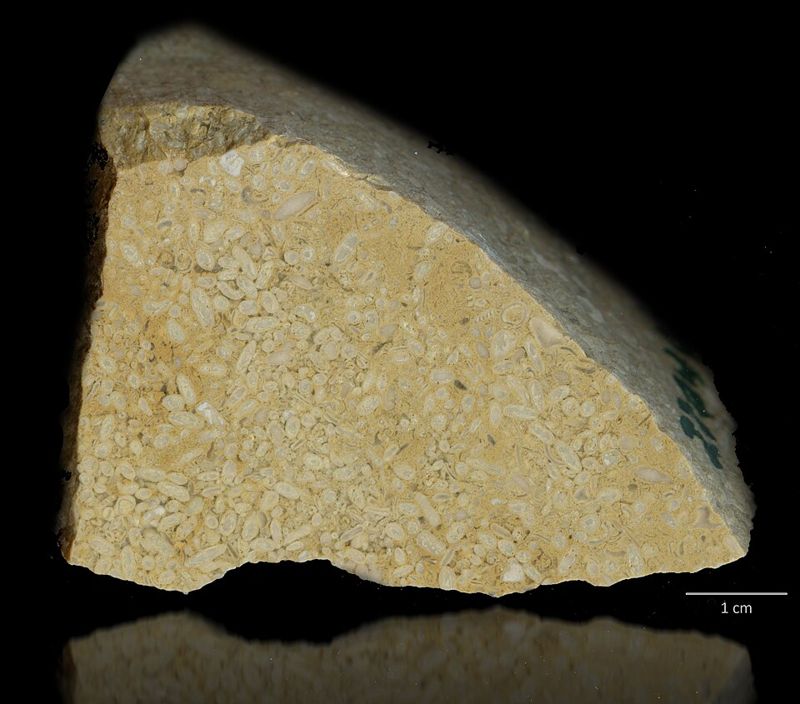
Limestone
Old seabed turned to stone: shells, sea-lilies and lime mud pressed hard. On thin soil the vines send their roots down into its cracks. It is the rock of the Côte d’Or, and wines grown on it tend to have a firm line of acidity and a fine, close texture.
Grown on it · 39 of our producers- Huré FrèresChampagne · 1 wine
- José DhondtChampagne · 1 wine
- Vazart-Coquart & FilsChampagne · 6 wines
- Bernard ZitoBurgundy · 1 wine
- Domaine Agnès & Didier DauvissatBurgundy · 5 wines
- Domaine Arnaud GermainBurgundy · 7 wines
- Domaine David MoreauBurgundy · 3 wines
- Domaine Denis BacheletBurgundy · 1 wine
- Domaine Digioia-RoyerBurgundy · 6 wines
- Domaine Eric BoigelotBurgundy · 2 wines
- Domaine Feuillat-JuillotBurgundy · 3 wines
- Domaine Guy BocardBurgundy · 3 wines
- Domaine Hubert LamyBurgundy · 2 wines
- Domaine Jean-Marc & Hugues PavelotBurgundy · 6 wines
- Domaine Jean-Yves DeveveyBurgundy · 2 wines
- Domaine Laurent PatailleBurgundy · 1 wine
- Domaine LuquetBurgundy · 2 wines
- Domaine Nicolas RossignolBurgundy · 6 wines
- Domaine Philippe GarreyBurgundy · 2 wines
- Domaine Philippe GavignetBurgundy · 5 wines
- Domaine Rossignol-TrapetBurgundy · 5 wines
- Domaine Stéphanie ColinotBurgundy · 2 wines
- Domaine Sylvain PatailleBurgundy · 11 wines
- Domaine Vincent BouzereauBurgundy · 1 wine
- Yannick CadiouBurgundy · 1 wine
- Château La BaronneFrance · 2 wines
- Château La Rose-PourretFrance · 1 wine
- Domaine Bott-GeylFrance · 4 wines
- Domaine Pierre FrickFrance · 4 wines
- Domaine Roc d'AngladeFrance · 9 wines
- Domaine des CarlinesFrance · 3 wines
- CentonzeItaly · 1 wine
- DievoleItaly · 1 wine
- M. MarengoItaly · 2 wines
- Podere BrizioItaly · 2 wines
- Alta Maria WineryUnited States · 1 wine
- Johan VineyardsUnited States · 1 wine
- RiiseUnited States · 3 wines
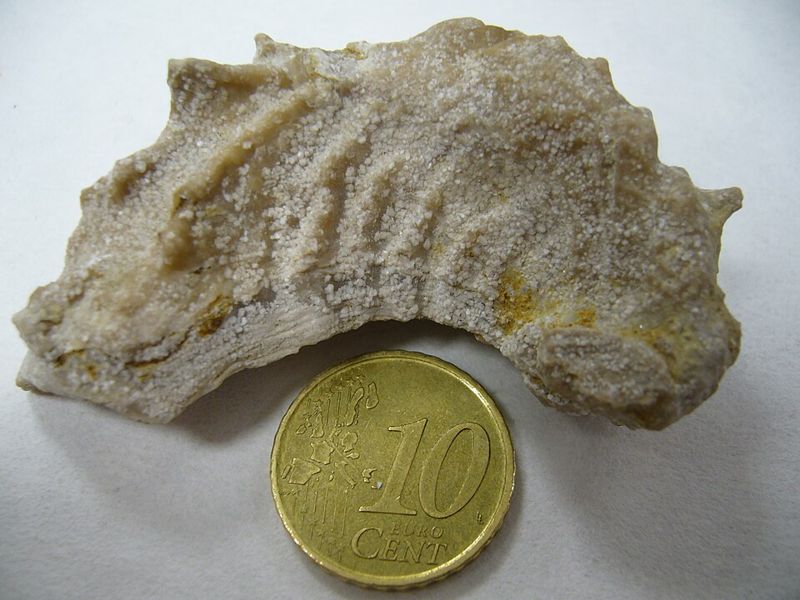
Kimmeridgian marl
Grey marl and limestone from the Late Jurassic, full of a small curled oyster, Exogyra virgula. It runs from Chablis through the Aube to Sancerre, where growers call it terres blanches. Chablis owes its oyster-shell reputation to it.
Grown on it · 4 of our producers- Domaine Agnès & Didier DauvissatBurgundy · 4 wines
- Domaine Stéphanie ColinotBurgundy · 2 wines
- Yannick CadiouBurgundy · 2 wines
- Vignoble DaunyFrance · 1 wine
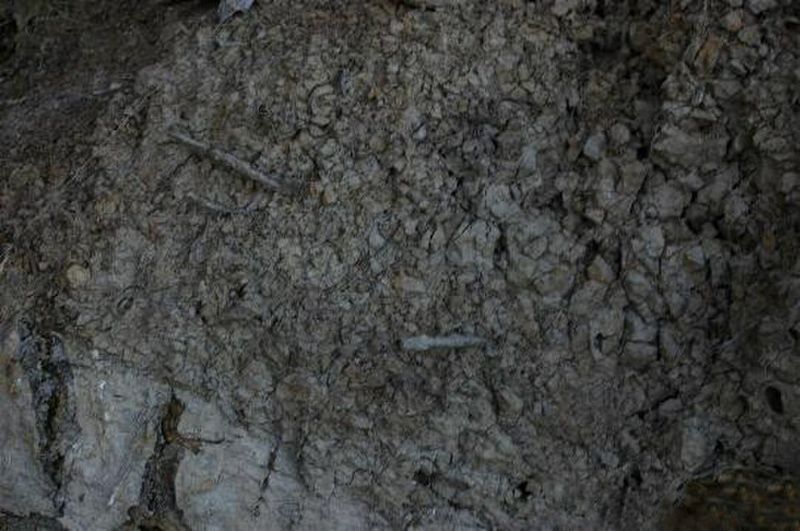
Clay-limestone and marl
The French say argilo-calcaire: clay and limestone together, from soft marl to stony clay. The clay holds water and gives a wine weight; the lime keeps it fresh. In the Côte d’Or the marls lie mid-slope under the hard limestone of the crest, and most of the grands crus sit where the two meet.
Grown on it · 39 of our producers- Champagne Richard CheurlinChampagne · 1 wine
- Champagne SalmonChampagne · 9 wines
- Bernard ZitoBurgundy · 1 wine
- Domaine Agnès & Didier DauvissatBurgundy · 4 wines
- Domaine André Moingeon et FilsBurgundy · 5 wines
- Domaine Arnaud GermainBurgundy · 8 wines
- Domaine David MoreauBurgundy · 6 wines
- Domaine Denis BacheletBurgundy · 1 wine
- Domaine Digioia-RoyerBurgundy · 6 wines
- Domaine Eric BoigelotBurgundy · 4 wines
- Domaine Feuillat-JuillotBurgundy · 2 wines
- Domaine Guy BocardBurgundy · 9 wines
- Domaine Hubert LamyBurgundy · 2 wines
- Domaine Jean-Marc & Hugues PavelotBurgundy · 15 wines
- Domaine Jean-Marc & Thomas BouleyBurgundy · 9 wines
- Domaine Jean-Yves DeveveyBurgundy · 3 wines
- Domaine Laurent PatailleBurgundy · 3 wines
- Domaine LuquetBurgundy · 3 wines
- Domaine Nicolas RossignolBurgundy · 13 wines
- Domaine Philippe GarreyBurgundy · 4 wines
- Domaine Philippe GavignetBurgundy · 9 wines
- Domaine Stéphanie ColinotBurgundy · 2 wines
- Domaine Sylvain PatailleBurgundy · 17 wines
- Domaine Vincent BouzereauBurgundy · 16 wines
- Maison Pierre BrissetBurgundy · 12 wines
- Château de GourgazaudFrance · 1 wine
- Clos de CaveauFrance · 5 wines
- Domaine Bott-GeylFrance · 5 wines
- Domaine Pierre FrickFrance · 3 wines
- Domaine Roc d'AngladeFrance · 9 wines
- Domaine des CarlinesFrance · 8 wines
- Domaine des MaravilhasFrance · 4 wines
- CentonzeItaly · 1 wine
- DievoleItaly · 2 wines
- MalabailaItaly · 5 wines
- Podere BrizioItaly · 2 wines
- Renato CorinoItaly · 3 wines
- Vigne SanniteItaly · 3 wines
- RiiseUnited States · 1 wine
Marine sands and shells
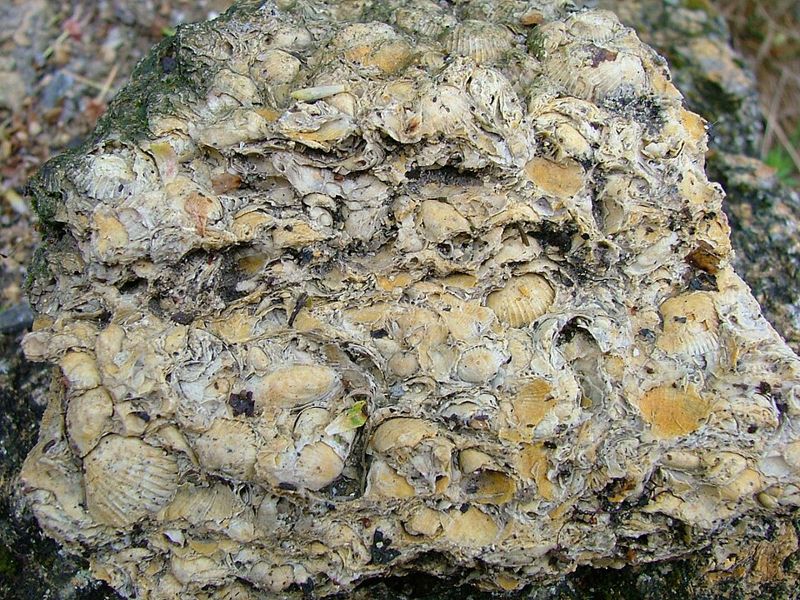
Sand and limestone full of fossil shells, left where a sea once stood: the oyster limestone of Marsannay, the old sea floor under the Sonoma Coast, the marine sands of the Roero. Light and free-draining; growers often speak of a salty edge.
Grown on it · 10 of our producers- Domaine Agnès & Didier DauvissatBurgundy · 5 wines
- Domaine Sylvain PatailleBurgundy · 1 wine
- MalabailaItaly · 5 wines
- Tenute SellaItaly · 2 wines
- DANA EstatesUnited States · 1 wine
- FlanaganUnited States · 1 wine
- Johan VineyardsUnited States · 2 wines
- Keller EstateUnited States · 4 wines
- Press PauseUnited States · 1 wine
- WayfarerUnited States · 8 wines
Clay
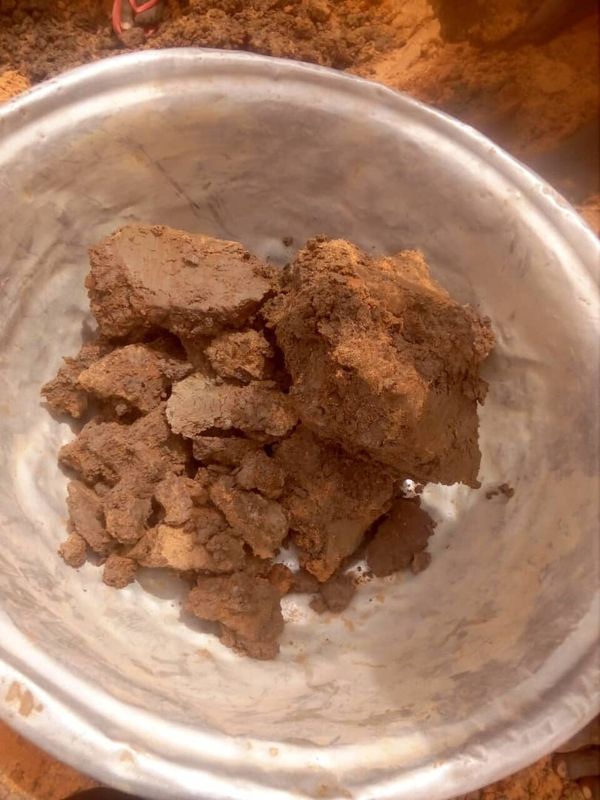
Fine, heavy and cool. Clay holds water through a drought and gives a wine body; on its own it can make one broad. Under nearly every Burgundy we pour it comes mixed with limestone.
Grown on it · 35 of our producers- Huré FrèresChampagne · 11 wines
- Domaine Agnès & Didier DauvissatBurgundy · 1 wine
- Domaine Christophe LepageBurgundy · 6 wines
- Domaine Eric BoigelotBurgundy · 1 wine
- Domaine Feuillat-JuillotBurgundy · 1 wine
- Domaine Guy BocardBurgundy · 3 wines
- Domaine Jean-Marc & Hugues PavelotBurgundy · 2 wines
- Domaine Laurent PatailleBurgundy · 1 wine
- Domaine Nicolas RossignolBurgundy · 5 wines
- Domaine Philippe GarreyBurgundy · 2 wines
- Domaine Philippe GavignetBurgundy · 1 wine
- Domaine Rossignol-TrapetBurgundy · 4 wines
- Domaine Sylvain PatailleBurgundy · 3 wines
- Château La BaronneFrance · 2 wines
- Château La Rose-PourretFrance · 1 wine
- Domaine Bott-GeylFrance · 1 wine
- Domaine DurieuFrance · 2 wines
- Domaine Pierre FrickFrance · 1 wine
- Domaine Roc d'AngladeFrance · 9 wines
- Domaine des CarlinesFrance · 3 wines
- Vignoble DaunyFrance · 4 wines
- Fratelli Negri ViticoltoriItaly · 2 wines
- M. MarengoItaly · 3 wines
- PutzenhofItaly · 1 wine
- Renato CorinoItaly · 2 wines
- Vigneti di EttoreItaly · 1 wine
- DANA EstatesUnited States · 2 wines
- FlanaganUnited States · 2 wines
- GrassiUnited States · 3 wines
- Hourglass EstateUnited States · 1 wine
- Keller EstateUnited States · 4 wines
- PerlissUnited States · 1 wine
- PurlieuUnited States · 1 wine
- ReclineUnited States · 1 wine
- RiiseUnited States · 2 wines
Iron-rich red clay
Clay stained red by iron. It gives the deep red earth of parts of Pommard and Savigny, and growers link it to darker fruit and firmer tannin.
Grown on it · 9 of our producers- Domaine Eric BoigelotBurgundy · 1 wine
- Domaine Rossignol-TrapetBurgundy · 1 wine
- Domaine Sylvain PatailleBurgundy · 1 wine
- Domaine Vincent BouzereauBurgundy · 1 wine
- Domaine de la Ville RougeFrance · 1 wine
- Masserie PizariItaly · 1 wine
- Tenute SellaItaly · 1 wine
- DANA EstatesUnited States · 1 wine
- Selah EstateUnited States · 1 wine
Flint (silex)
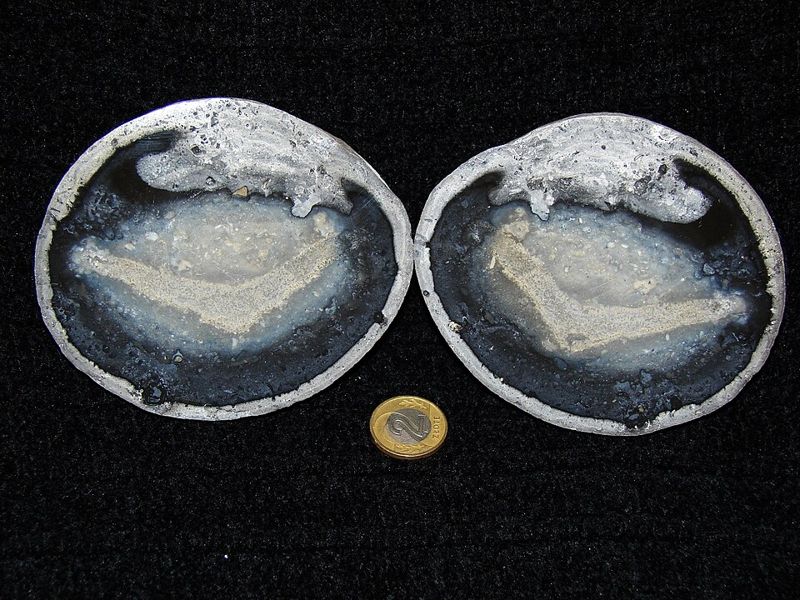
Hard, glassy nodules of silica that formed inside chalk and clay, common round Sancerre and in the Yonne. The gunflint smell people find in those wines probably owes more to the cellar than to the stone, but the name has stuck.
Grown on it · 3 of our producers- Domaine Christophe LepageBurgundy · 6 wines
- Domaine David MoreauBurgundy · 1 wine
- Vignoble DaunyFrance · 4 wines
Sand
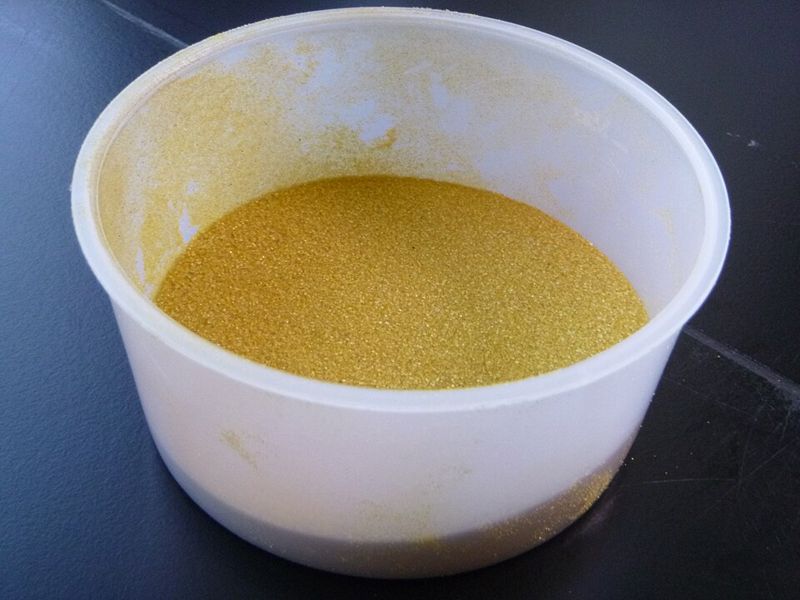
Loose and fast-draining: the vine has to work for water, and phylloxera cannot live in it. Wines from sand tend to be light on their feet, more perfume than tannin.
Grown on it · 23 of our producers- Huré FrèresChampagne · 1 wine
- Domaine David MoreauBurgundy · 1 wine
- Domaine Gérard MugneretBurgundy · 2 wines
- Domaine Jean-Marc & Hugues PavelotBurgundy · 3 wines
- Domaine Philippe GarreyBurgundy · 1 wine
- Domaine Philippe GavignetBurgundy · 1 wine
- Maison Pierre BrissetBurgundy · 1 wine
- Château La Rose-PourretFrance · 1 wine
- Château de GourgazaudFrance · 1 wine
- Château de la Font du LoupFrance · 8 wines
- Domaine DurieuFrance · 1 wine
- CentonzeItaly · 1 wine
- DievoleItaly · 1 wine
- MalabailaItaly · 5 wines
- Podere BrizioItaly · 2 wines
- PutzenhofItaly · 4 wines
- Renato CorinoItaly · 2 wines
- StatellaItaly · 1 wine
- Tenute SellaItaly · 2 wines
- Alta Maria WineryUnited States · 1 wine
- DANA EstatesUnited States · 1 wine
- GrassiUnited States · 3 wines
- Press PauseUnited States · 1 wine
Goldridge sand
A fine sandy loam formed on an uplifted sea floor, west of Sebastopol and along the Sonoma Coast. It drains fast and holds little, so the vines stay small. Much of the Sonoma Pinot Noir and Chardonnay in the book grows on it.
Grown on it · 9 of our producers- FlanaganUnited States · 1 wine
- Le PichUnited States · 1 wine
- Press PauseUnited States · 3 wines
- PurlieuUnited States · 1 wine
- Selah EstateUnited States · 1 wine
- Senses WinesUnited States · 4 wines
- Small VinesUnited States · 4 wines
- SphaericsUnited States · 1 wine
- WayfarerUnited States · 8 wines
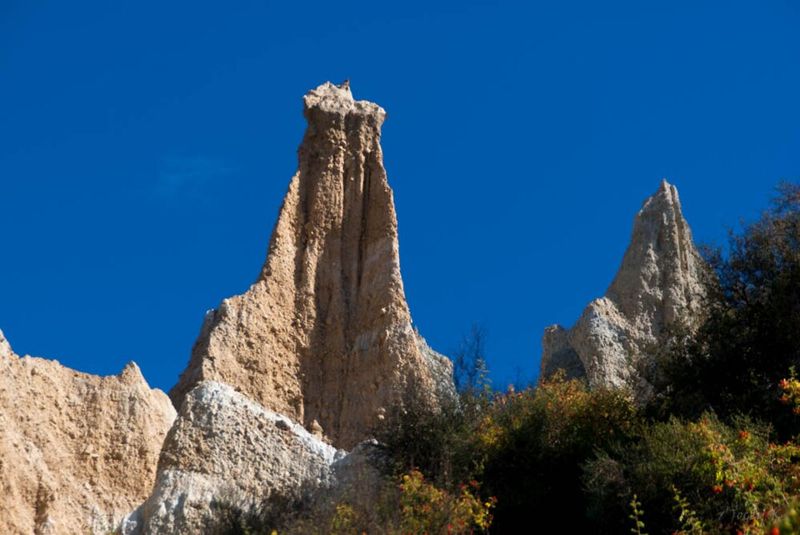
Gravel and alluvium
Stones and sand carried down by rivers and dropped on the flats and fans below the hills. Warm, well drained, easy to root through. The Napa valley floor is built of it, and so is the foot of the Côte.
Grown on it · 32 of our producers- Camille SavèsChampagne · 4 wines
- Domaine André Moingeon et FilsBurgundy · 1 wine
- Domaine David MoreauBurgundy · 2 wines
- Domaine Eric BoigelotBurgundy · 1 wine
- Domaine Jean-Marc & Hugues PavelotBurgundy · 1 wine
- Domaine Le Guellec-DucouetBurgundy · 2 wines
- Domaine Nicolas RossignolBurgundy · 1 wine
- Domaine Rossignol-TrapetBurgundy · 2 wines
- Domaine Sylvain PatailleBurgundy · 8 wines
- Domaine Vincent BouzereauBurgundy · 1 wine
- Château La BaronneFrance · 2 wines
- Vigneti di EttoreItaly · 1 wine
- Alta Maria WineryUnited States · 2 wines
- Barbour WineryUnited States · 1 wine
- Bella Oaks EstateUnited States · 2 wines
- Brandon Gregory EstateUnited States · 4 wines
- Brilliant MistakeUnited States · 2 wines
- CowhornUnited States · 3 wines
- DANA EstatesUnited States · 3 wines
- FlanaganUnited States · 2 wines
- GrassiUnited States · 1 wine
- Hourglass EstateUnited States · 3 wines
- HunnicuttUnited States · 2 wines
- La Pelle WinesUnited States · 1 wine
- Le PichUnited States · 1 wine
- PurlieuUnited States · 2 wines
- ReclineUnited States · 1 wine
- Red Cap VineyardsUnited States · 1 wine
- Robert Foley WinesUnited States · 1 wine
- SignorelloUnited States · 1 wine
- Small VinesUnited States · 2 wines
- SphaericsUnited States · 1 wine
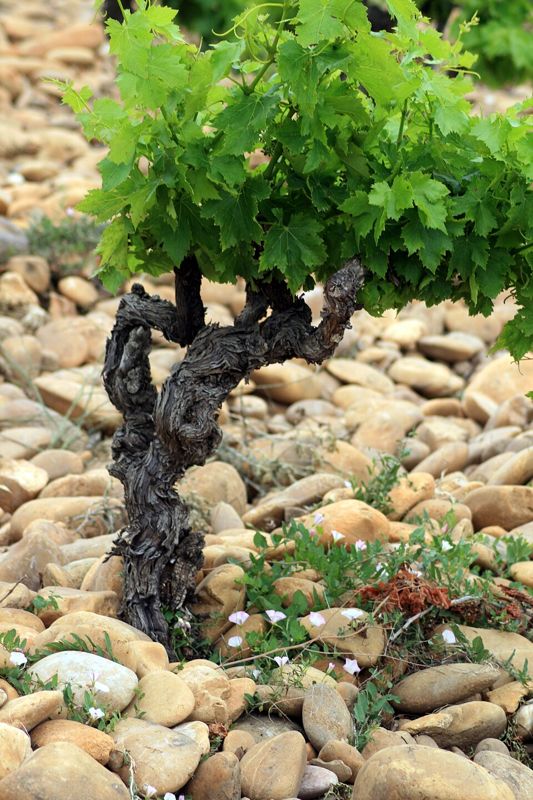
Round river stones (galets)
Stones rounded by rivers. At Châteauneuf-du-Pape they are the galets roulés, quartzite cobbles the old Rhône spread over the plateau; they are said to store the day’s heat and give it back at night. In California, river cobble runs through the benches and terraces.
Grown on it · 6 of our producers- Château de la Font du LoupFrance · 8 wines
- Domaine DurieuFrance · 2 wines
- Domaine des MaravilhasFrance · 4 wines
- Alta Maria WineryUnited States · 1 wine
- DANA EstatesUnited States · 1 wine
- Rancho Ontiveros / Native 9United States · 3 wines
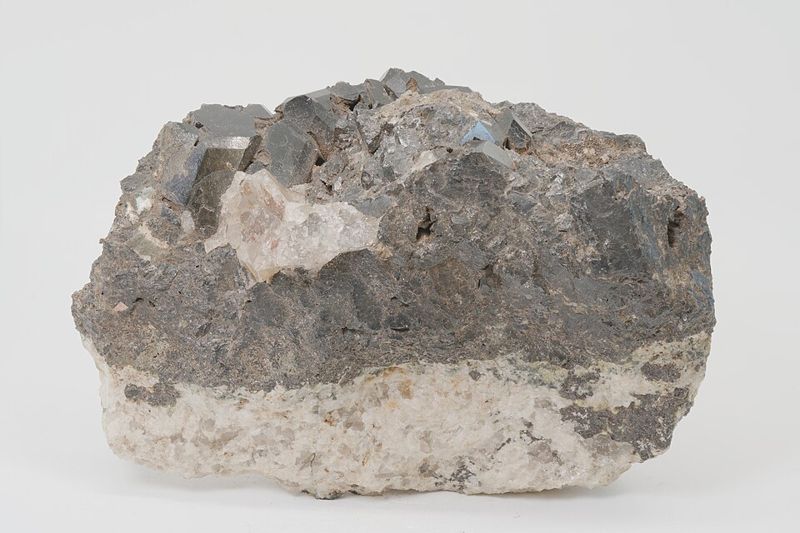
Granite
Crystalline rock that weathers to a coarse, acid sand. Poor and quick to drain. The Beaujolais crus grow on it, and so does southern Oregon.
Grown on it · 3 of our producers- Domaine Nicolas RossignolBurgundy · 3 wines
- CowhornUnited States · 3 wines
- Johan VineyardsUnited States · 1 wine · granite carried in by glaciers, in sedimentary soil
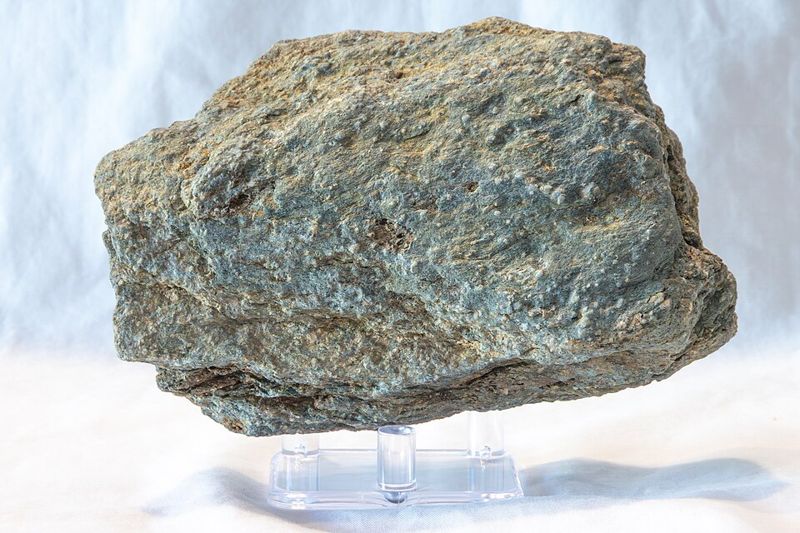
Schist
Rock squeezed until it splits into thin sheets; the roots work down between the layers. It is the ground of Faugères in the Languedoc, and turns up in the Beaujolais and in the hills of Alto Piemonte.
Grown on it · 3 of our producers- Domaine Nicolas RossignolBurgundy · 3 wines
- Domaine Frédéric BroucaFrance · 6 wines
- Fratelli Negri ViticoltoriItaly · 2 wines
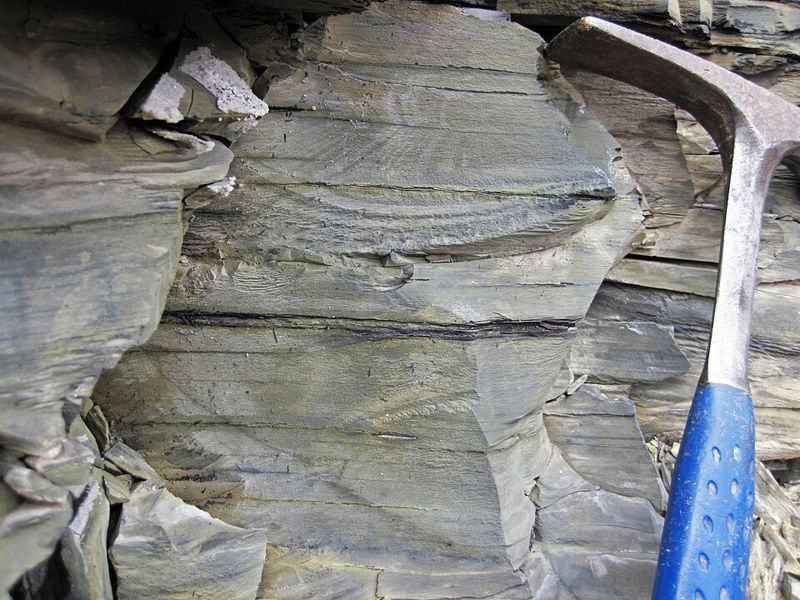
Shale and sandstone
Hardened mud and sand in thin beds: the Franciscan rock of the California coast, the galestro of Chianti, the sandstone of the Languedoc.
Grown on it · 12 of our producers- Château La BaronneFrance · 2 wines
- Château de GourgazaudFrance · 1 wine
- Domaine Bott-GeylFrance · 3 wines
- Domaine Pierre FrickFrance · 1 wine
- DievoleItaly · 2 wines
- Vigne SanniteItaly · 3 wines
- Alta Maria WineryUnited States · 1 wine
- Bacio Divino / JanzenUnited States · 1 wine
- PerlissUnited States · 1 wine
- RiiseUnited States · 2 wines
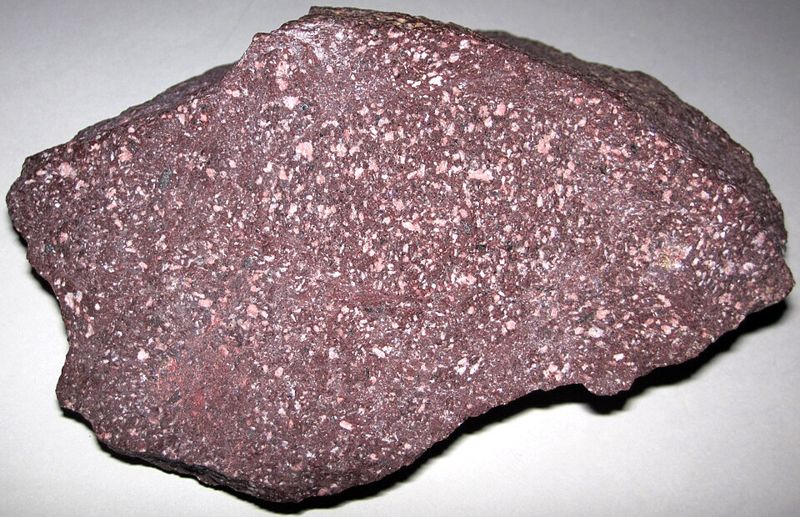
Porphyry
Old volcanic rock with crystals set in a fine, reddish ground. It lies under the vineyards south of Bolzano and, in Alto Piemonte, under Bramaterra and the hills round Sizzano.
Grown on it · 3 of our producers- Fratelli Negri ViticoltoriItaly · 2 wines
- PutzenhofItaly · 5 wines
- Tenute SellaItaly · 2 wines
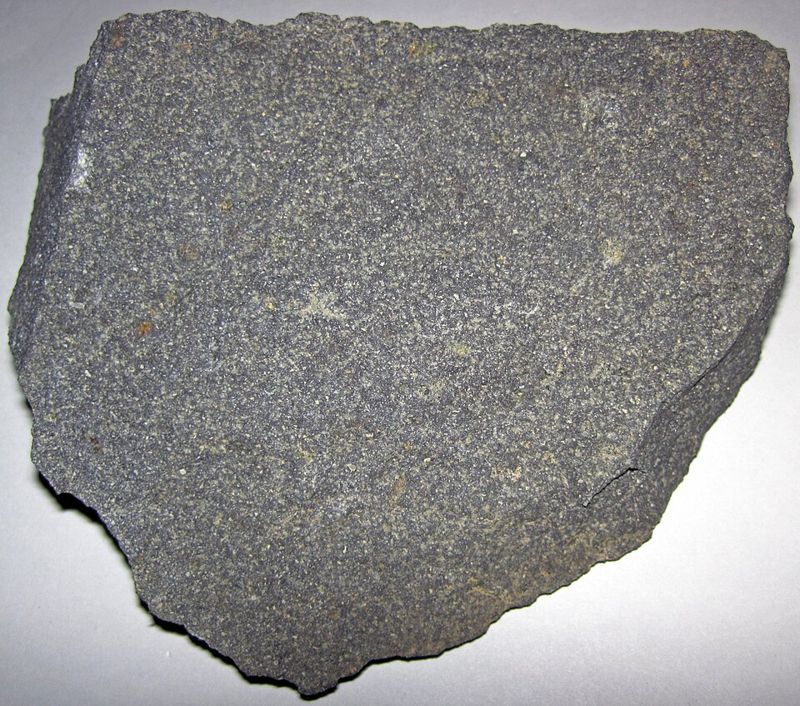
Volcanic rock and ash
Ash, tuff and lava broken down to soil: light, porous and often thin. In the book it runs from the mountain vineyards of Napa and Sonoma to Campania.
Grown on it · 26 of our producers- StatellaItaly · 2 wines
- Tenuta MeravigliaItaly · 2 wines
- Tenute SellaItaly · 3 wines
- Vigne SanniteItaly · 3 wines
- Vigneti di EttoreItaly · 1 wine
- Bacio Divino / JanzenUnited States · 1 wine
- Bella Oaks EstateUnited States · 2 wines
- Brandon Gregory EstateUnited States · 4 wines
- Brilliant MistakeUnited States · 1 wine
- CowhornUnited States · 3 wines
- DANA EstatesUnited States · 3 wines
- FlanaganUnited States · 4 wines
- GrassiUnited States · 1 wine
- HunnicuttUnited States · 1 wine
- Le PichUnited States · 1 wine
- Model Farm WinesUnited States · 1 wine
- PerlissUnited States · 1 wine
- PurlieuUnited States · 2 wines
- Rapp RanchUnited States · 3 wines
- ReclineUnited States · 1 wine
- Red Cap VineyardsUnited States · 2 wines
- Selah EstateUnited States · 1 wine
- SignorelloUnited States · 2 wines
- SphaericsUnited States · 1 wine
- WayfarerUnited States · 2 wines
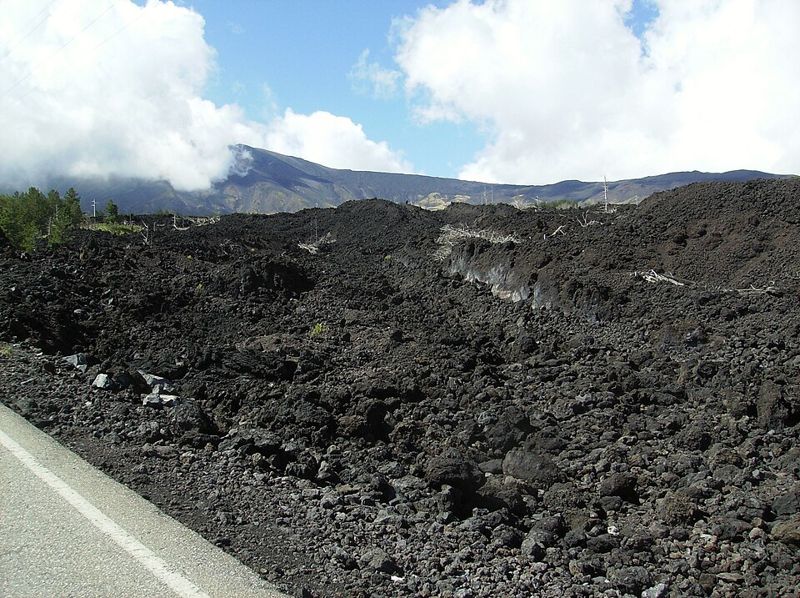
Etna lava
Fresh lava, black and broken, takes centuries to become soil. On Etna’s north face the vines grow on flows of different ages, and the growers name their contrade by them.
Grown on it · 1 producer- StatellaItaly · 2 wines
Taken from the domaines’ own descriptions of each wine’s ground; a producer appears under every soil named for at least one of their wines. Photographs are of the rock type, not of the vineyards. Back to Terroir →